

The Art of Cooking Pork Chops: Exploring Popular Culinary Guides
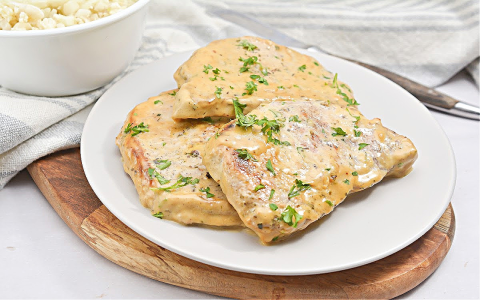
Pork chops have long been a favorite on dinner tables, prized for their balanced flavor and satisfying texture. As cooking shows and online recipe platforms have grown, the approach to preparing pork chops has become more creative and refined. This article explores widely shared pork chop preparations, highlighting the techniques that turn a simple cut into a memorable meal.
Why Trusted Recipe Sources Matter

Reliable cooking platforms have become essential for home chefs everywhere. Their extensive collections of pork chop ideas encourage creativity, inviting cooks to try new seasonings, methods, and pairings without fear of failure. These guides do more than list steps; they build confidence and spark curiosity in kitchens around the globe.
Signature Techniques for Juicy, Flavorful Chops
Several methods consistently appear in top-rated recipes because they deliver dependable results:
1. Brining
A quick soak in salted water keeps the meat moist and seasons it from the inside out. Even a short brine can mean the difference between dry and succulent chops.
2. Searing
A hot pan develops a golden crust that seals in natural juices. Once the exterior is caramelized, the chops can finish at gentler heat for perfect doneness.
3. Marinating
Olive oil, citrus, garlic, and fresh herbs work together to deepen flavor. A brief marinade tenderizes slightly while adding aromatic notes that shine through after cooking.
How Good Recipes Change the Way We Cook
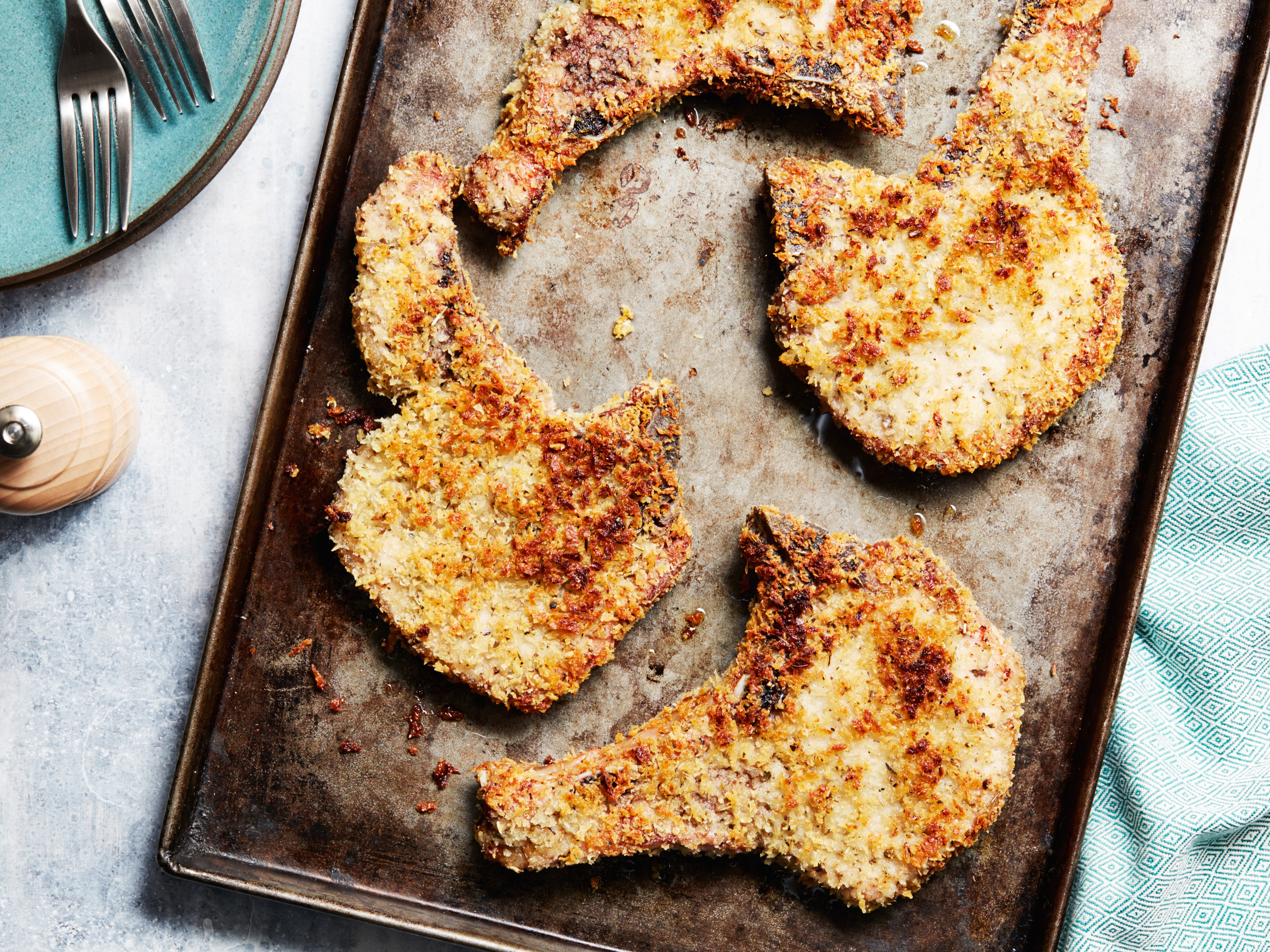
Clear, well-tested instructions ripple far beyond a single meal. They shape shopping habits, spark dinner-party conversations, and inspire further experimentation. Three noticeable effects stand out:
1. Greater Appetite for Pork Chops
When people see how versatile this cut can be, they reach for it more often, expanding week-night repertoires with confidence.
2. Skill Building
Step-by-step photos and videos teach knife skills, temperature control, and timing, turning curious viewers into competent cooks.
3. Kitchen Creativity
Once basic techniques feel familiar, home chefs invent their own rubs, glazes, and sides, pushing flavors in personal directions.
The Simple Science Behind Tender Chops
Understanding a few food-science basics helps anyone repeat success:
1. Muscle Fibers & Marbling

Thin streaks of fat melt during cooking, naturally basting the meat. Gentle handling and brief brining relax proteins for a softer bite.
2. Target Temperature
Pulling chops from heat a few degrees below the ideal final temperature prevents overcooking, as residual warmth finishes the job while they rest.
3. Resting Time
A short pause before slicing allows juices to redistribute, so each mouthful stays moist instead of flooding the cutting board.
Conclusion
Well-crafted pork chop tutorials have transformed an everyday ingredient into a canvas for flavor. By combining time-tested methods with clear explanation, they empower anyone to serve restaurant-quality meals at home. As culinary curiosity keeps growing, these shared recipes will continue to guide and inspire new generations of home cooks.
Tips for Continued Improvement
Ready to refine your approach? Consider these ideas:
1. Vary brine flavors with aromatics such as bay leaf, peppercorn, or apple slices to discover subtle new profiles.
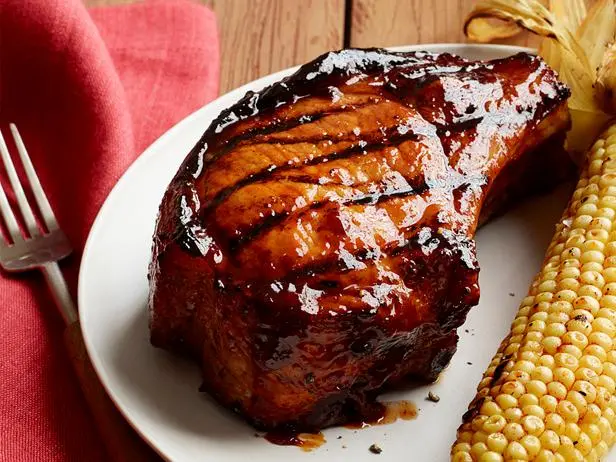
2. Rotate cooking styles—grill outdoors for smoky notes, oven-roast for even heat, or pan-sear for a quick crust—until you find the texture you love.
3. Keep a simple kitchen journal: record brine times, temperatures, and personal tweaks so each batch becomes better than the last.
Areas worth exploring next:
1. How different finishing sauces (mustard-herb, cherry-port, or miso-ginger) interact with varying chop thicknesses.
2. Incorporating seasonal produce into sides and marinades for fresher, more sustainable plates.
3. Using gentle, precise tools like probe thermometers or cast-iron griddles to achieve consistent edge-to-edge doneness every time.
In the end, great pork chop guidance does more than fill the table; it builds lasting kitchen confidence. By mastering a handful of core techniques and staying open to small experiments, any cook can turn an inexpensive cut into the star of the meal, night after night.


