


Title: How Media-Driven Restaurants Are Reshaping Modern Dining
Introduction:
Cooking-focused television channels have turned chefs into global personalities, and the restaurants they open often become pilgrimage sites for food lovers. These media-linked eateries now help set the pace for new flavors, techniques, and service styles. This piece looks at how such establishments steer culinary fashion, encourage experimentation, and change what guests expect when they dine out.
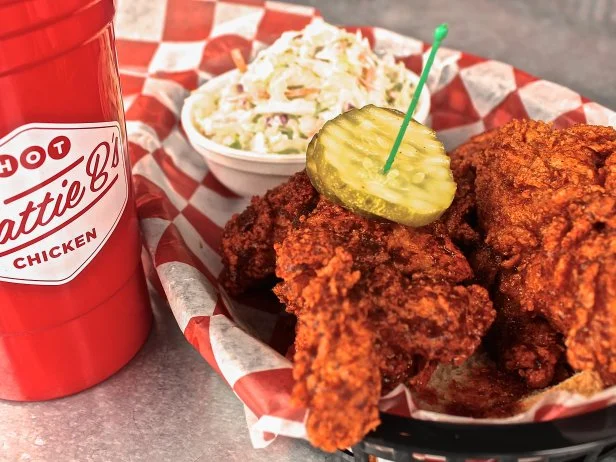
The Rise of Media-Linked Restaurants
As on-screen cooking contests and travel-and-taste shows attracted large audiences, viewers began seeking real-life versions of the dishes they saw on screen. Restaurants connected to famous chefs quickly filled that gap, offering menus that mirror the creativity showcased weekly on television. Strong brand recognition, combined with chefs’ proven skills, turned these spots into must-visit destinations in many cities.
Influence on Culinary Trends
Screen-famous cooks often introduce unfamiliar spices, playful plating, or cross-cultural pairings that later appear on neighborhood bistro menus. Their experiments encourage professionals everywhere to rethink classics and to welcome global influences. Techniques once limited to high-end labs—such as edible foams or rapid infusions—have trickled down to casual kitchens after being demonstrated on popular series.
Television has also accelerated interest in plant-forward dishes, nose-to-tail cooking, and fermented flavors by giving chefs a platform to explain the ideas behind them. When viewers see a dish prepared step-by-step and hear the story of its ingredients, they are more likely to order it when it appears on a local menu.
Innovation and Technological Integration
Many celebrity-chef restaurants treat the dining room as a test kitchen. Precision ovens, smoke guns, and software-guided inventory systems help teams deliver consistent quality while lowering waste. Some venues invite guests to watch through open labs or glass walls, turning preparation into part of the entertainment.
Streaming specials that document these behind-the-scenes upgrades inspire smaller operators to adopt similar tools, speeding up industry-wide adoption of energy-saving equipment and digital ordering platforms.
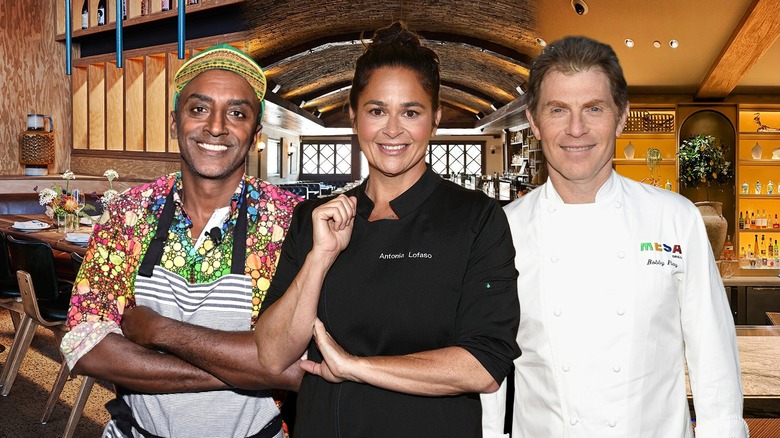
The Role of Celebrity Chefs
Well-known chefs act as mentors, employers, and trend amplifiers. Their cookbooks, guest appearances, and social media posts create a feedback loop: fans try the recipes at home, then visit the restaurant for the “authentic” experience, while young cooks line up for staging positions that could launch their own careers. By speaking out on topics such as sustainable seafood or fair labor practices, these personalities also steer consumer awareness beyond the plate.
The Dining Experience
From playlist to lighting, every detail in a media-tied restaurant is curated to match the chef’s on-screen persona. Servers trained to tell the story of a dish deepen the sense of connection, while seasonal tasting menus keep repeat visitors curious. The result is an experience that feels personal yet shareable—perfect for the photo-driven culture of today’s diners.
Conclusion
Restaurants born from popular cooking shows have become engines of creativity, education, and economic activity. They translate televised artistry into real-world meals, influence supply chains, and shape guest expectations worldwide. As technology and viewer habits evolve, these establishments will likely keep experimenting, ensuring the wider culinary scene remains dynamic and forward-looking.
Continued observation will reveal how lasting this impact proves and how emerging tools—from virtual reality menus to AI-assisted flavor mapping—might further transform the act of eating out.


