


Exploring Global Flavors: A Journey Through Culinary Traditions
Introduction
Cooking is one of humanity’s oldest arts, shaped over centuries by geography, climate, and shared stories. Every region has developed its own way of turning local produce into meals that comfort, celebrate, and connect. This brief tour highlights some of the world’s best-loved culinary styles, their signature tastes, and the cultural meaning they carry.

Mediterranean Fare
Characteristics
Sun-drenched produce, fragrant herbs, and generous pours of olive oil define Mediterranean cooking. Dishes rely on seasonal vegetables, legumes, grains, and a gentle hand with spices such as oregano, thyme, and garlic.
Popular Dishes
Think of layered baked casseroles, al dente pasta tossed with garden tomatoes, or saffron-scented rice studded with seafood. These meals balance color, texture, and nutrition on a single plate.
Cultural Significance
The traditional eating pattern of the region is praised for its heart-friendly profile and emphasis on shared, leisurely meals that strengthen family bonds.
Asian Kitchens
Characteristics
From bustling night markets to quiet tea houses, Asian cuisines share a love for contrast: sweet against sour, mild against fiery, soft against crisp. Soy, ginger, lemongrass, and coconut milk appear in countless variations.
Popular Dishes
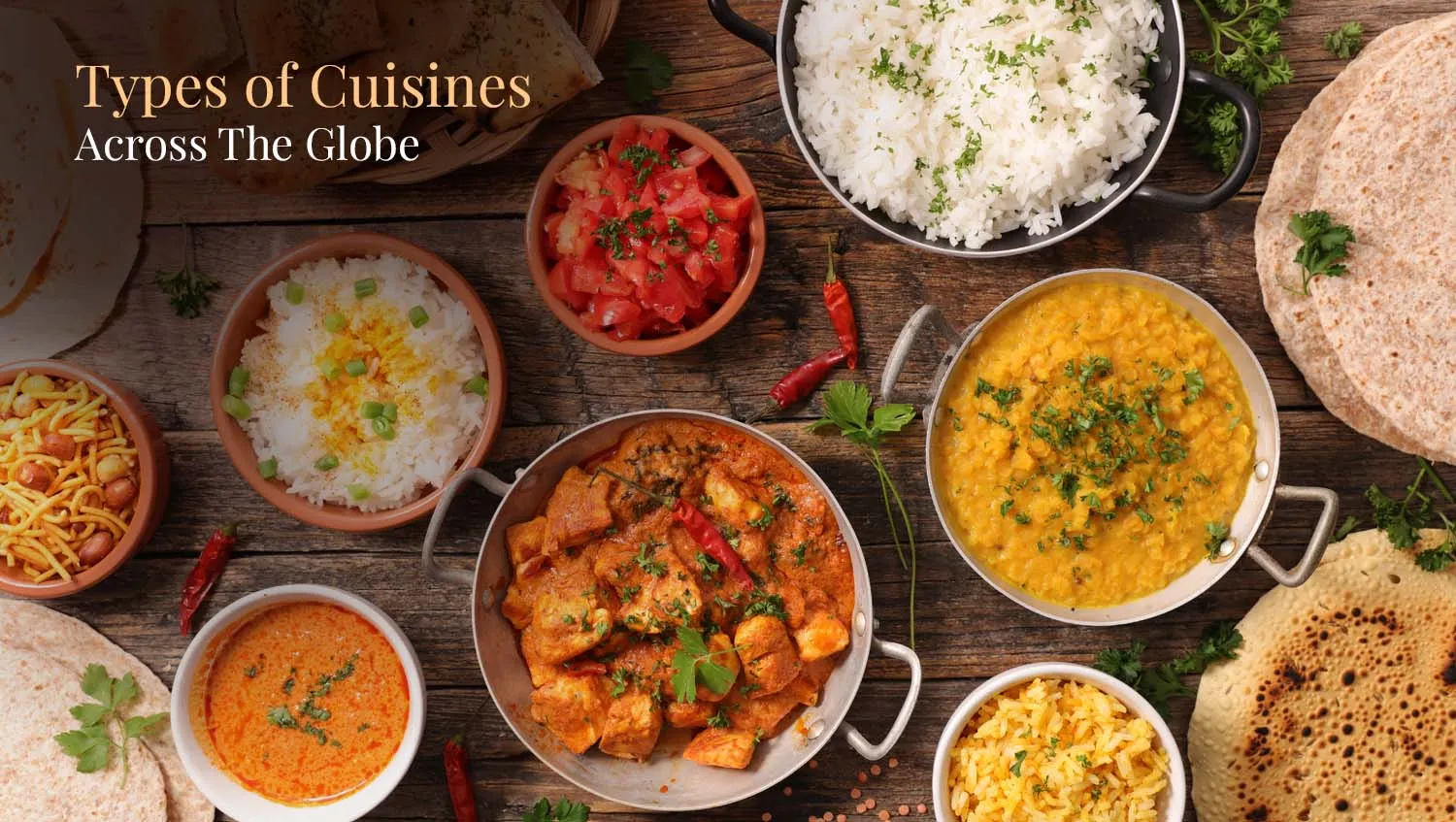
Steamed parcels of savory filling, delicate rice rolls, slow-simmered curries, and broths bright with herbs illustrate the continent’s range.
Cultural Significance
Many dishes began as festival foods or temple offerings, preserving ancient beliefs about balance, seasonality, and respect for nature.
European Tables
Characteristics
European cooking prizes technique—long braises, buttery sauces, and artful pastry work—alongside seasonal market produce. Presentation is considered part of the pleasure.
Popular Dishes
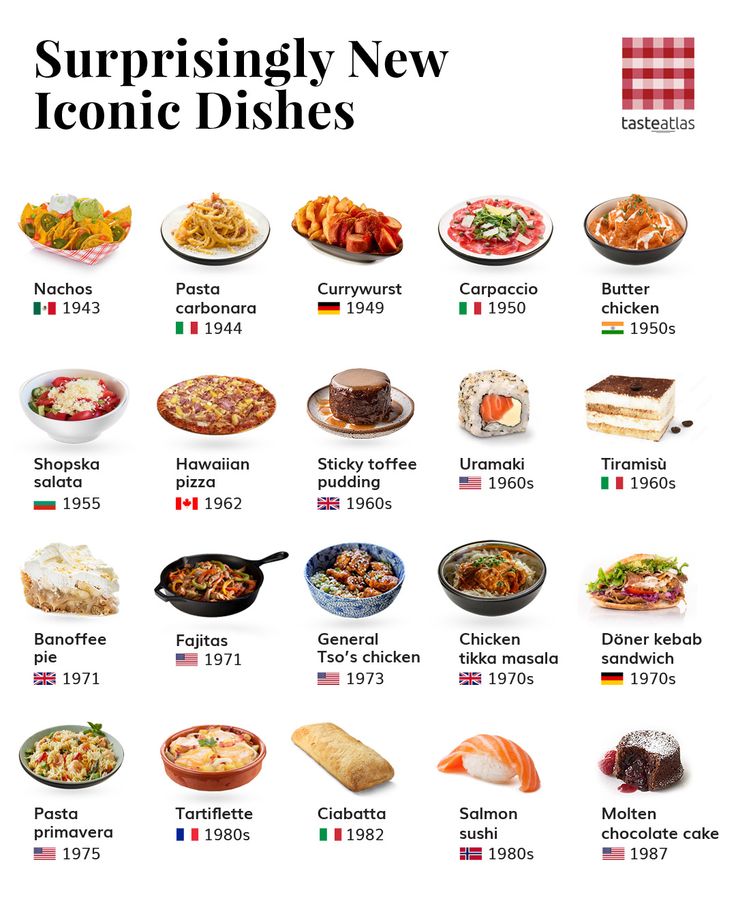
Hearty stews, wood-fired flatbreads, grilled sausages, and golden-fried seafood each tell a story of regional harvests and seafaring trade.
Cultural Significance
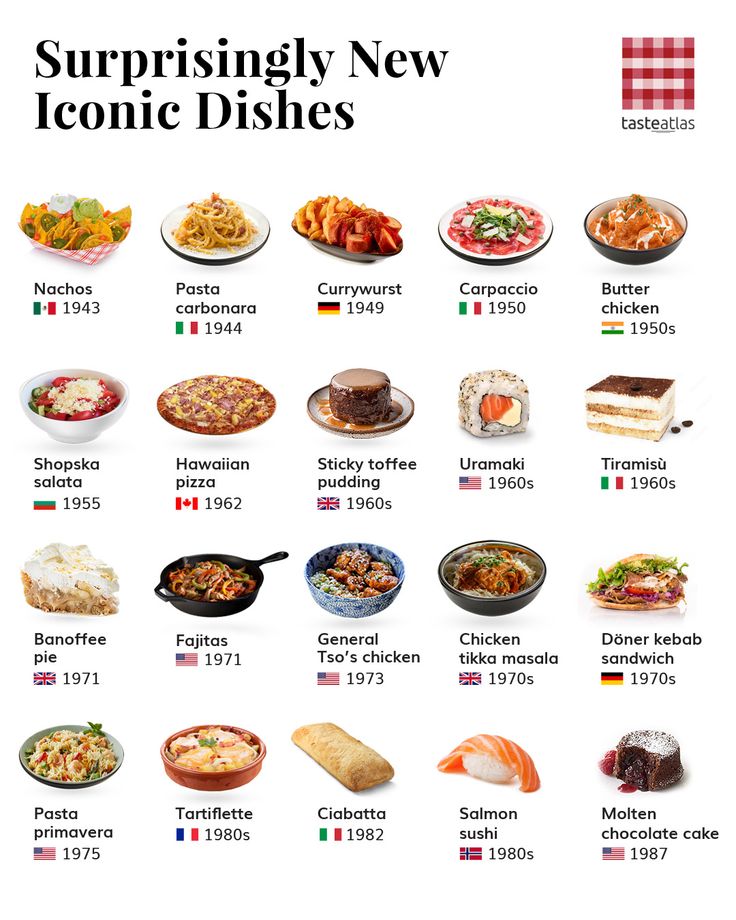
Centuries-old guilds and family-run eateries have refined these recipes, turning local fare into internationally loved classics.
African Tastes
Characteristics
African kitchens draw on indigenous grains, tubers, and spice routes that date back millennia. Fermentation, slow cooking, and clay-pot roasting coax deep flavors from modest ingredients.
Popular Dishes
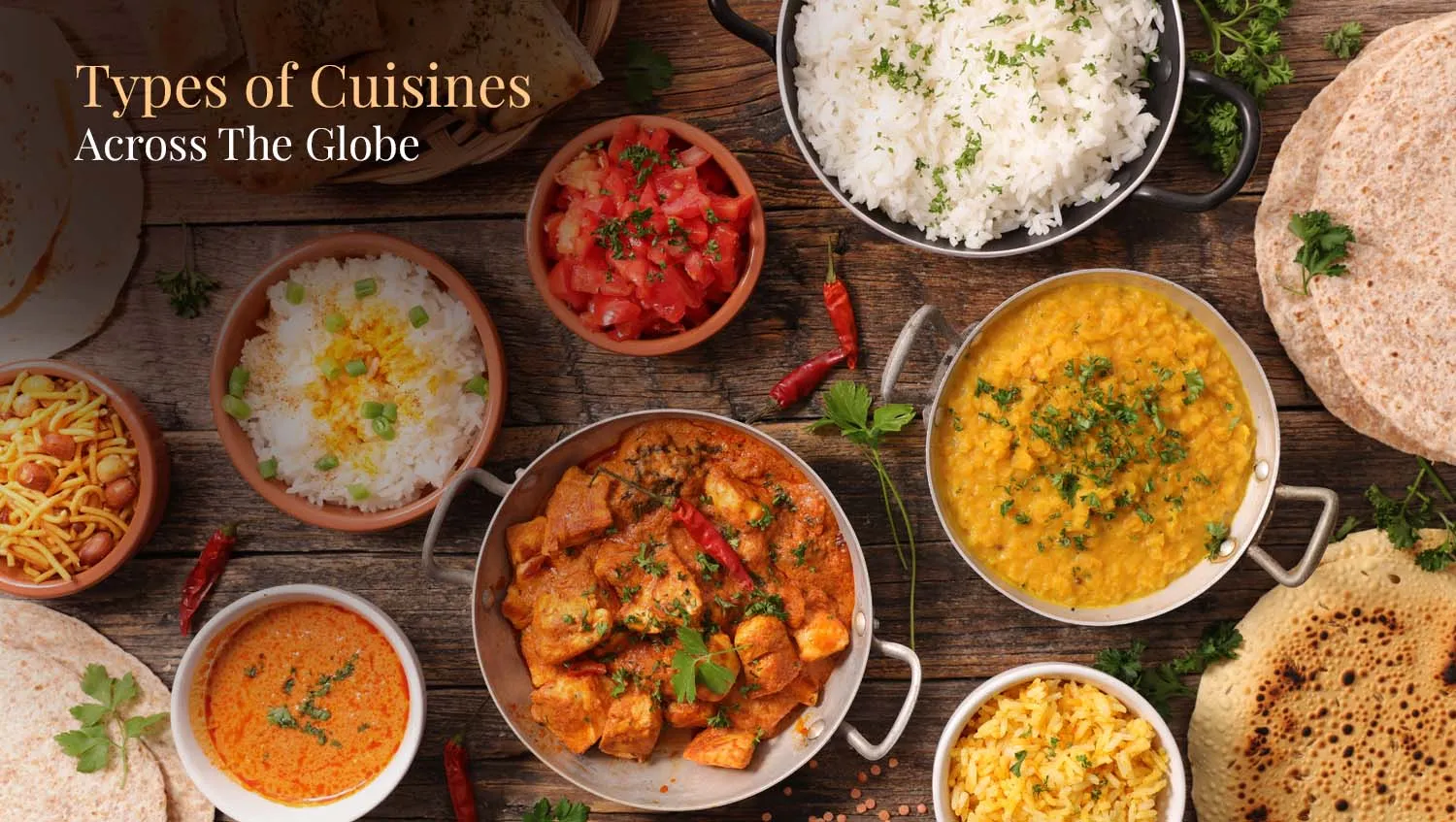
Aromatic stews baked in conical lids, casseroles topped with custardy layers, lentil-rice medleys, and spongy flatbreads meant for communal scooping showcase the continent’s creativity.
Cultural Significance
Sharing a central platter symbolizes unity; recipes pass from elder to child, keeping oral history alive with every bite.
Conclusion
Across continents, meals speak the language of place and memory. Tasting these varied traditions invites us to honor both the earth that feeds us and the neighbors who teach us new ways to gather.
Recommendations and Future Research
Cooking academies can enrich curricula by spotlighting global foodways, encouraging chefs to preserve time-tested methods while innovating responsibly. Scholars might next explore how migration and digital exchange reshape heritage dishes, ensuring evolving flavors remain rooted in respect for origin and community.


