

Title: How Healthy Cooking Magazines Inspire Better Eating Habits
Introduction:
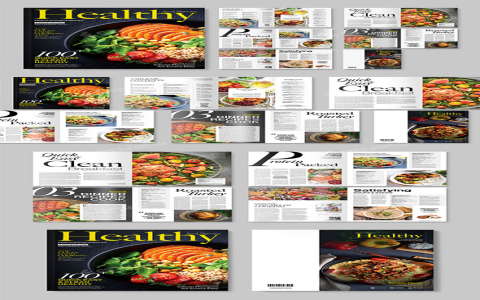
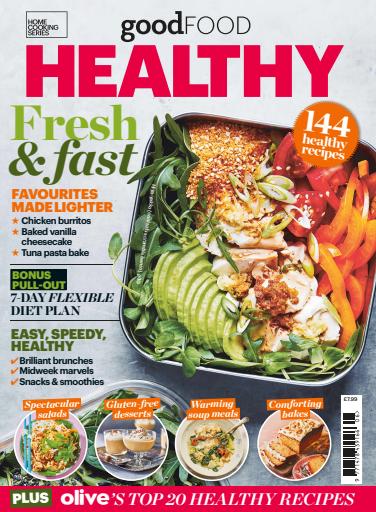
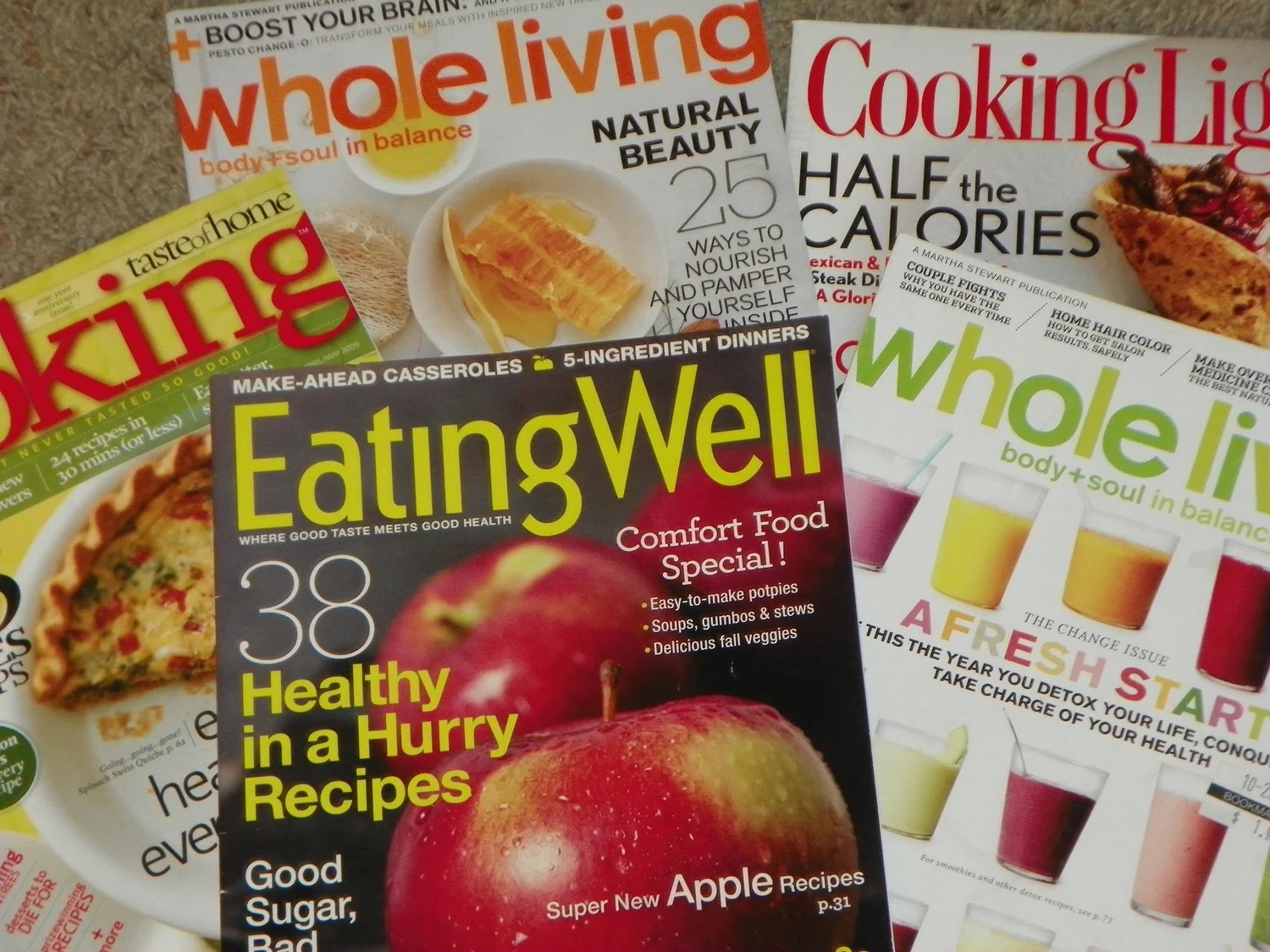
Interest in balanced eating has surged as more people recognize the link between daily meals and long-term wellness. Colorful periodicals devoted to wholesome recipes have become go-to guides for anyone eager to upgrade their diet without sacrificing flavor. This piece examines how these magazines encourage nutritious lifestyles, highlighting their strengths, hurdles, and next steps.
Benefits of Healthy Cooking Magazines
1. Education and Awareness:
Articles break down the basics of macro- and micronutrients, translate science into everyday language, and showcase interviews with registered dietitians. Readers finish each issue knowing why fiber matters, how to spot hidden sugars, and what a balanced plate looks like.
2. Recipe Inspiration:
From five-minute breakfasts to weekend show-stoppers, the pages overflow with ideas for every palate and dietary pattern—plant-forward, gluten-free, lower-carb, or simply packed with vegetables. Step-by-step photos invite even novice cooks to try global spices, alternative grains, and new kitchen techniques.
3. Encouraging Home Cooking:
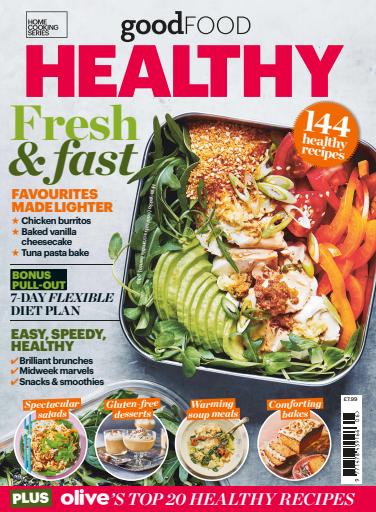
By stressing the value of preparing meals from scratch, the magazines help readers limit reliance on take-out and ultra-processed options. Shopping lists, prep-ahead tips, and one-pan solutions make the kitchen feel manageable after a busy day.
4. Community Building:
Letters pages, social media hashtags, and seasonal contests create a friendly space for swapping successes, flops, and twists on published recipes. Newly health-conscious subscribers gain confidence by connecting with others on the same journey.
Challenges Faced by Healthy Cooking Magazines
1. Balancing Taste and Nutrition:
Editors constantly test formulations that trim excess salt, sugar, or saturated fat yet still deliver the comfort-food factor. Achieving a dish that satisfies both nutritionists and picky eaters remains an ongoing puzzle.
2. Cost and Accessibility:
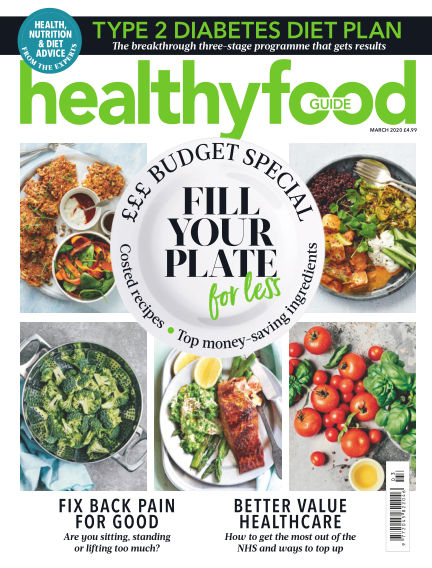
Photogenic quinoa, heirloom tomatoes, or imported spices can strain tight budgets. Rural shoppers may also struggle to locate specialty items, forcing adaptations that sometimes disappoint.
3. Misinformation and Misinterpretation:
Headlines promising rapid detox or single-ingredient miracles can be taken out of context. Even well-meaning features might be read as medical advice, leading to unbalanced eating patterns.
Future Directions for Healthy Cooking Magazines
1. Emphasizing Sustainability:
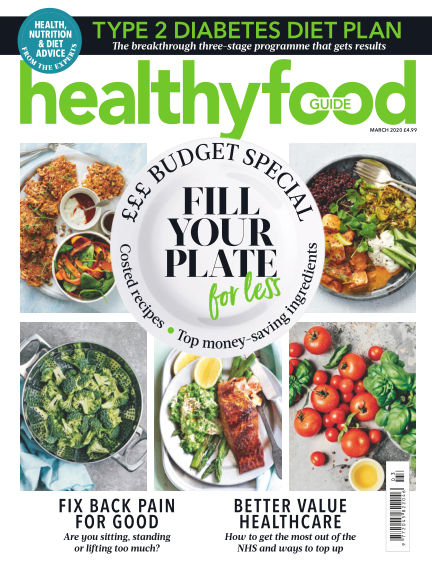
Upcoming issues are spotlighting plant-centric meals, nose-to-tail seafood, and creative leftovers that cut waste. Stories about local growers encourage readers to choose seasonal produce and reusable packaging.
2. Integrating Technology:
Companion apps now filter recipes by pantry items, adjust serving sizes at the tap of a finger, and link to short technique videos. Some titles experiment with augmented-reality overlays that demonstrate knife skills right on the countertop.
3. Collaborating with Health Professionals:
Partnerships with clinics and culinary schools yield medically reviewed meal plans, evidence-based supplement features, and Q&A columns that clarify trending diets.
Conclusion:
Healthy cooking magazines remain powerful allies in the quest for better eating. By blending culinary creativity, sound science, and a sense of community, they guide readers toward meals that nourish body and planet. Continued focus on sustainability, digital innovation, and expert collaboration will keep these publications relevant as audiences seek flavorful paths to lifelong wellness.


