

Recipes Without Ads: A Calmer Way to Learn How to Cook
Introduction
Today, anyone can find a recipe in seconds, yet the experience is often crowded by promotions and pop-ups. This article looks at why ad-free recipes matter and how they can create a quieter, more supportive space for learning to cook. By stepping away from constant sales messages, both creators and readers can focus on technique, flavor, and confidence in the kitchen.
The Impact of Ads on Cooking Content
Distraction and Disruption
Pop-ups, auto-play videos, and banner ads break the flow of reading a recipe. A single interruption can cause a cook to lose track of timing, skip an ingredient, or misread a temperature, turning an enjoyable activity into a stressful one.
Quality Concerns
When revenue depends on clicks, content may favor flashy, processed shortcuts instead of balanced meals. Readers searching for wholesome dishes can end up with suggestions that clash with their goals, simply because those items carry a higher ad payout.
Loss of Trust
Frequent sponsored lines blur the line between advice and advertisement. Over time, readers may question whether a recipe is shared because it works or because it sells, weakening the bond between writer and audience.
The Benefits of Ad-Free Recipes
Enhanced Focus
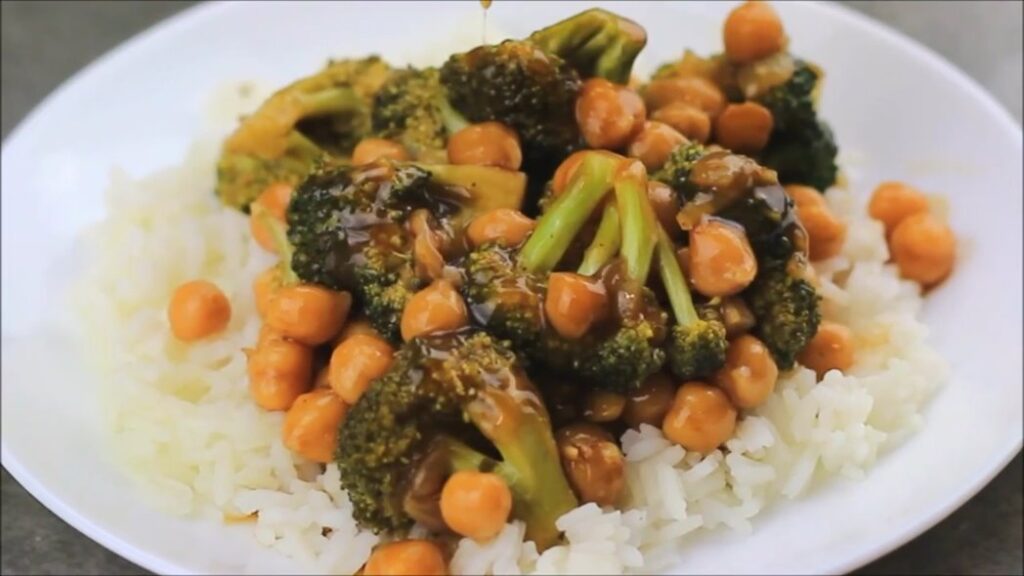
Without banners competing for attention, the steps, temperatures, and timings stay in clear view. Cooks can move smoothly from prep to plate, building muscle memory and intuition along the way.
Authenticity and Reliability
When no brand pays for placement, ingredients appear solely on merit. This freedom lets creators test, tweak, and explain the “why” behind each method, giving readers knowledge they can apply to other dishes.
Community Building
Ad-free spaces often invite discussion instead of clicks. Comment threads turn into places where beginners ask follow-up questions, experienced cooks share variations, and everyone celebrates successes without a sales pitch in sight.
Case Studies and Examples
Minimalist Baker
This site keeps pages clean, offering straightforward plant-forward dishes that can be made with everyday equipment. The calm layout encourages readers to linger, save favorites, and return out of trust rather than habit.
Yummly
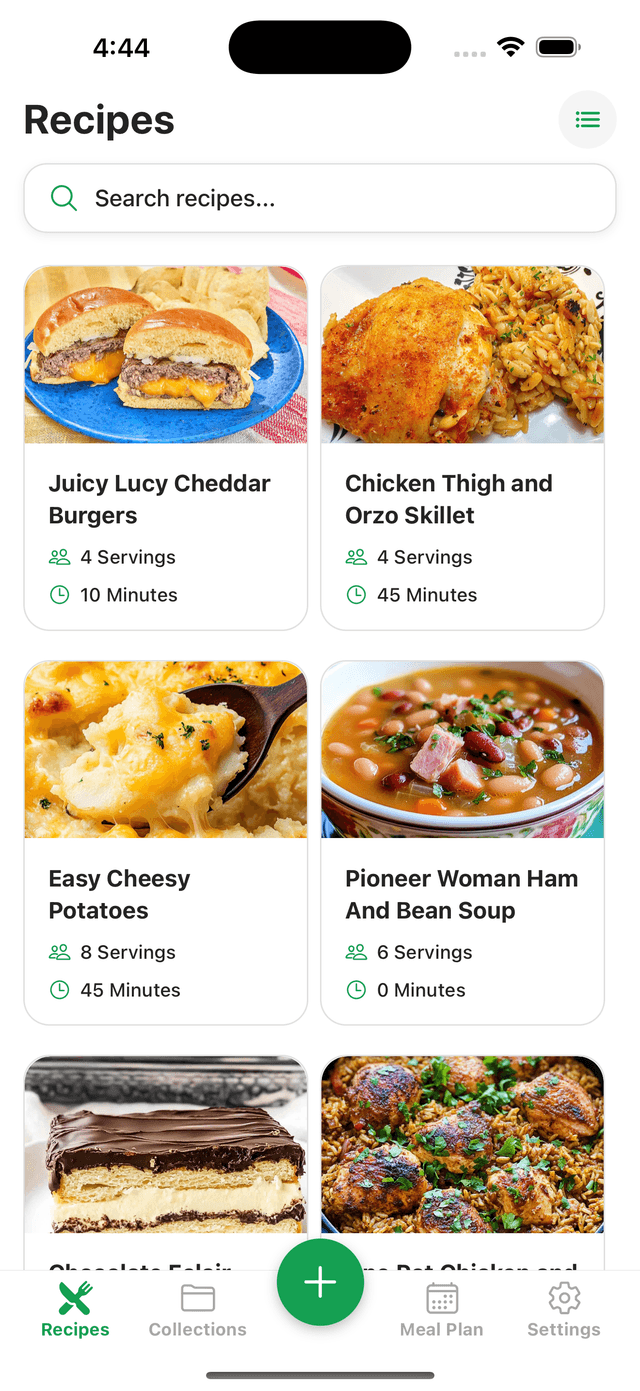
By providing a subscription option that removes promotions, the platform lets serious cooks search, filter, and organize collections without interruption, proving that convenience and quiet can coexist.
Conclusion
Choosing recipes without ads is less about avoiding marketing and more about reclaiming attention. When instructions stand alone, cooks gain space to notice sizzle, aroma, and texture—details that turn routine meals into lasting skills. A cleaner screen supports a richer kitchen experience, one where learning and sharing take center stage.
Recommendations and Future Directions
To keep the momentum going, consider these simple steps:
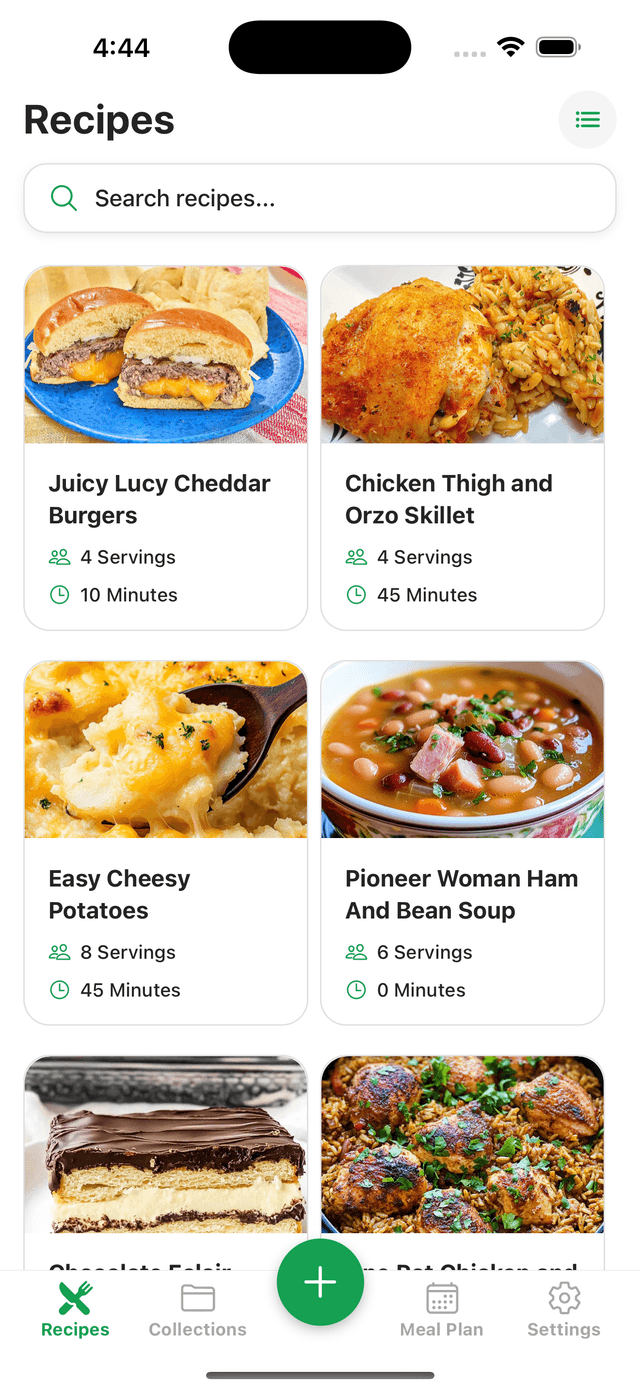
– Publishers can place reader value first, treating clear, tested recipes as the product rather than the bait.
– Services can introduce low-cost, ad-free tiers that fund recipe testing through subscriptions instead of banners.
– Educators can study how uninterrupted instructions affect confidence, retention, and creativity among home cooks.
Together, these choices move the culinary world toward a calmer, more respectful environment—one where the only thing sizzling is the pan, not the pop-up.


