

The Impact of Meal Examples on Dietary Choices and Health Outcomes
Introduction
Meal examples quietly steer everyday food decisions and, over time, shape overall well-being. How a dish looks, the balance on the plate, and the stories told about it can nudge people toward or away from nutritious choices. This article examines why these examples matter, how they guide preferences, and what health patterns emerge when different meals become the norm. Recognizing this influence helps both individuals and professionals foster eating habits that support long-term vitality.

The Role of Meal Examples in Dietary Choices
Understanding Meal Examples
Meal examples are the edible reference points people collect throughout life: family dinners, cafeteria plates, cooking videos, or take-out snapshots. Each image or memory becomes a mental shortcut for “what a meal should look like,” quietly setting standards for portion size, ingredient variety, and perceived wholesomeness.
Visual Cues and Perception
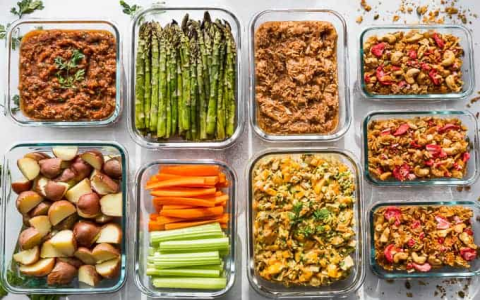
Bright colors, visible grains, and layered textures often read as fresh and balanced, while uniform browns and heavy coatings can signal indulgence even before the first bite. These instant judgments steer choices regardless of the actual nutrient numbers on the label.
Media Influence
Streaming tutorials and social feeds flood viewers with stylized plates. When quick, cheesy, or deep-fried clips dominate the algorithm, they normalize those options; equally, feeds that highlight colorful produce and simple prep steps can make lighter meals feel like the obvious pick.
The Influence of Meal Examples on Health Outcomes
Nutritional Intake
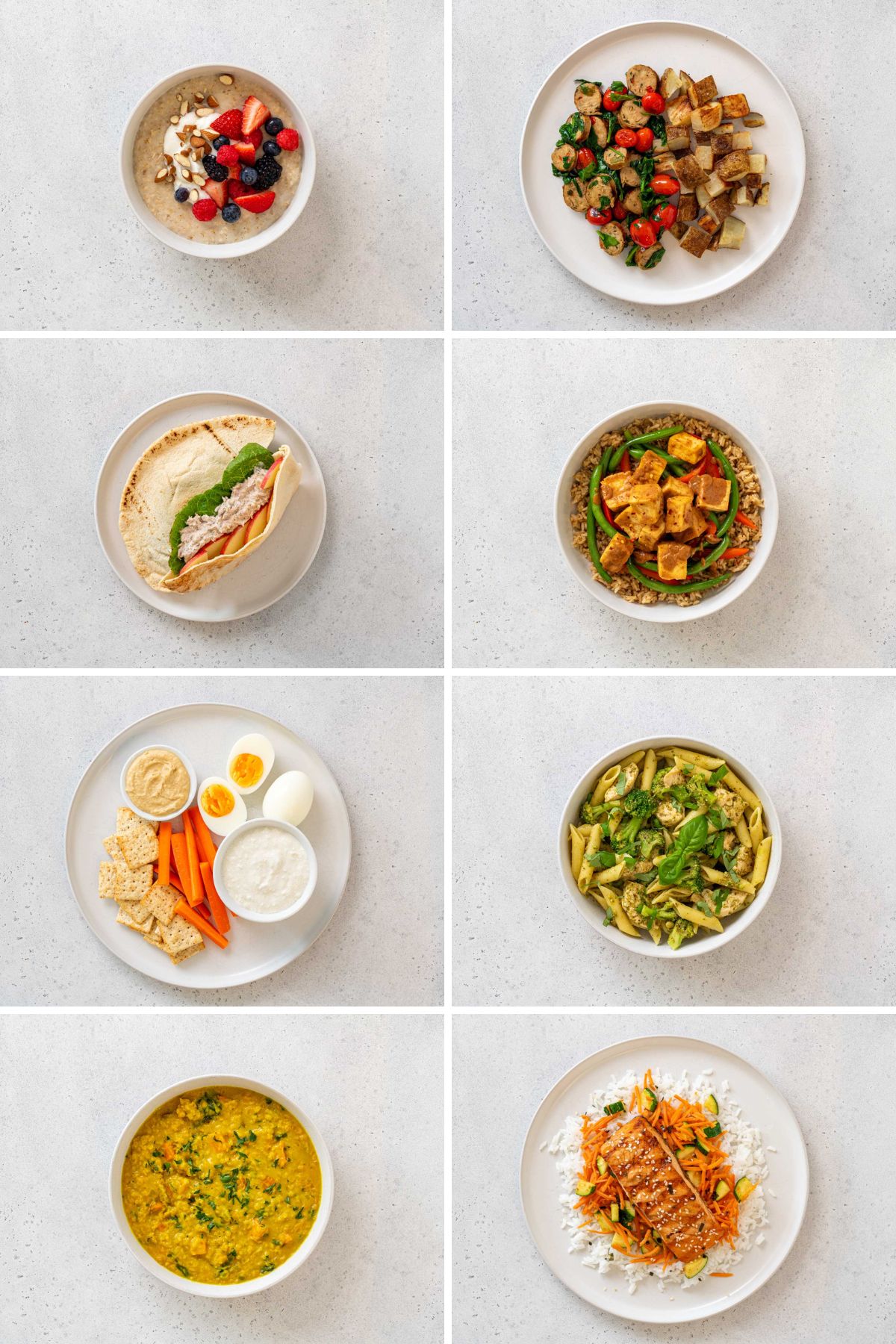
Repeated exposure to meals built around vegetables, whole grains, and lean protein raises the odds that daily menus will deliver fiber, vitamins, and steady energy. Conversely, constant glimpses of sugar-heavy drinks or salty snacks can tilt the weekly tally toward excesses linked to later health troubles.
Chronic Diseases
Population studies consistently show that diets inspired by highly processed, energy-dense examples correlate with higher rates of weight gain, blood-sugar irregularities, and heart concerns, while patterns centered on minimally altered ingredients show the reverse trend.
Psychological Factors
Viewing rich, calorie-packed dishes can trigger immediate appetite signals and cue cravings even in the absence of true hunger, making it harder to stop at satisfaction and easier to reach for second helpings.
Strategies for Promoting Healthy Meal Examples
Education and Awareness
Practical demos in schools, workplaces, and community centers that showcase quick, tasty, and budget-friendly balanced plates help rewrite mental templates of “normal” eating, giving people concrete models they can replicate at home.

Policy Interventions
Guidelines that encourage clearer menu labeling or restrict the marketing of nutrient-poor choices to children shift the visual food environment toward options that support rather than undermine public health goals.
Environmental Changes
Small tweaks—placing fruit at eye level in cafeterias, offering half-portion veggies by default, or running themed weeks celebrating plant-forward cuisines—make the healthy choice the convenient and attractive choice.
Conclusion
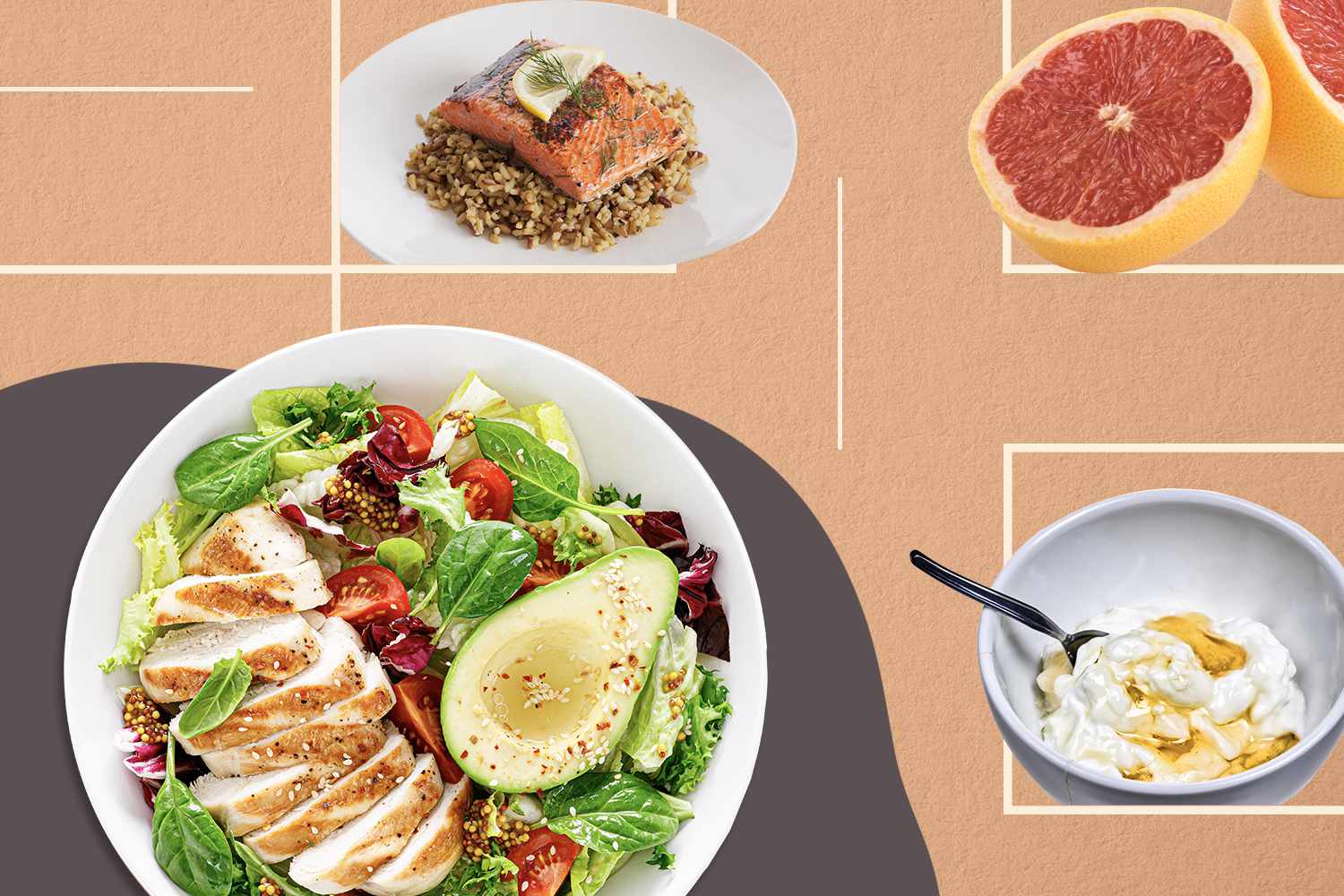
Meal examples act as silent nutrition educators. By curating and sharing appealing images of balanced, varied dishes, society can gradually recalibrate collective taste preferences and reduce diet-related disease risk. Continued education, supportive policies, and thoughtful design of everyday eating spaces together create an ecosystem where nutritious meals look familiar, taste comforting, and become the everyday standard.
References
Author, A. A. (Year). Title of article. Journal Name, Volume(Issue), pages.
Author, B. B. (Year). Title of article. Journal Name, Volume(Issue), pages.
Future Research Directions
Next steps include tracking how years of viewing particular meal styles shape long-term health markers, testing culturally tailored ways to highlight balanced plates, and exploring how apps and virtual cooking experiences can reinforce positive food imagery across age groups and regions.


