The Significance and Impact of Vermicelli Noodles in Culinary and Cultural Contexts
Introduction
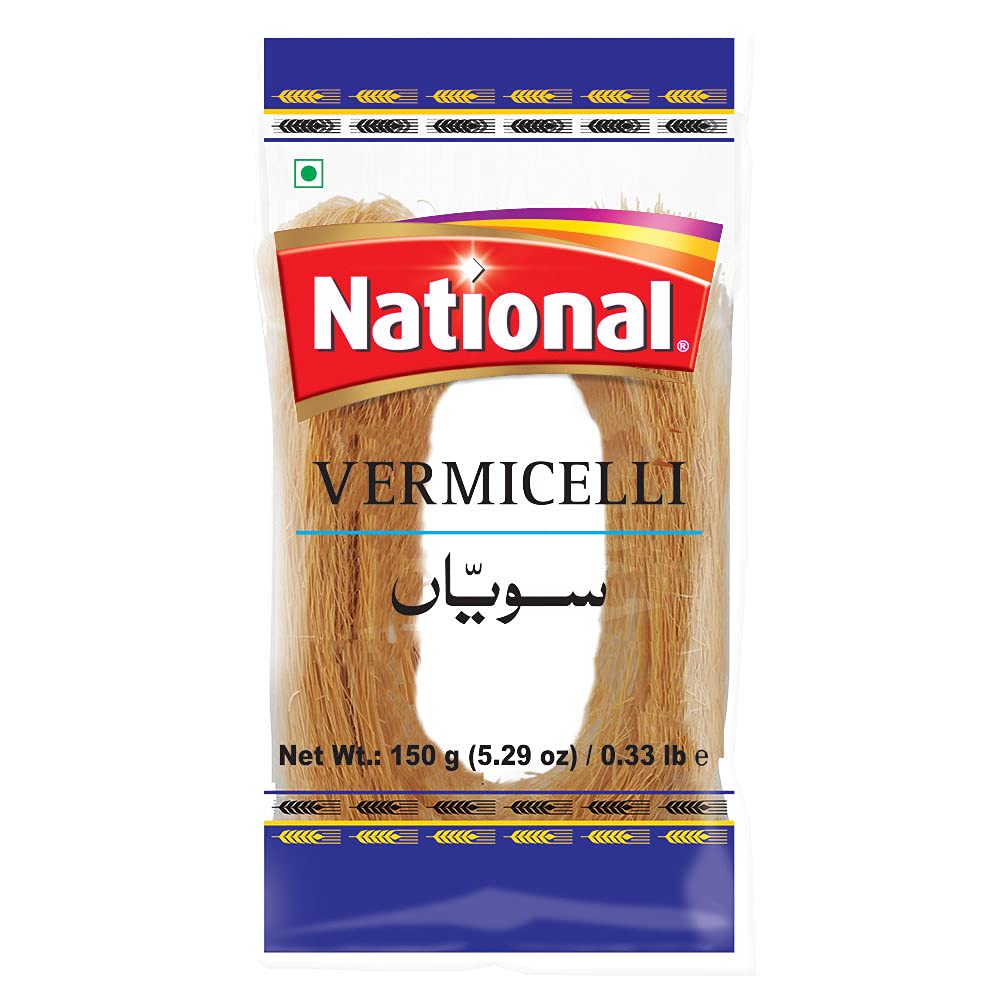
Vermicelli, a slender noodle enjoyed across continents, has long served as both everyday fare and festive centerpiece. Made from simple ingredients such as wheat, rice, or mung bean, it slips effortlessly into soups, stir-fries, and sweets, carrying the flavors and stories of the communities that prepare it. This article traces the journey of vermicelli from ancient kitchens to modern tables, highlighting how a humble strand of dough continues to shape identities and connect generations.
Historical Roots of Vermicelli
Historical Background
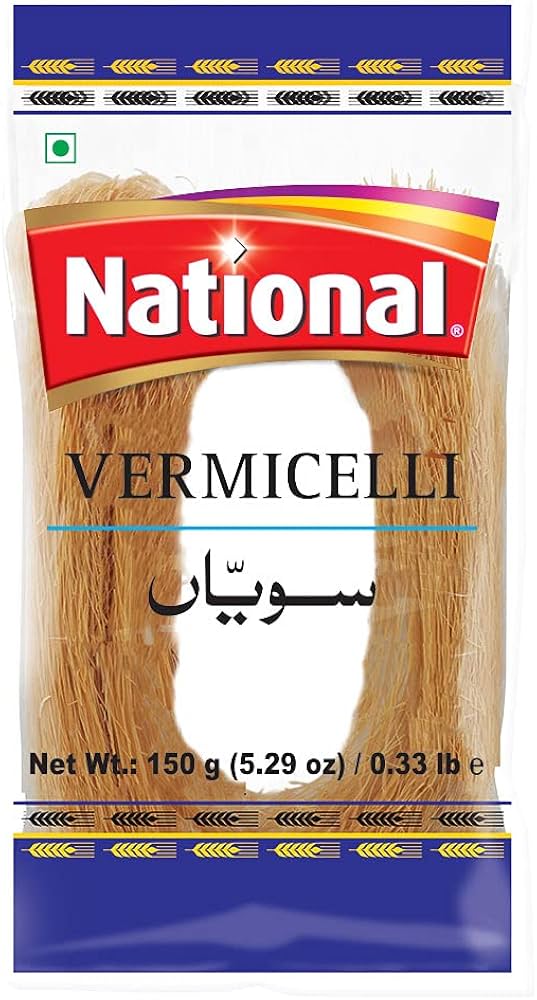
Early references to thread-like noodles appear in several ancient cultures, with Persia often cited as one of the first regions to refine the technique. From there, the concept traveled trade routes to the Middle East, the Indian subcontinent, and onward to East and Southeast Asia. In China, records suggest that similar noodles gained favor during imperial eras, gradually becoming a beloved staple in both courtly and home cooking.
Evolution and Adaptation
Each region welcomed the noodle, then reshaped it. Indian kitchens toasted it in ghee for creamy puddings, Filipino cooks tossed it with soy and vegetables for hearty sautés, and Thai chefs softened it for tangy salads. Local grains, spices, and cooking methods transformed the basic formula into countless distinct dishes, proving that versatility is woven into the noodle’s very nature.
Culinary Uses of Vermicelli
Traditional Dishes
From Chinese birthday bowls symbolizing long life to Iranian desserts perfumed with rose water, vermicelli stars in recipes that mark milestones and everyday meals alike. Whether floated in broth, folded into pilafs, or simmered in sweet milk, the noodle carries familiar comfort while adapting to regional palates.
Modern Innovations
Contemporary chefs fold vermicelli into fusion menus—think chilled noodle nests topped with citrus dressings, or crisp nests cradling slow-braised proteins. Such reinventions introduce the classic staple to new audiences while respecting its timeless texture.
Cultural Significance of Vermicelli
Symbolism and Rituals
In many cultures, long noodles signify longevity, making them essential at birthdays and New Year feasts. Sweet versions grace religious offerings and holiday tables, embodying generosity and shared blessings.
Community and Identity
Grandmothers teach grandchildren how to toast the noodles to golden perfection; neighbors swap family recipes during festive seasons. These small acts keep culinary heritage alive, fostering belonging even among diaspora communities far from their birthplace.
Impact of Vermicelli on Society
Economic Importance
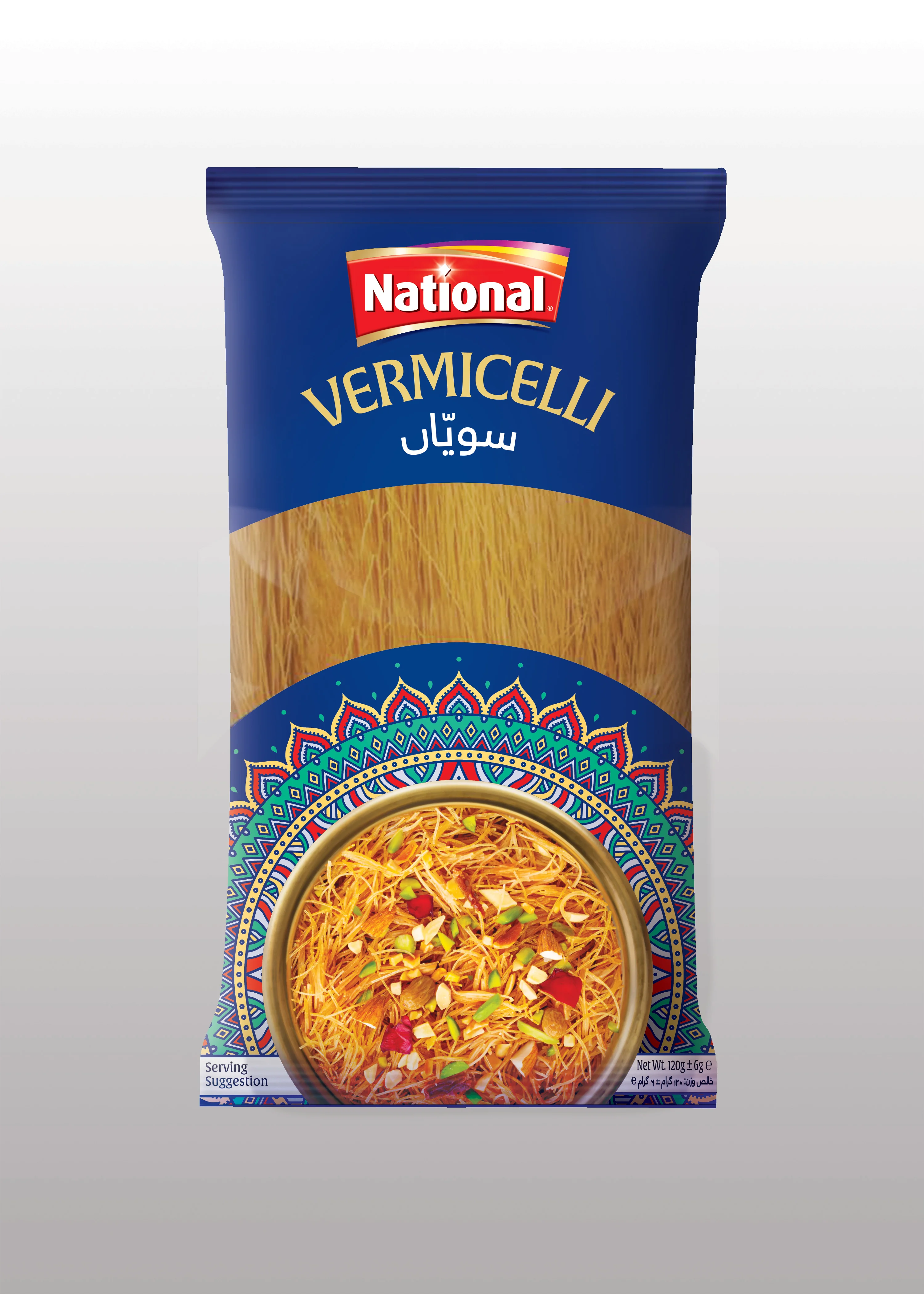
From small mills to large export plants, vermicelli production supports farmers, laborers, and traders. As global demand grows, the noodle contributes to rural incomes and strengthens food-based tourism.
Health and Nutrition
When paired with vegetables, lean proteins, and healthy fats, vermicelli offers balanced energy. Whole-grain and legume-based varieties add fiber and minerals, fitting neatly into diverse dietary patterns.
Conclusion
Vermicelli’s quiet presence on tables around the world speaks to its unique ability to transcend borders while honoring tradition. By continuing to share both classic preparations and creative interpretations, communities ensure that this slender noodle remains a vibrant thread in the fabric of global cuisine.
Recommendations and Future Research

To further explore the potential of vermicelli, it is recommended that:
1. Researchers investigate the nutritional benefits and health risks associated with the consumption of vermicelli in different cuisines.
2. Chefs and culinary experts collaborate to create new dishes that showcase the versatility of vermicelli.
3. Governments and organizations support the sustainable production and export of vermicelli to ensure its economic viability and cultural preservation.
By doing so, we can ensure that vermicelli continues to be a cherished part of our culinary and cultural heritage for generations to come.