

Title: Crafting Your Plate: The Rise of Personalized Meals
Introduction:
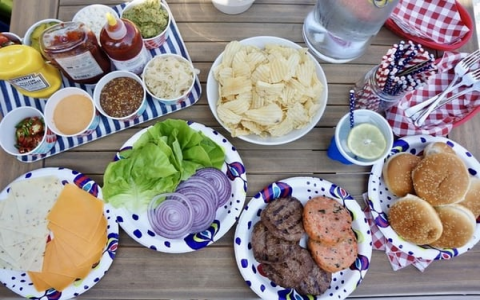
Across kitchens and cafés, more people are stepping away from one-size-fits-all menus and choosing to craft meals that fit their own tastes and wellness goals. This shift toward personalized eating invites everyone to mix, match, and modify ingredients until the plate feels just right. The following overview looks at why the idea is catching on, the advantages it brings, the hurdles it faces, and the innovations that may shape its future.
Understanding Personalized Meal Crafting
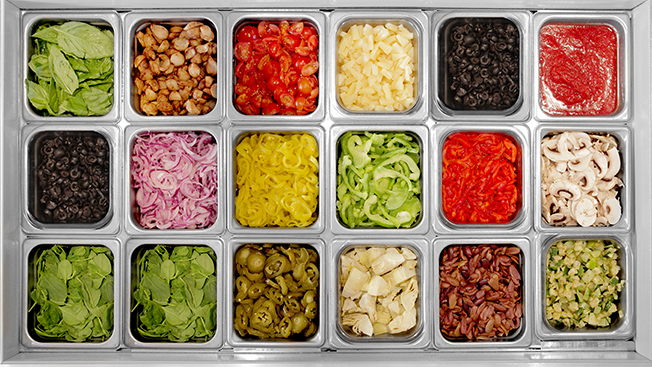
At its core, the practice means starting with a blank slate—grains, greens, proteins, spices—and combining them in portions that suit personal energy needs, flavor likes, and any dietary guidelines someone may follow. Age, daily activity, and overall health all influence the final combination, making each dish as individual as a fingerprint.
Benefits of Personalized Meals
1. Tailored Nutrition: When you select every element, it is easier to cover daily vitamin, mineral, and macronutrient targets, lowering the chance of shortfalls.
2. Flexible Eating Styles: Whether the goal is more plants, fewer carbs, or the absence of certain allergens, the approach adapts without forcing anyone into rigid categories.
3. Wellness Gains: Balanced, purpose-built plates can support steady energy, healthier weight ranges, and reduced risk factors for common chronic conditions.
4. Learning Opportunity: Experimenting with ingredients teaches how food affects mood, stamina, and long-term health, turning each meal into a mini lesson.
Challenges and Limitations
1. Know-How Gap: Building a nutritionally complete dish demands some background knowledge; guessing can leave gaps or excesses.
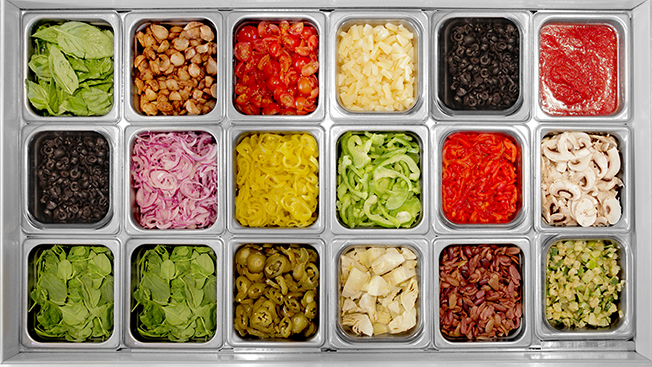
2. Time Demands: Weighing, chopping, and cooking a custom bowl often takes longer than grabbing a ready-made option, a hurdle for hectic days.
3. Budget Impact: Fresher, less processed components sometimes carry higher price tags, stretching household food budgets.
4. Leftover Risk: Buying small amounts of many items can lead to half-used bundles wilting in the fridge.
Technological Advancements
1. Smart Kitchen Tools: Scales that sync to nutrition apps and cookers with guided programs simplify precise measuring and timing.
2. Meal-Planning Software: Algorithms suggest combinations that meet calorie or nutrient targets, updating suggestions as goals evolve.
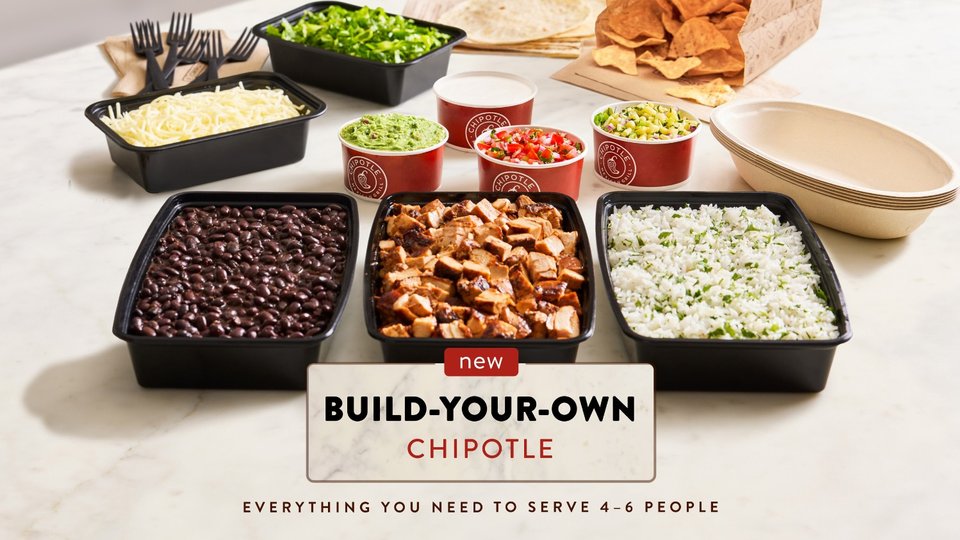
3. On-Demand Production: Emerging techniques such as micro-batching and rapid-forming equipment open the door to freshly made, single-serving items shaped to exact specifications.
Future Developments and Recommendations
1. Wider Education: Schools, workplaces, and online platforms can offer short courses on balanced composing, turning intuition into informed choices.
2. Professional Partnerships: Dietitians, chefs, and tech developers working together can create guided templates that feel creative rather than clinical.
3. Supportive Policy: Incentives for local produce, clearer ingredient labeling, and community kitchen spaces can make personalized eating more inclusive.
4. Continuous Innovation: Research into sustainable proteins, longer-lasting produce, and energy-efficient appliances will keep the movement viable for larger populations.
Conclusion:
Personalized meal crafting turns the daily question of “What’s for dinner?” into an opportunity for self-care, creativity, and better health. While knowledge, time, and cost remain real obstacles, steady advances in education, technology, and public support are steadily lowering the barriers. If these trends continue, the customized plate could move from niche habit to mainstream norm, benefiting people and the planet alike.


