


The Allure of Chicken Parmesan: A Culinary Classic
Introduction
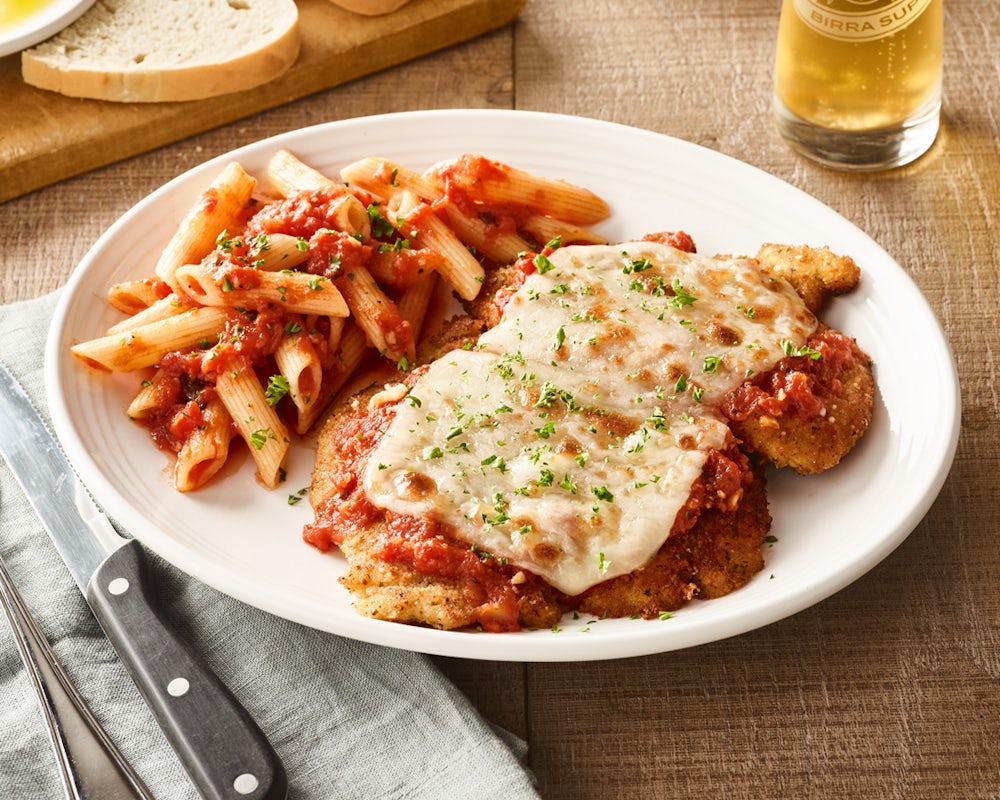
Chicken Parmesan has long been a favorite in Italian-American kitchens, winning hearts with its crisp coating, bright tomato sauce, and bubbling cheese. This comforting plate blends Old-World spirit with New-World generosity, creating a meal that feels both familiar and celebratory. The following notes trace its background, cooking method, and the reasons it remains so cherished.
The Origins of Chicken Parmesan
1.1 Italian Roots
Although the idea of coating and baking protein with cheese and tomato is rooted in southern Italy, the chicken version took shape in early twentieth-century immigrant communities. Cooks replaced the customary eggplant with affordable, widely available chicken, breaded it, and finished it in the oven for a hearty family supper.
1.2 American Evolution
Once the dish reached neighborhood trattorias, it met larger appetites and local ingredients. A side of spaghetti turned the entrée into a full plate, while a final blanket of melted mozzarella suited the national fondness for generous portions. In this way, Chicken Parmesan became a menu mainstay that speaks both languages at once.
The Preparation of Chicken Parmesan
2.1 Ingredients
Essential items are skinless chicken breasts, fine breadcrumbs, a lively tomato sauce, fresh mozzarella, and aged Parmesan. Quality matters more than quantity; bright tomatoes and fragrant cheese lift the entire preparation.

2.2 The Process
The fillets are pounded evenly, dipped in egg, coated with seasoned crumbs, and pan-seared until golden. They are then transferred to a baking dish, topped with sauce and cheese, and slid into a hot oven until the surface turns molten and lightly browned.
The Flavors of Chicken Parmesan
3.1 The Breaded Chicken
The crisp crust provides contrast to the tender meat, while its porous surface catches the sauce and cheese, ensuring every bite is juicy and aromatic.
3.2 The Tomato Sauce
A balanced sauce—bright with tomato, fragrant with herbs, and mellowed by a hint of garlic—adds depth without masking the poultry. Slow simmering concentrates flavor and softens acidity.
3.3 The Cheese
Mozzarella delivers stretch and richness; Parmesan offers nutty, salty notes. Together they form a golden canopy that seals in moisture and crowns the dish with savory comfort.
The Cultural Significance of Chicken Parmesan
4.1 Italian-American Identity
The entrée stands as a tasty symbol of adaptation, showing how traditional techniques embraced new ingredients to create something unmistakably home-grown yet respectful of its ancestry.
4.2 Comfort Food
Whether served at a family table or ordered on a night out, Chicken Parmesan delivers warmth and satisfaction. Its familiar layers reassure diners and invite shared memories, making it a perennial favorite.
Conclusion
Chicken Parmesan endures because it balances crisp and tender, bright and rich, old and new. Each element plays its part in a comforting harmony that continues to bring people together, proving that simple ingredients, treated with care, can achieve timeless appeal.
Recommendations and Future Research
To deepen appreciation of this classic, consider exploring:
1. How regional Italian communities influenced its development across different cities.
2. Nutritional adjustments—such as baking instead of frying or using whole-grain crumbs—that preserve flavor while lightening the plate.
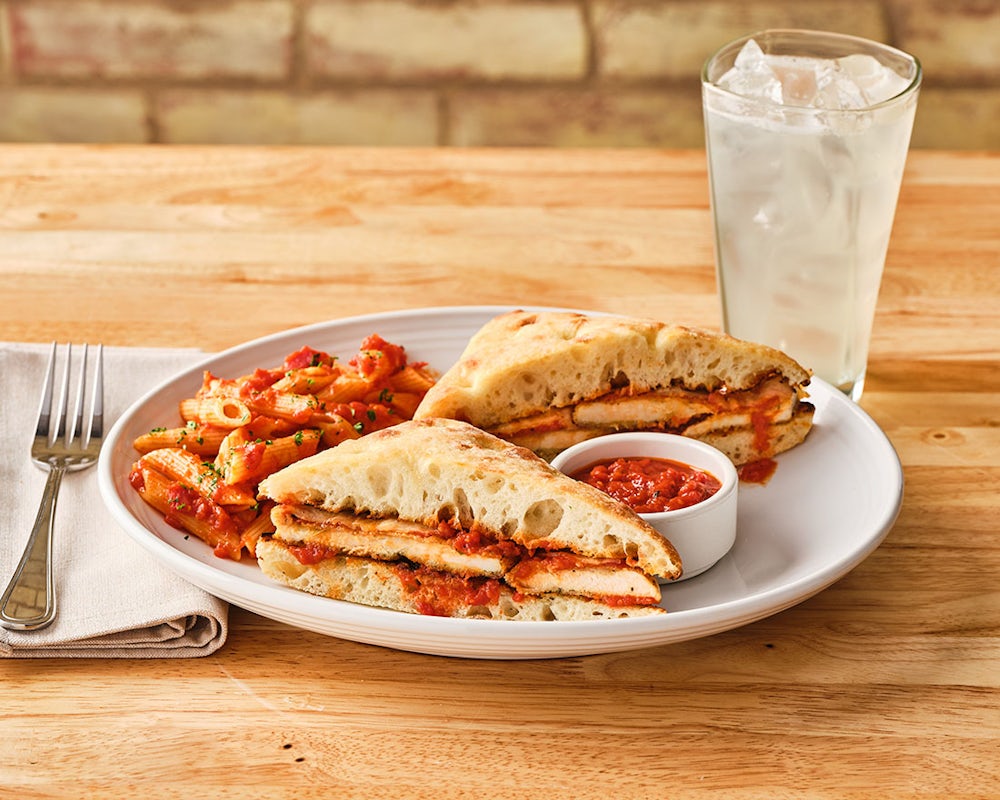
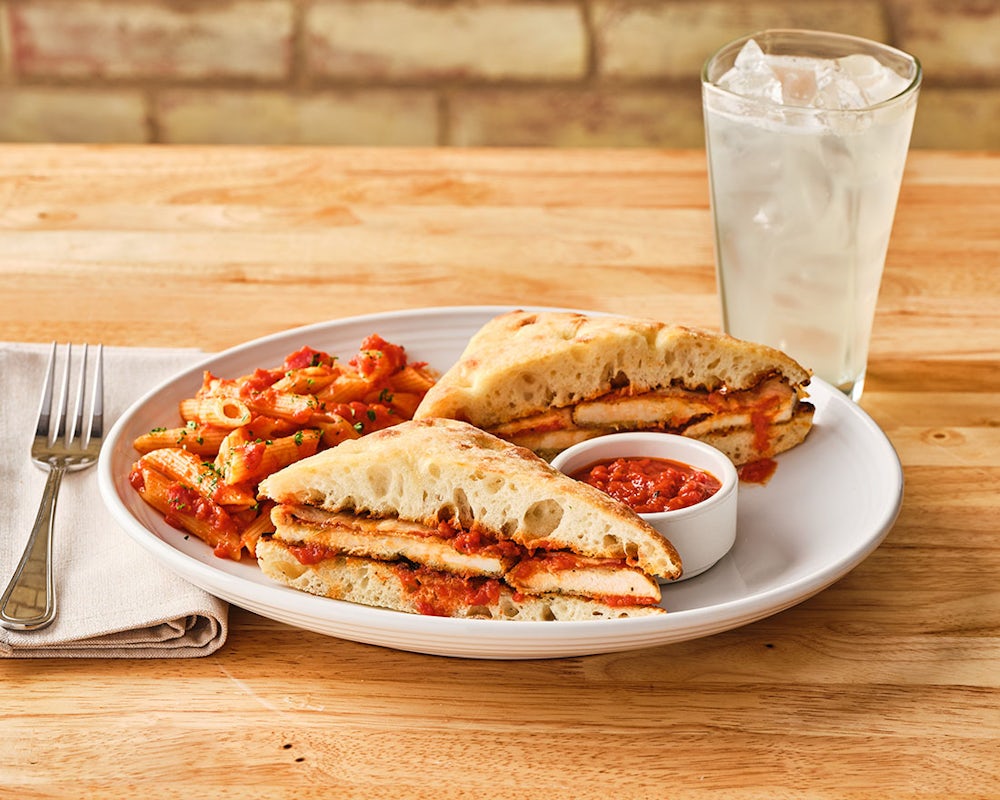
3. Global interpretations, from sandwich versions to vegetarian adaptations, that showcase the dish’s versatility.

Investigating these angles can enrich our understanding of Chicken Parmesan and its place at the ever-evolving table of modern cuisine.


