

The Rise of Pasta Bowls: A Modern Culinary Trend
Introduction
In recent years, pasta served in deep, inviting bowls has become a favorite way to enjoy the classic comfort food. These layered creations combine tender noodles with colorful toppings and aromatic sauces, offering a fresh take on traditional recipes. This article explores how the bowl format gained momentum, the reasons diners love it, and the creative possibilities it brings to both restaurants and home kitchens.
The Concept of Pasta Bowls
What Are Pasta Bowls?
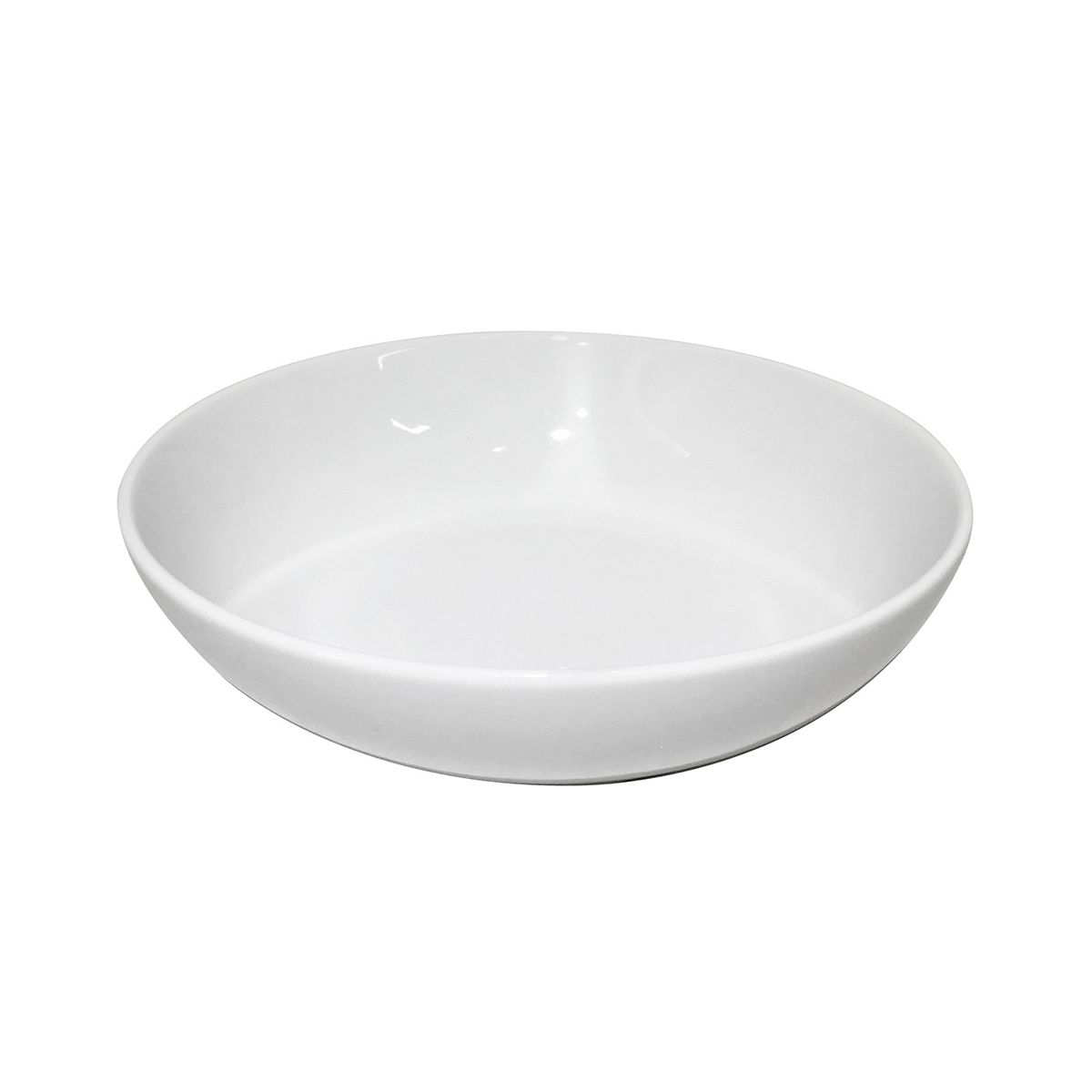
Pasta bowls are simply pasta dishes presented in generously sized bowls rather than on flat plates. The curved walls cradle sauce, vegetables, and proteins, keeping every bite evenly coated and warm. The format encourages mixing ingredients at the table and invites endless customization, from light vegetarian options to hearty meat-based meals.
Origins of the Concept
Chefs began favoring bowls in the early 2000s as casual dining surged. The shape proved practical for delivery and take-out, while the layered look photographed beautifully for social media. Cooking shows and food blogs quickly highlighted bowl-friendly recipes, helping the trend spread from cafés to family dinner tables around the world.
The Popularity of Pasta Bowls
Factors Contributing to Popularity
Several elements explain the widespread appeal of pasta bowls:
1. Versatility: Noodles pair well with almost any ingredient, allowing eaters to adapt bowls to seasonal produce, dietary needs, or personal taste.
2. Ease of Preparation: A single pot for pasta and a quick skillet for toppings mean dinner can be ready in minutes, perfect for busy schedules.
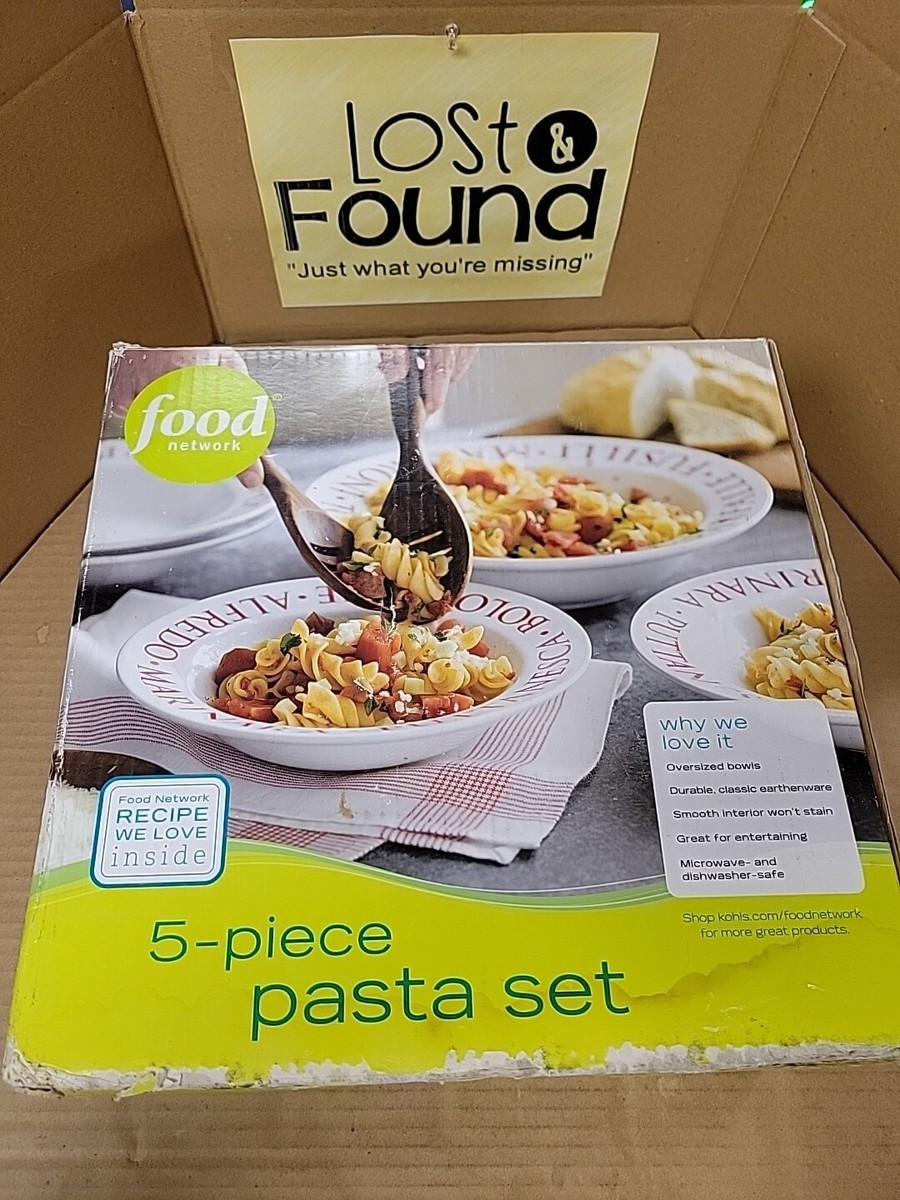
3. Visual Appeal: Vibrant sauces, greens, and proteins stacked in a bowl create an appetizing presentation that invites sharing online and in person.
Impact on the Food Industry
The bowl trend has influenced menus and shopping habits in noticeable ways:
1. Increased Pasta Sales: Comfort food cravings and recipe experimentation have lifted demand for both classic and specialty noodles.
2. Menu Innovation: Restaurants now design entire sections around bowl builds, encouraging chefs to blend global flavors with familiar pasta shapes.
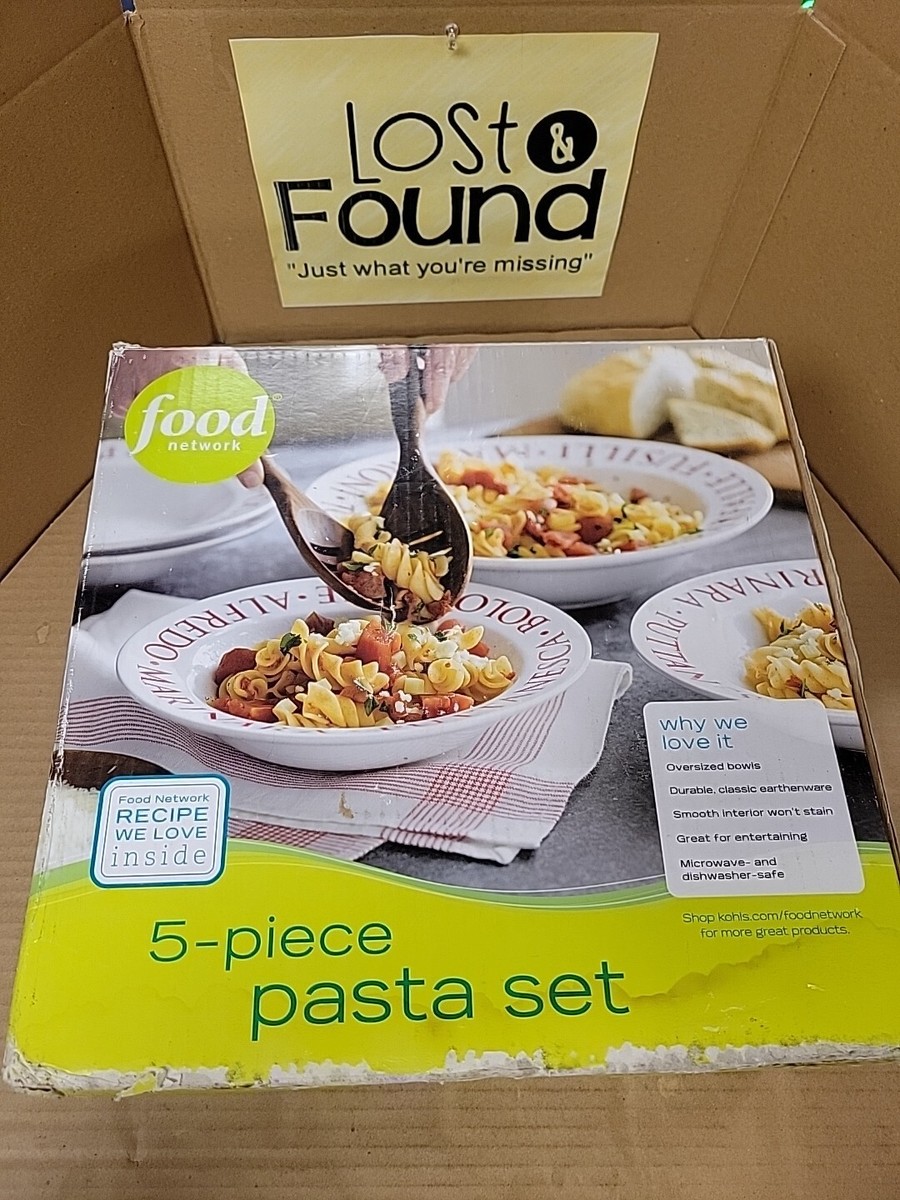
3. Home-Cooking Revival: Simple techniques and flexible ingredients inspire more people to cook from scratch, strengthening food culture at home.
The Unique Characteristics of Pasta Bowls
Rich and Flavorful Sauces
A well-built bowl starts with a sauce that clings to every strand. Tomato basil, creamy mushroom, lemon-garlic olive oil, and spicy arrabbiata are popular choices that infuse each bite with balanced flavor.
Variety of Ingredients
Colorful vegetables, lean proteins, legumes, and fresh herbs turn pasta into a complete meal. Rotating produce with the seasons keeps bowls nutritious and exciting year-round.
Bowl Design
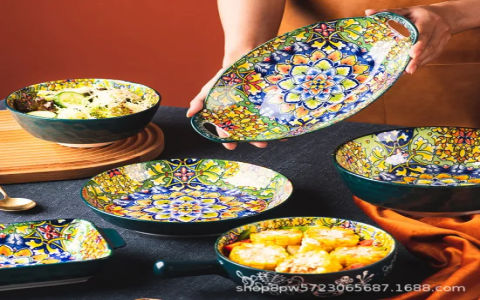
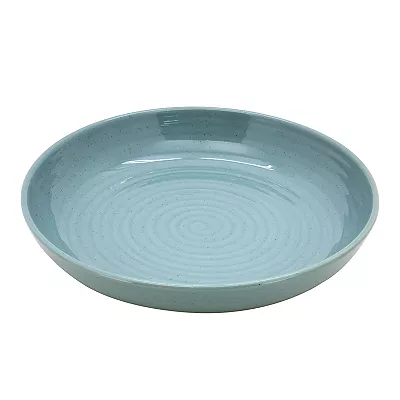
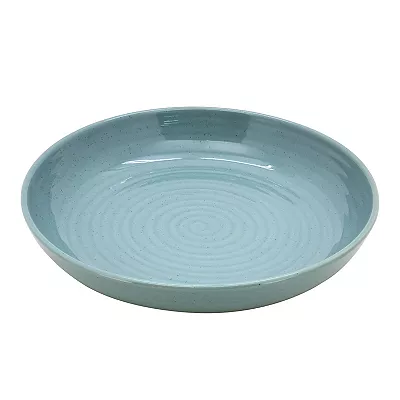
Wide, shallow ceramics or deep stoneware help retain heat and allow easy twirling of noodles. Textured finishes and earthy tones add a rustic, comforting touch to the dining experience.
Case Studies: Successful Pasta Bowl Recipes
1. Creamy Chicken & Spinach Bowl
This comforting version combines grilled chicken strips, wilted spinach, and a light Parmesan cream sauce. A sprinkle of lemon zest brightens the dish, making it a weeknight favorite.
2. Veggie Primavera Bowl
Spring vegetables such as asparagus, cherry tomatoes, and bell peppers are sautéed in olive oil, then folded into al dente spaghetti. A shower of fresh basil and pecorino completes the colorful, garden-fresh meal.
Conclusion
Pasta bowls have reimagined an age-old staple, offering a practical, photogenic, and highly adaptable way to enjoy noodles. Their success lies in the harmony of flavor, convenience, and creativity—qualities that continue to inspire both professional chefs and home cooks.

Recommendations and Future Research
Exploring the next phase of pasta bowls could include:
1. Cultural Fusion: Examining how international ingredients and techniques merge with traditional pasta dishes in bowl format.
2. Nutritional Balance: Studying portion sizes, whole-grain options, and vegetable ratios to maximize health benefits without sacrificing taste.
3. Sustainable Practices: Investigating eco-friendly packaging for take-away bowls and responsible sourcing of noodles and toppings.

Continued curiosity in these areas will help the humble pasta bowl remain a vibrant part of evolving food traditions.


