


The Impact of Speedy Meals on Contemporary Life
Introduction
In today’s hurried world, the appetite for meals that can be prepared in minutes has grown dramatically. This shift has been driven by faster technology, evolving daily routines, and tighter budgets. The following discussion weighs the pros and cons of speedy meals, outlines their societal footprint, and considers what they may mean for tomorrow.

The Rise of Speedy Meals
Technological Advancements
Kitchen gadgets such as multi-cookers, rapid-boil kettles, and microwave steamers have slashed cooking times. These tools let even the busiest people put dinner on the table without spending the entire evening in the kitchen.
Changing Lifestyles
Longer workdays, lengthier commutes, and packed family schedules leave little room for elaborate cooking. Speedy meals fill that gap, freeing up minutes for rest, study, or family time.

Economic Pressures
With grocery prices rising, many households seek affordable shortcuts. Shelf-stable kits, frozen mixes, and canned staples often cost less per serving than a basket of fresh produce, making them an economical choice.
Benefits of Speedy Meals
Convenience
The clearest advantage is speed. A balanced plate can be ready in the time it takes to stream a favorite show, making home cooking realistic on the most chaotic days.

Cost-Effectiveness
Buying ingredients in ready-to-use form reduces waste and prevents the impulse take-out orders that strain a budget. Bulk packs of pre-portioned grains or sauces stretch across several meals for just a few coins each.
Nutritional Value
When shoppers choose low-sodium broths, whole-grain pasta, or frozen vegetables, a ten-minute supper can deliver fiber, vitamins, and protein comparable to a longer-cooked feast.
Drawbacks of Speedy Meals

Nutritional Concerns
Some ready-made options lean heavily on salt, sugar, and saturated fat. Frequent reliance on these products can nudge daily intake above recommended limits, quietly increasing health risks over time.
Environmental Impact
Single-use pouches, plastic trays, and shrink-wrap accumulate quickly. If not recycled, this packaging adds bulk to landfills, while long supply chains for processed ingredients raise overall emissions.
Social Impact
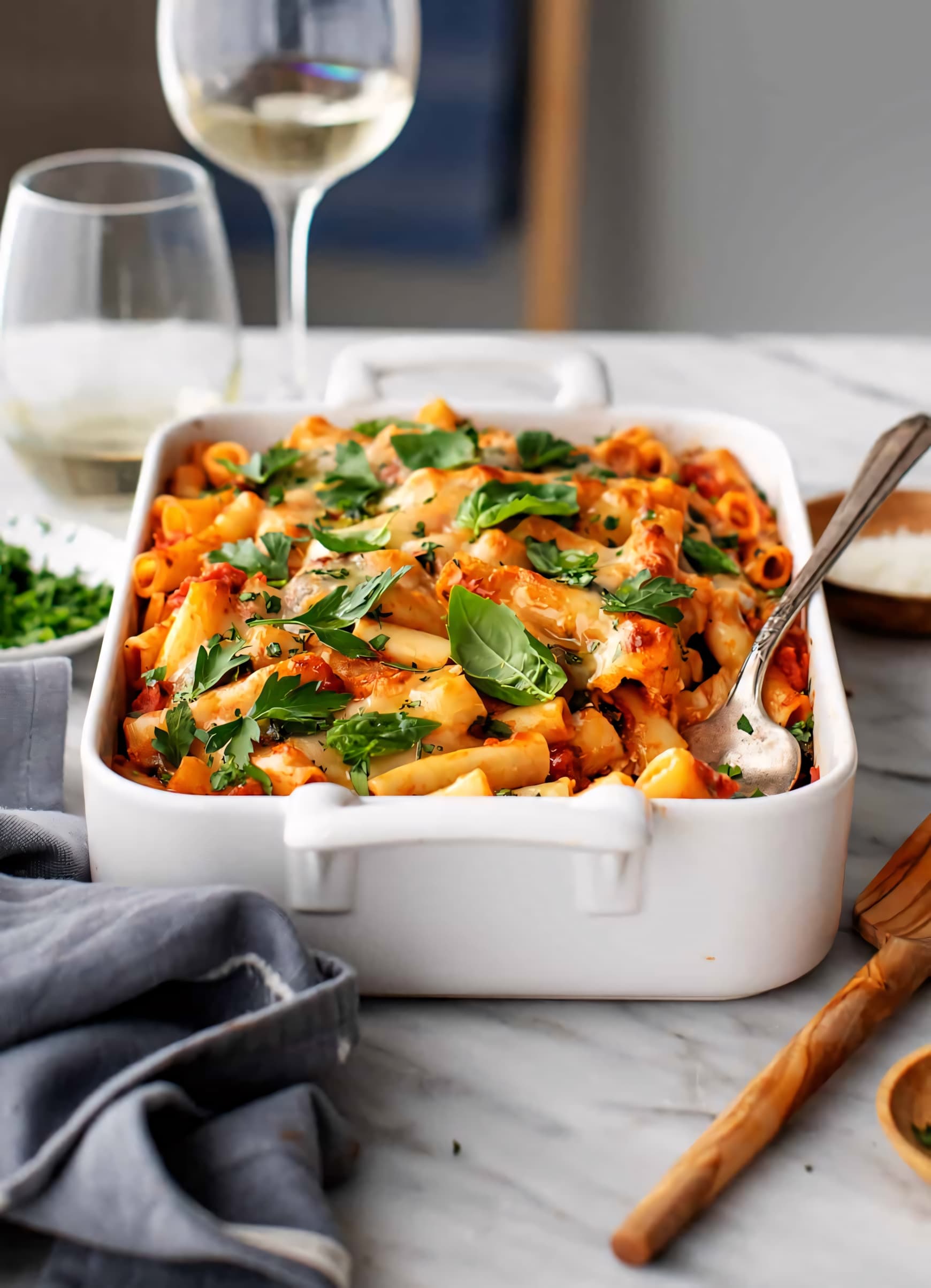
When dinner is squeezed between meetings, the communal ritual of cooking together can fade. Shared kitchen time traditionally strengthens family bonds and passes down culinary knowledge—benefits that shrink with every shortcut taken.
Conclusion
Speedy meals have carved out a permanent place on the modern table for good reason: they save money, minutes, and mental energy. Yet their convenience can quietly erode health, planet resources, and social connection if left unchecked. The goal, then, is mindful integration—selecting nutrient-dense, minimally packaged products and still setting aside occasional evenings to cook, talk, and linger at the stove.
Recommendations and Future Research
To keep the balance tipped toward benefit, consider these steps:
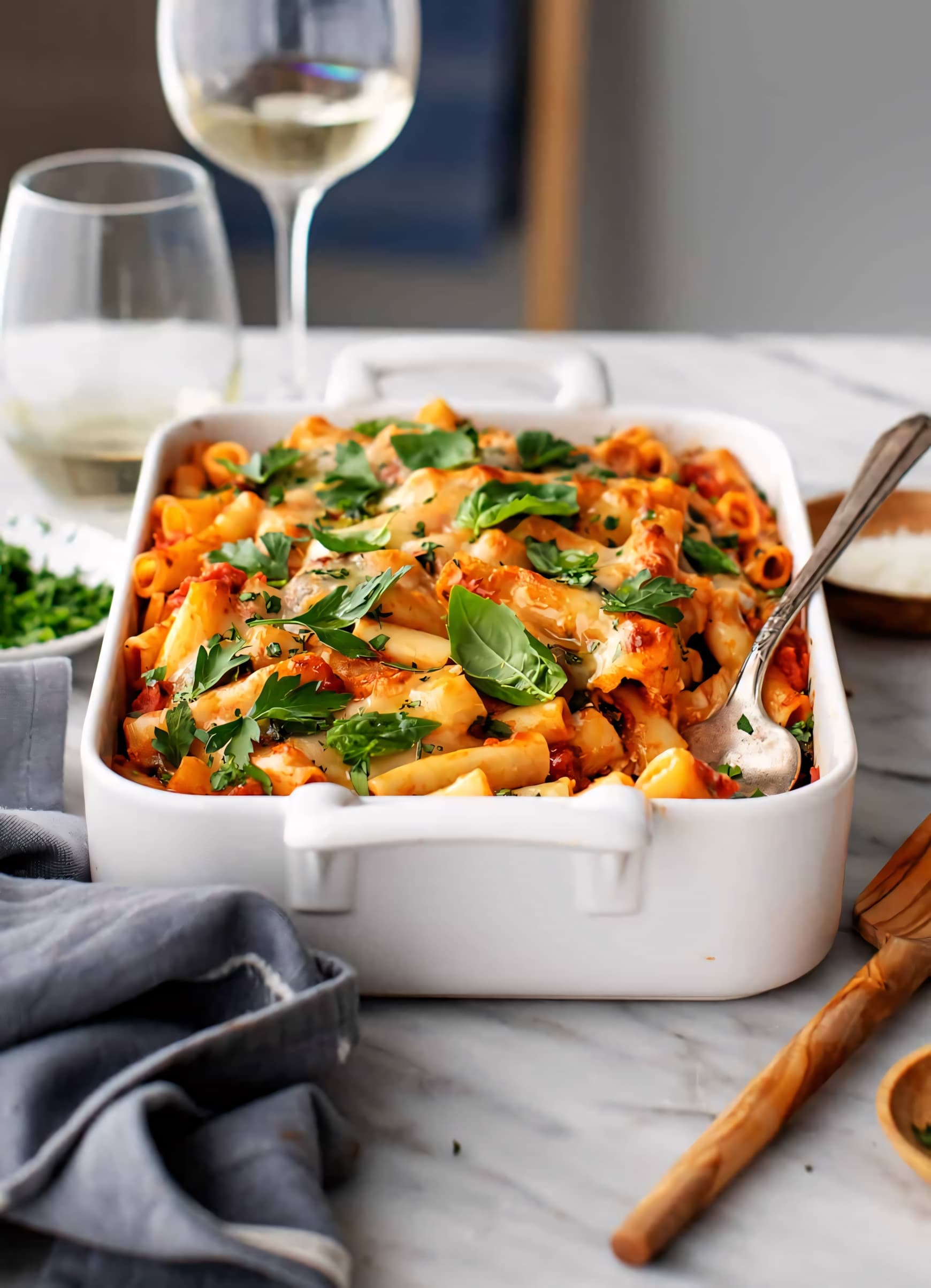
1. Favor brands that cut salt, sugar, and saturated fat without sacrificing flavor.
2. Recycle packaging rigorously and support companies experimenting with compostable materials.
3. Schedule unplugged kitchen sessions once or twice a week to prepare a recipe from scratch with friends or family.
Further studies should track long-term health outcomes, measure waste reduction strategies, and explore how shared cooking experiences affect community cohesion. Armed with that data, consumers, educators, and policymakers can refine speedy-meal culture into a force that nourishes both people and the planet.


