


The Impact of Culinary Media on Modern Food Culture and Everyday Choices
Introduction
Cooking-focused television has reshaped how society thinks about meals, turning stoves into stages and recipes into conversation starters. Through a steady stream of series that celebrate flavor, technique, and storytelling, food media has become a daily companion for millions. This article looks at how televised culinary content drives trends, guides shopping habits, and encourages home kitchens around the world.

The Evolution of Food-Focused Broadcasting
Origins and Growth
Specialty channels devoted to cooking first appeared in the early 1990s, offering round-the-clock programming that ranged from quick weeknight dinners to elaborate holiday feasts. Steady viewer loyalty and an expanding global audience soon turned these modest beginnings into a worldwide platform for gastronomic entertainment and instruction.
Programming Strategy
A balanced mix of step-by-step tutorials, friendly competitions, and personality-driven shows keeps content fresh for every skill level. By rotating classic comfort-food episodes with bold, experimental fare, programmers maintain broad appeal and invite audiences to taste new ideas without leaving the sofa.
The Influence on Culinary Trends
Well-Known Chefs and Their Reach
On-screen talent bridges the gap between restaurant secrecy and home-kitchen curiosity. When charismatic cooks share signature tricks, viewers feel empowered to recreate glossy, magazine-worthy dishes on their own counters, sparking nationwide surges in ingredient sales and themed dinner parties.

Globalization of Cuisine
Television acts like a passport, introducing regional specialties from distant continents to local pantries. Exposure to unfamiliar spices, sauces, and street-food classics encourages supermarkets to widen their shelves and diners to broaden their palates, weaving global flavors into everyday meals.
Consumer Behavior and Culinary Media
Changing Perceptions of Cooking
What was once viewed as a routine obligation is now embraced as creative downtime. Watching relaxed hosts taste, adjust, and celebrate small victories reframes cooking as an enjoyable hobby, motivating even reluctant beginners to pick up a whisk and experiment.
Impact on Food Purchasing
Featured recipes often send shoppers on ingredient treasure hunts. When a popular episode highlights an unusual grain or a time-saving gadget, demand can spike overnight, influencing product placement, pricing, and seasonal promotions across grocery chains.
The Broader Food Industry’s Response
Marketing and Advertising
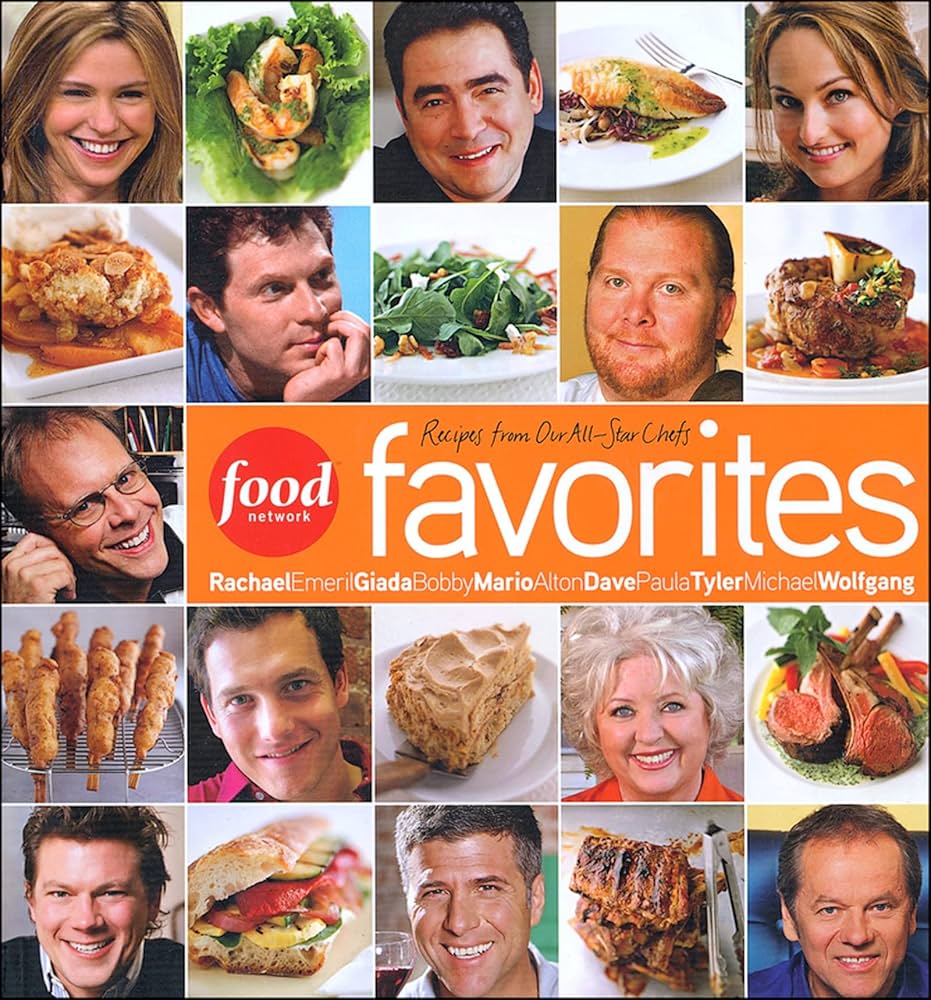
Brands align with beloved shows to showcase new releases in an organic setting. Sponsored segments, subtle countertop placements, and limited-edition co-branded items turn passive viewing into active purchasing opportunities, creating a seamless loop between entertainment and retail.
Food Industry Innovation
Producers monitor on-screen trends for clues about the next big craving. This feedback loop accelerates recipe development, packaging redesign, and fusion concepts that cater to viewers who want to taste what they just watched before the credits finish rolling.
Conclusion
Culinary media has nudged cooking from the sidelines to center stage, transforming ingredients into inspiration and weeknight dinners into creative outlets. Its ripple effects reach supply chains, restaurant menus, and family tables, proving that a well-timed television segment can change what the world eats.
Recommendations and Future Research
Continued Focus on Culinary Education
Programmers can deepen their impact by weaving practical skill-building into entertainment—teaching knife care alongside knife tricks—so viewers leave each episode more confident than when they arrived.
Expanding Global Culinary Content
Increasing the variety of regional voices keeps storytelling authentic and audiences curious. Highlighting home cooks abroad fosters appreciation for culinary heritage and encourages respectful exploration of food traditions beyond familiar borders.
Future Research Directions
Scholars could track long-term shifts in household nutrition, ingredient accessibility, and sustainability practices linked to food programming. Understanding these patterns helps broadcasters, educators, and policymakers collaborate on content that entertains while supporting healthier, more diverse plates.
In conclusion, televised culinary content has become a trusted guide in the modern kitchen, inspiring trends, shaping shopping lists, and inviting everyone—novice or seasoned—to savor the creative possibilities hidden inside the refrigerator.


