

The Art and Science of Cooking: Exploring Techniques and Nutritional Impact
Introduction
Cooking is an age-old craft that has developed alongside human culture, nutritional insight, and technological progress. From the first use of fire to today’s smart appliances, preparing food has remained central to daily life. This article surveys key facets of cooking—its methods, health effects, and cultural meaning.
The Importance of Cooking
The Role of Cooking in Nutrition
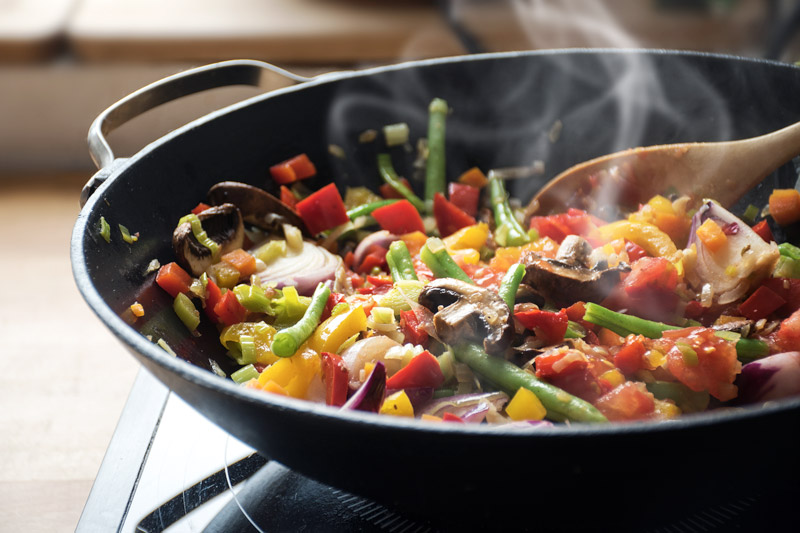
Heat not only transforms flavor and texture; it can also unlock nutrients. For example, gentle heating of tomatoes makes lycopene easier for the body to absorb, supporting heart health and cellular protection.
Preservation and Safety
Appropriate temperatures destroy many harmful microbes, lowering the risk of food-borne illness. Techniques such as simmering, roasting, or grilling extend shelf life and reduce spoilage.
Cooking Techniques
Boiling
Submerging ingredients in bubbling liquid cooks them evenly and quickly. To limit nutrient loss, use minimal water, keep cooking times short, and consume the cooking liquid when possible.
Baking
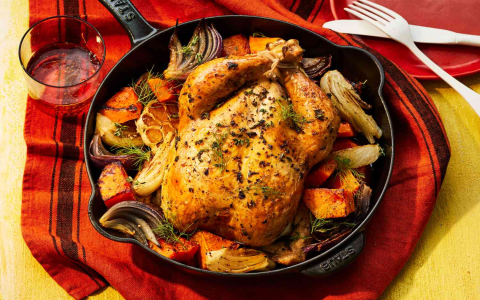
Dry heat in an oven slowly caramelizes natural sugars, building depth of flavor without added fat. This method suits breads, casseroles, and fruit-based desserts.
Grilling
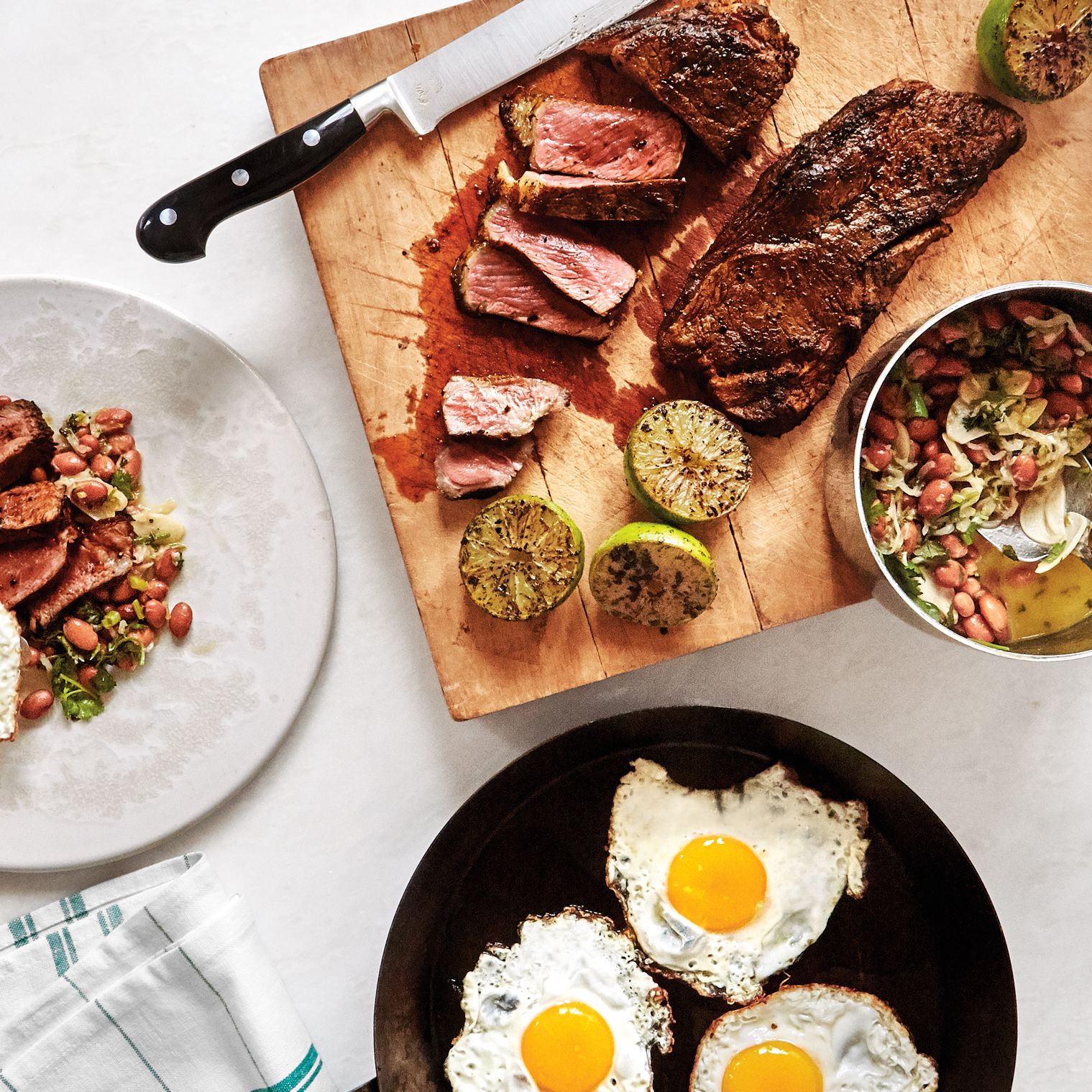
High, direct heat sears the surface, creating a smoky crust while retaining moisture. Rotate food frequently and avoid heavy charring to reduce the formation of undesirable compounds.
Steaming
Steam surrounds food with gentle heat, preserving color, texture, and water-soluble vitamins. A tight-fitting lid and uniform piece size ensure even results.
Nutritional Implications
Enzyme Changes
Heat can inactivate certain enzymes, yet it also softens plant cell walls, making minerals and antioxidants more available. The net effect depends on the ingredient and the intensity of cooking.
Antinutrients
Compounds such as phytic acid and oxalates can bind minerals in their raw state. Soaking, fermenting, or moderate cooking reduces these inhibitors, improving overall nutrient uptake.
Cultural Significance
Culinary Traditions
Every region has evolved distinctive techniques and spice palettes shaped by climate, history, and local produce. These traditions preserve identity while offering varied nutritional profiles.
Globalization and Culinary Fusion
Cross-cultural exchange introduces new pairings—think miso in marinades or turmeric in baked goods—broadening both flavor options and potential health benefits.
Conclusion
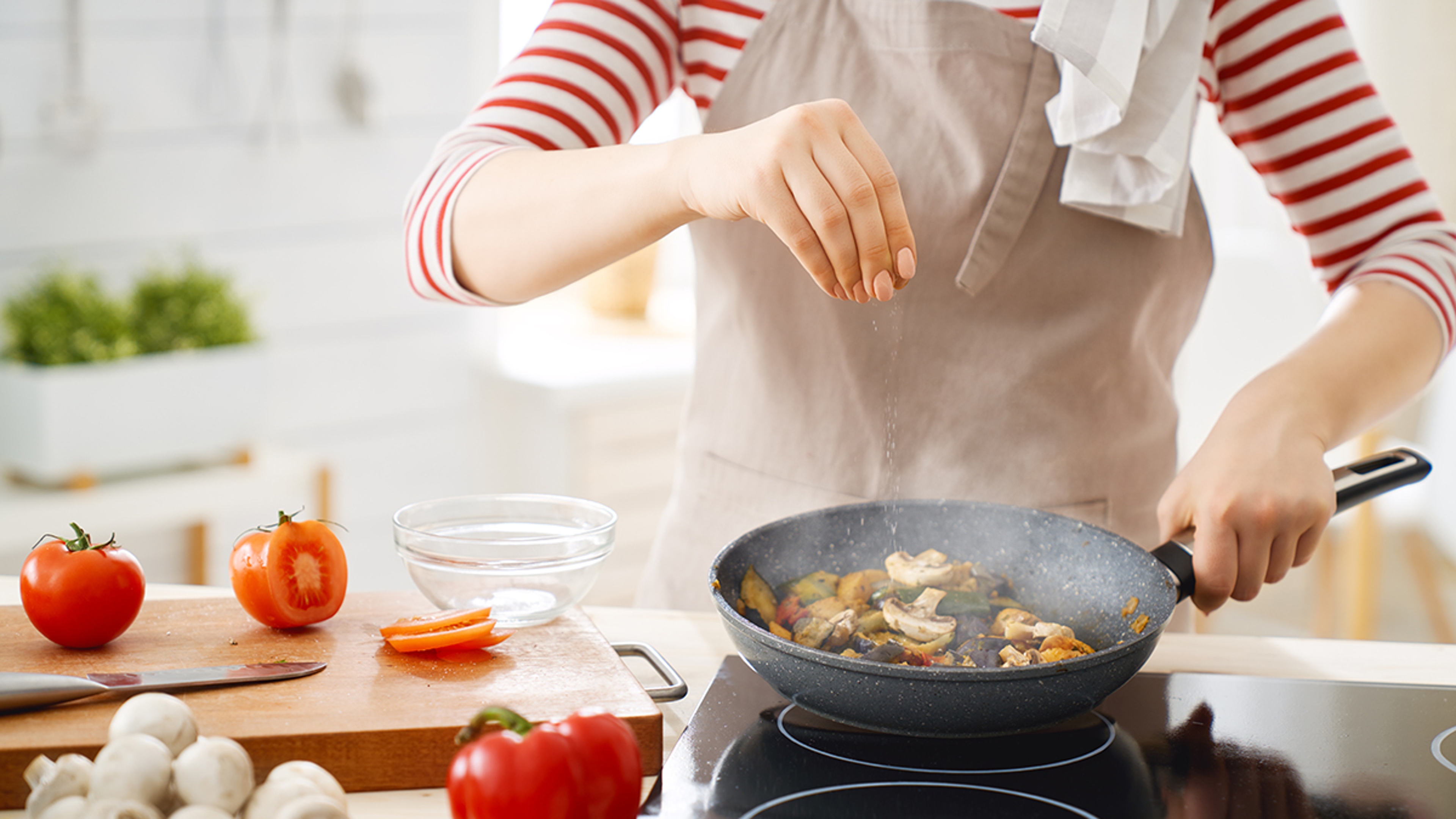
Cooking balances safety, pleasure, and nourishment. By selecting appropriate methods and respecting cultural wisdom, home cooks and professionals alike can serve meals that are wholesome, flavorful, and meaningful.
Recommendations and Future Research
Continued study could focus on:
– Refining techniques that retain nutrients without sacrificing taste.
– Measuring how different heats affect the bioavailability of vitamins and antioxidants.
– Validating the role of culinary herbs and spices in supporting well-being.
Through ongoing exploration, the timeless practice of cooking will remain a foundation of healthy, enjoyable eating.


