

The Art and Science of Food Imagery
Introduction
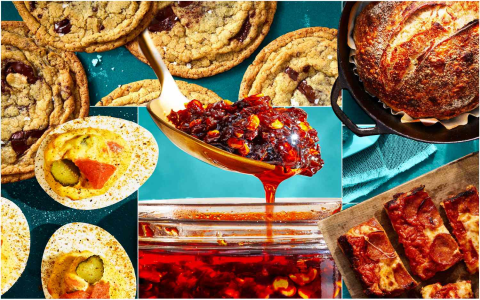
In today’s digital world, images of meals have become part of everyday life. From social feeds to recipe sites, visuals of dishes act as a universal language that inspires, informs, and influences choices. This article explores why these images matter, how they shape culinary culture, the psychology behind them, and their effect on what we buy and eat.
The Role of Food Imagery in Culinary Culture
The Power of Visual Storytelling
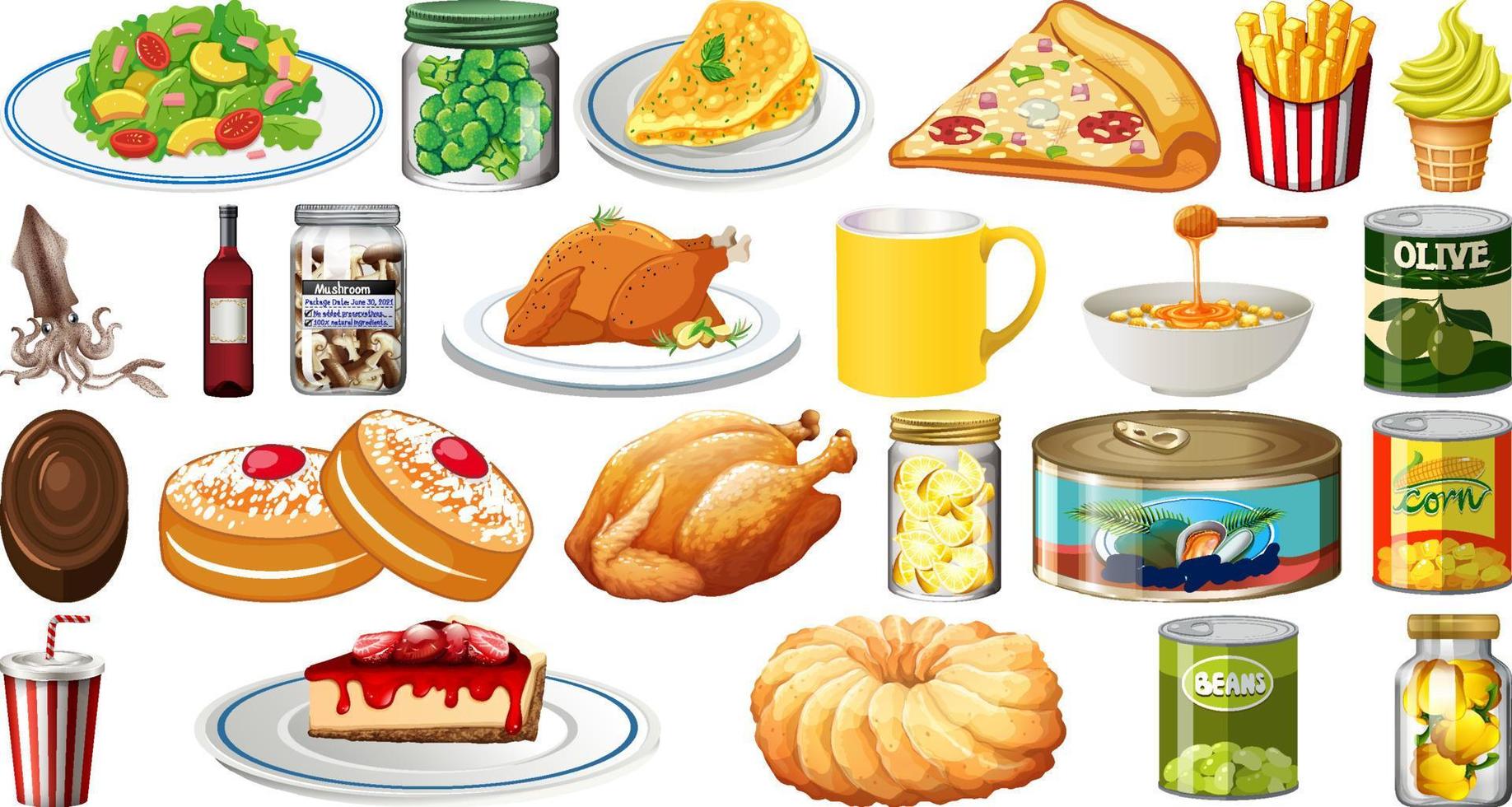
A single photograph can tell a rich story: a bright salad might suggest freshness and health, while a slow-cooked stew can feel like a hug in a bowl. Such visuals invite viewers to imagine aromas, textures, and the hands that prepared the meal, quietly teaching traditions and sparking curiosity about new cuisines.
Celebrating Diversity
Online galleries of global dishes encourage eaters to venture beyond familiar flavors. When home cooks and chefs share photos of regional specialties, they keep heritage alive and invite playful fusion, weaving a more connected and open-minded food community.
The Psychology Behind Food Photography
Evoking Emotions
Warm tones and gentle lighting can stir comfort, while crisp shadows and vivid greens signal vitality. Composition—how ingredients overlap, where empty space sits—can trigger memories of family dinners or distant travels, guiding appetite before the first bite.
The Illusion of Authenticity
A well-framed shot can make a simple sandwich feel artisanal. This “halo” of beauty shapes expectations: if it looks handcrafted and wholesome, we assume it tastes that way too, even if the kitchen behind it is far more ordinary.
The Impact of Food Imagery on Consumer Behavior
Influencing Purchasing Decisions
Appetizing photos on menus, packaging, or apps often tip the scale between “maybe” and “must try.” When visuals promise indulgence or freshness, shoppers reach faster for their wallets, and diners book tables they might otherwise have skipped.
The Role of Social Proof
Likes, shares, and glowing captions act as crowdsourced reviews. A dish that repeatedly appears in glowing feeds gains a reputation it never had to advertise, turning strangers into eager customers who want to taste the hype for themselves.
Conclusion
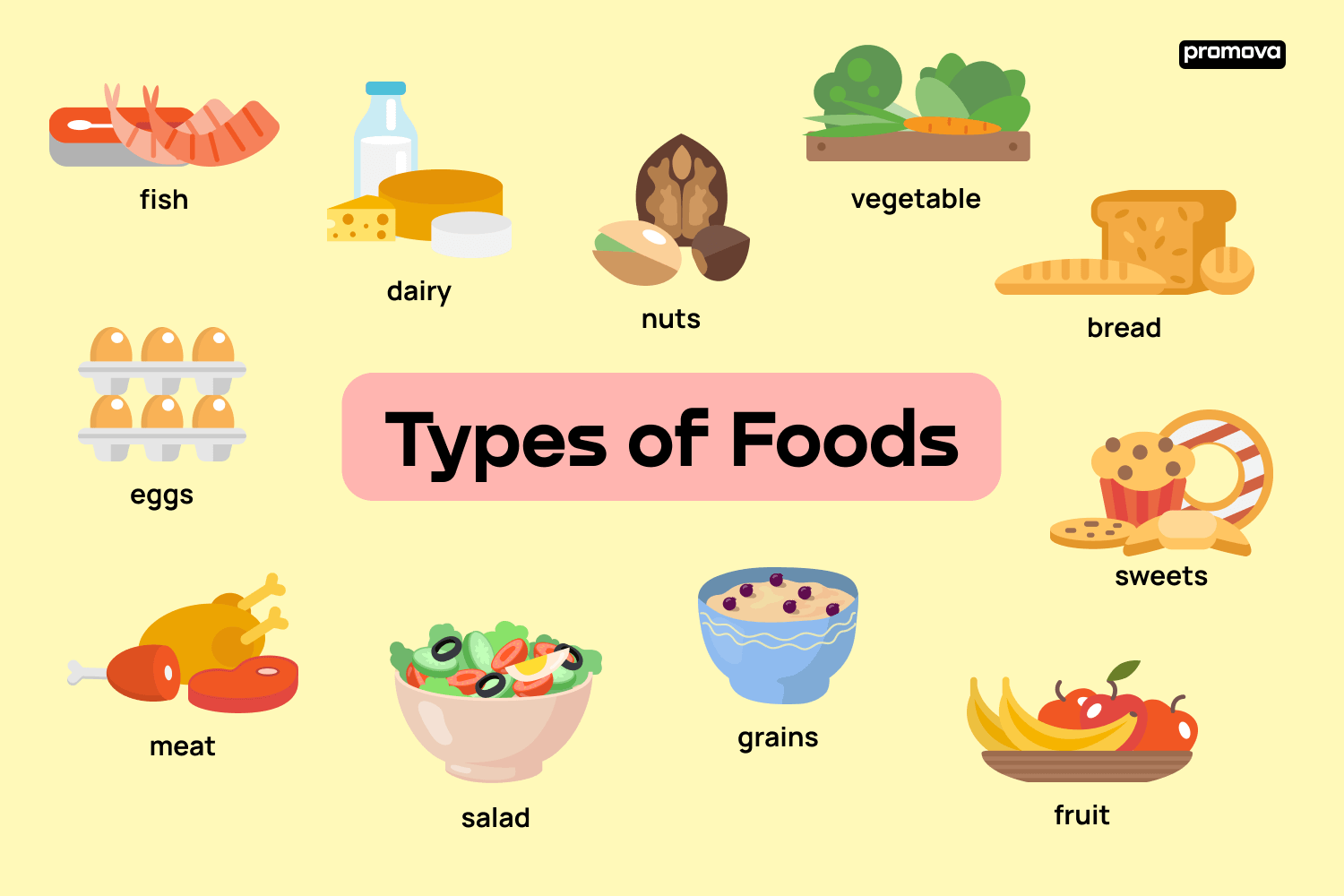
Images of food are far more than decoration; they steer emotions, narrate culture, and guide choices. By understanding the subtle cues within each frame, cooks, creators, and businesses can share meals that resonate long before they are served.
Recommendations and Future Research
To deepen the positive impact of food imagery, consider the following:
1. Cooks and photographers should co-create honest, story-rich visuals that respect the dish and its origins.
2. Brands ought to prioritize thoughtful, high-quality imagery that reflects real portions and sustainable practices.
3. Scholars can keep investigating how appetizing pictures affect mood, portion size, and long-term eating patterns.
Future studies might explore:
1. Whether constant exposure to indulgent food photos shifts dietary balance over time.
2. How imagery can spotlight plant-forward or low-waste meals without sounding preachy.
3. The ways immersive technologies like AR filters or 360-degree videos might change cooking and dining experiences.
By mindfully crafting and sharing food imagery, we continue to celebrate both the artistry and the everyday joy of eating.


