

Different Types of Meals: A Comprehensive Exploration
Introduction
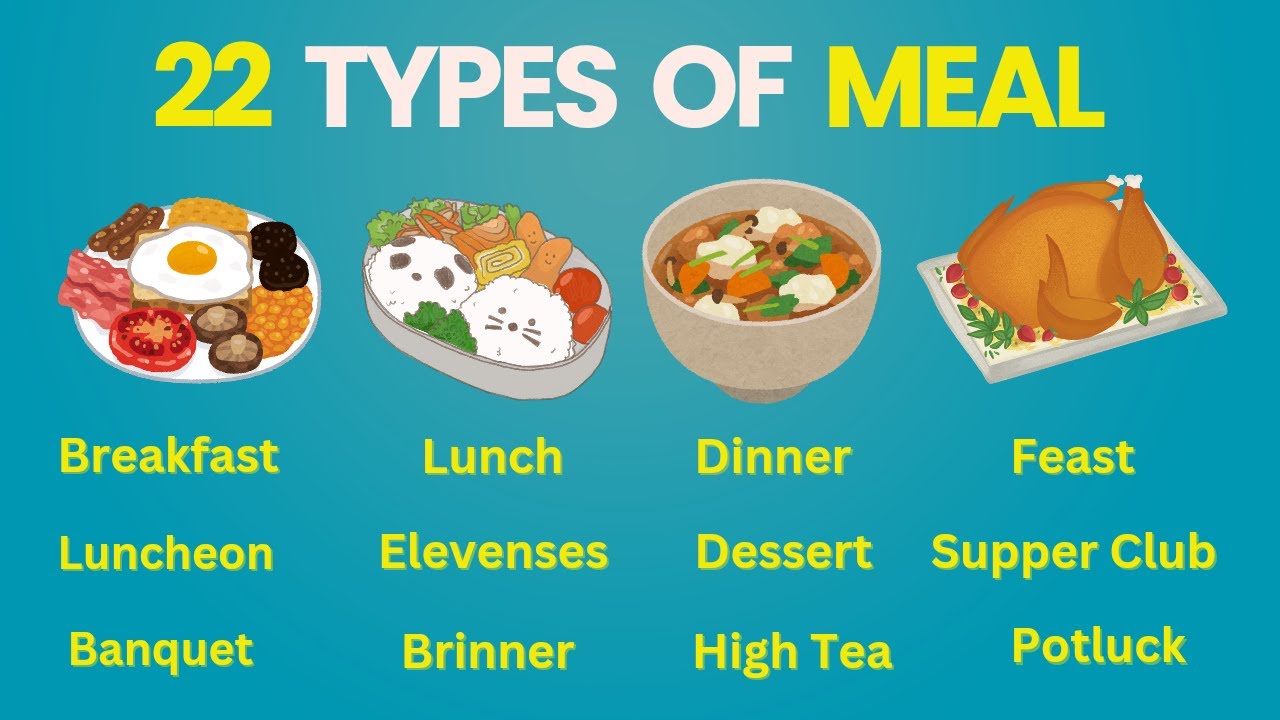
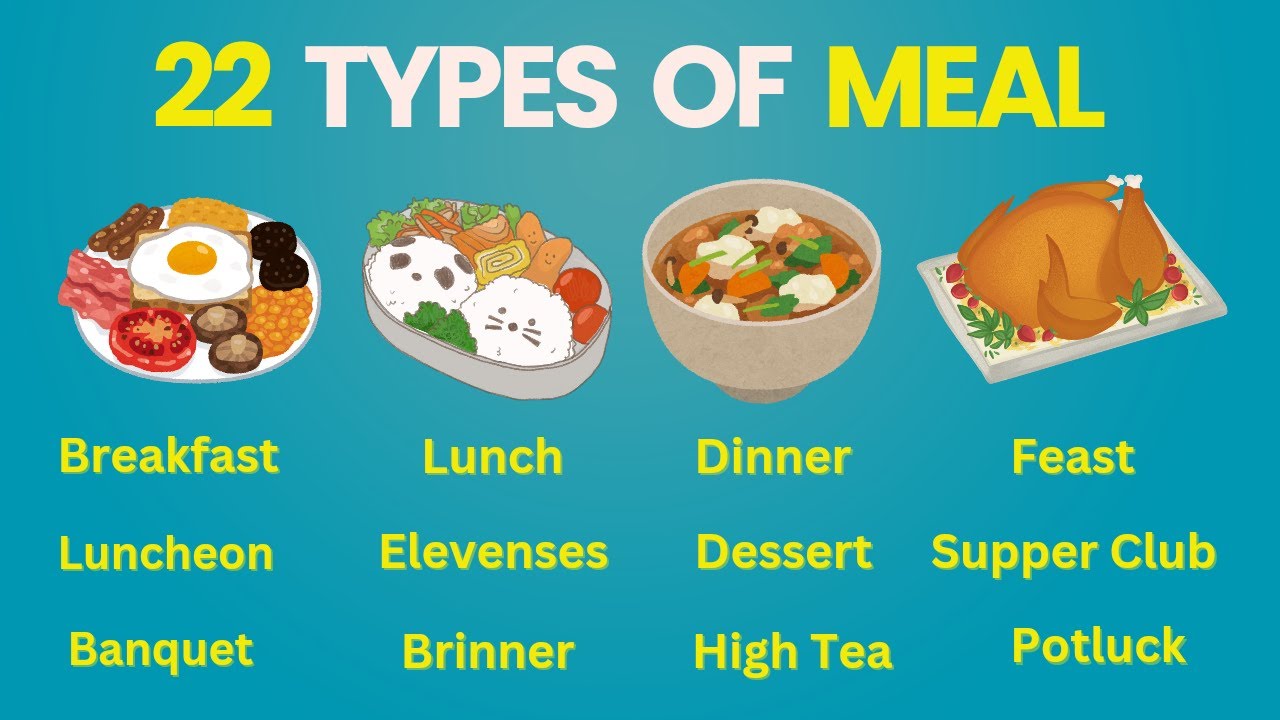
Meals have long served as both fuel and cultural expression, evolving with geography, season, and tradition. From humble grain bowls to celebratory centerpieces, the ways we cook and eat mirror our values, creativity, and daily rhythms. This overview looks at common meal categories, their nutritional roles, and the stories they carry across tables around the world.
Staple Foods: The Foundation of Meals
Staple Foods: The Foundation of Meals
Staples are the reliable backbone of countless diets, supplying the bulk of energy and basic nutrients. Grains, tubers, and pulses anchor plates from breakfast to dinner, adaptable to almost any cuisine.
Rice: A Global Staple
Rice feeds billions, steamed into fluffy mounds, stirred into creamy risottos, or rolled into bite-sized sushi. Its neutral taste makes it an ideal partner for spices, broths, and seasonal vegetables alike.
Wheat: Bread and Beyond
Wheat transforms into crusty loaves, silky noodles, and flaky pastries. Rich in complex carbohydrates and B-vitamins, it remains a comforting constant in many households.
Corn: A Versatile Grain
Corn appears as golden tortillas, butter-drizzled cobs, and airy popcorn. Naturally gluten-free, it offers fiber and antioxidants while lending sweetness and color to dishes.
Potatoes: A Staple with a Twist
Potatoes shift shapes with ease—mashed, roasted, or layered in gratins. Beneath the skin lies vitamin C, potassium, and satiating starch that supports active lifestyles.
Legumes: The Protein Powerhouse
Beans, lentils, and chickpeas deliver plant protein, iron, and gut-friendly fiber. A handful can thicken soups, extend salads, or stand alone under a shower of herbs and citrus.
Main Dishes: The Heart of Meals
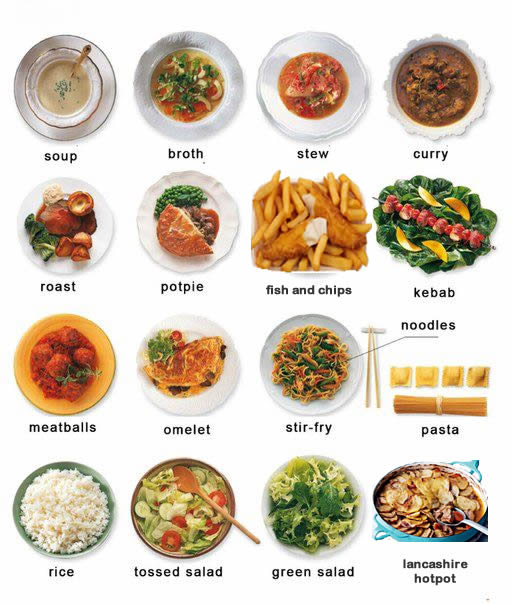
Main dishes unite protein, produce, and often a starch into one harmonious plate. They can be slow-simmered for hours or assembled quickly on a busy weeknight.
Proteins: The Building Blocks
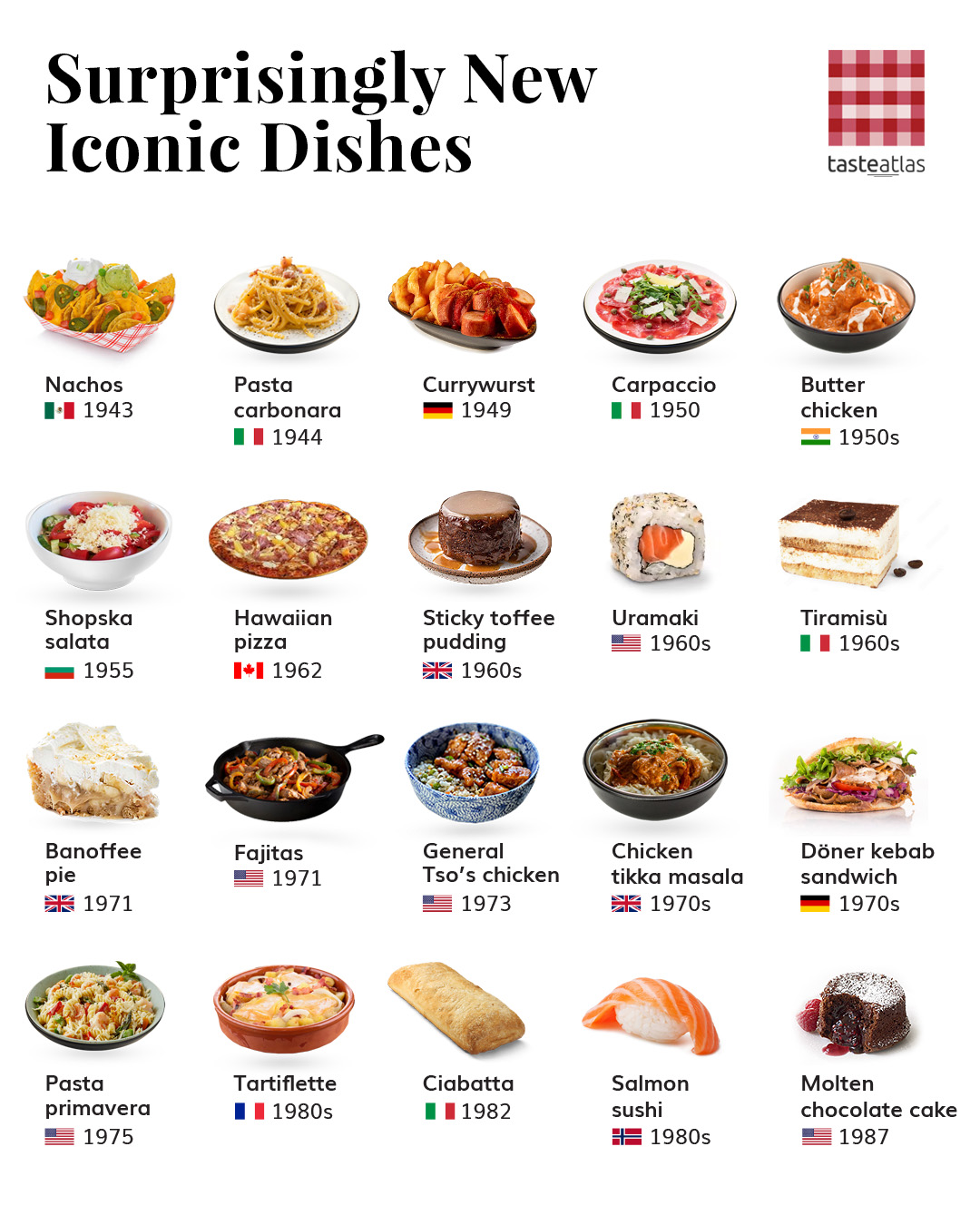
Whether grilled fish, roasted tofu, or spiced lentils, protein repairs tissue and sustains energy. Variety is key—rotating sources keeps meals interesting and nutrients balanced.
Carbohydrates: The Energy Source
Whole grains, starchy vegetables, and fruit provide glucose for brain and muscle function. Choosing minimally processed options helps maintain steady energy throughout the day.
Vegetables: The Nutrient Powerhouses
Vibrant produce adds color, crunch, and protective antioxidants. Quick steaming or a light sauté preserves texture and vitamins, while raw salads offer refreshing contrast.
Side Dishes: The Complementary Elements
Side Dishes: The Complementary Elements
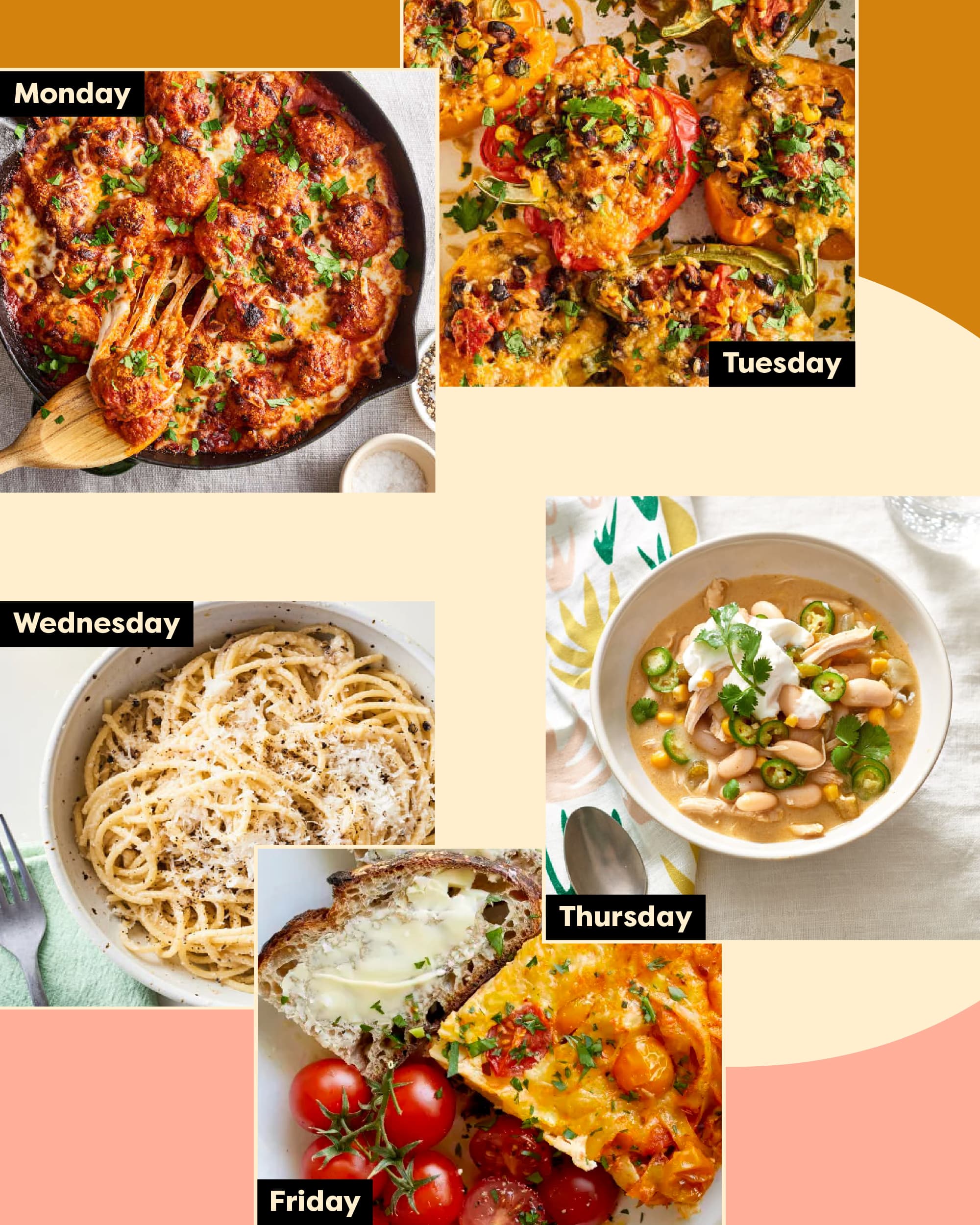
Sides lift a meal from ordinary to memorable, balancing flavors and rounding out nutrition with extra fiber, vitamins, or healthy fats.
Salads: A Healthy Addition
Crisp greens, juicy tomatoes, toasted seeds, and a bright vinaigrette can reset the palate and boost vegetable intake without heaviness.
Grains and Legumes: The Nutritious Companions
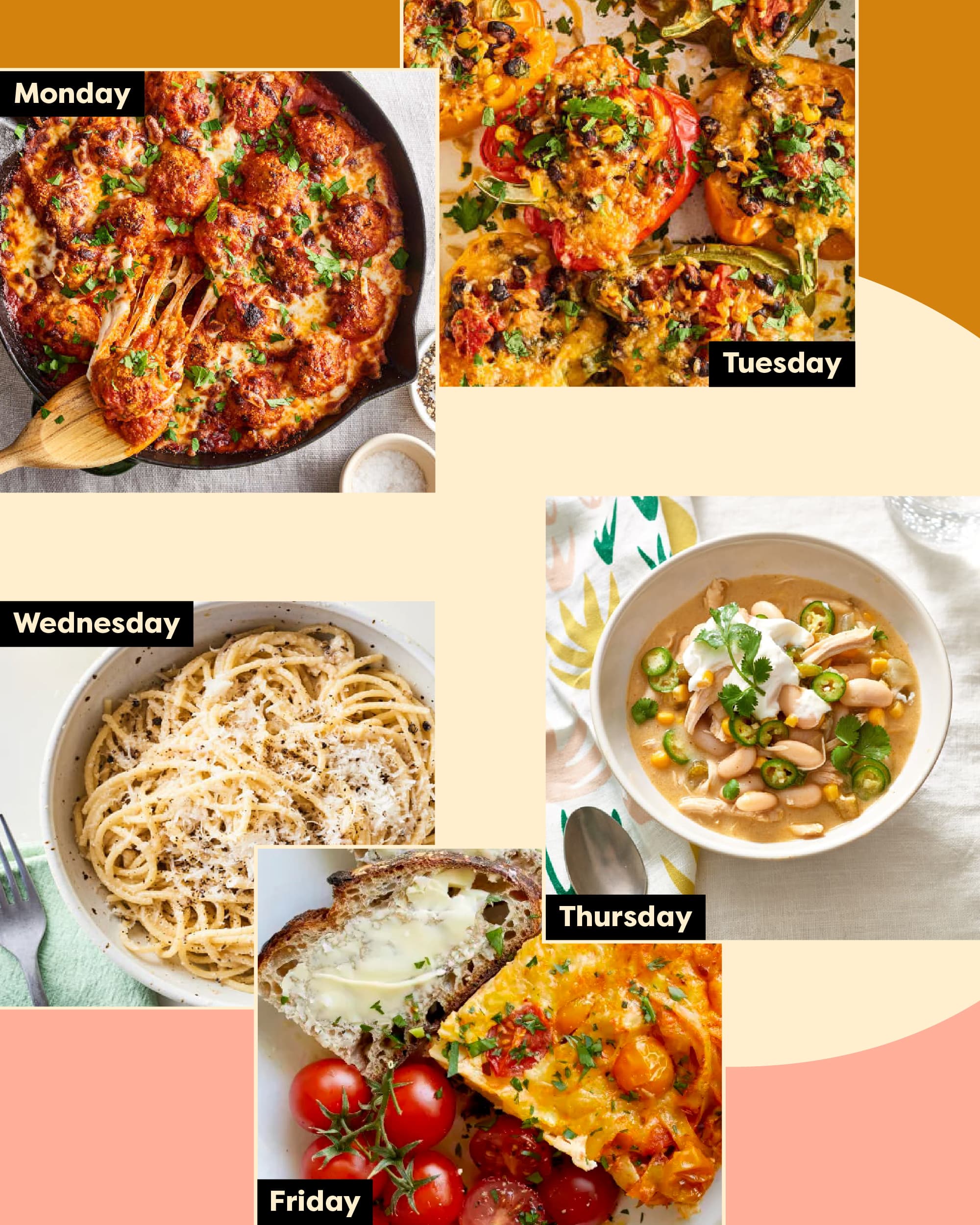
A scoop of herbed quinoa or cumin-scented lentils adds substance and plant protein, turning a light main into a satisfying feast.
Snacks: The In-Between Meals
Snacks: The In-Between Meals
Thoughtful snacks bridge hunger gaps, steady blood sugar, and prevent ravenous overeating later. Portion size and ingredient quality matter more than the clock.
Fruits: Nature’s Sweet Treats
An apple, a handful of berries, or a sliced mango delivers vitamins, hydration, and natural sweetness without added sugar.
Nuts: The Nutrient-Dense Snack
Almonds, walnuts, or pistachios supply heart-healthy fats and minerals. A small handful paired with fruit creates a balanced mini-meal.
Yogurt: A Versatile Snack
Creamy yogurt offers calcium, protein, and probiotics. Swirl in seasonal fruit or a drizzle of honey for quick, spoonable nourishment.
Conclusion
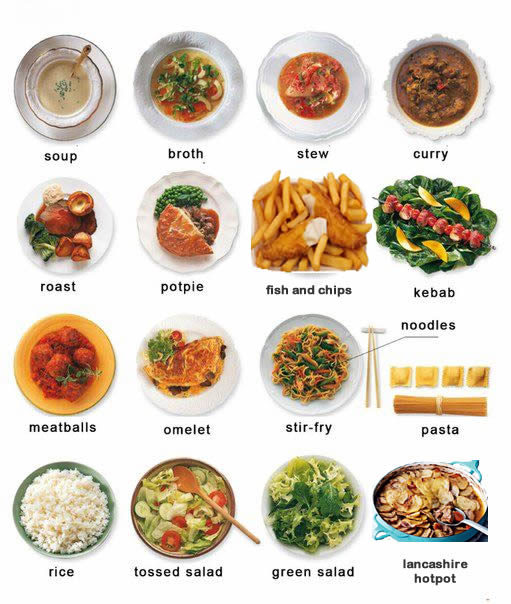
From sunrise staples to evening snacks, every eating occasion contributes flavor, nutrients, and connection. Recognizing the roles different foods play encourages balanced choices and deeper appreciation of global culinary heritage.
Recommendations and Future Research
Continued exploration could enrich our plates and knowledge:
1. How rotating staples and produce affects overall nutrient diversity.
2. Ways cultural traditions shape modern meal patterns and ingredient swaps.
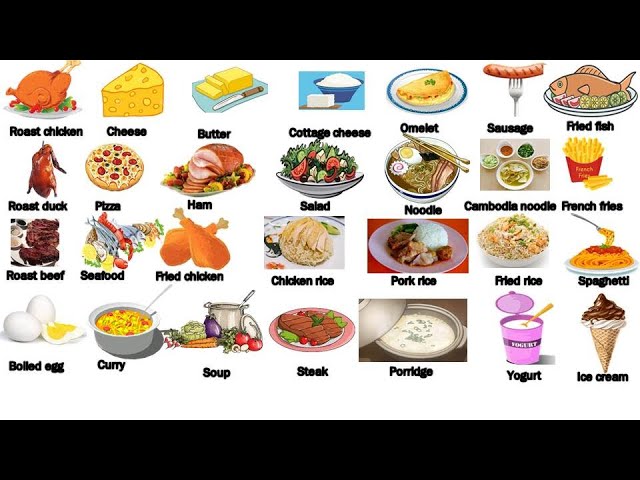
3. Innovation in convenient, nutrient-dense meals that honor both health and planet.
Pursuing these questions keeps the conversation around food dynamic, inclusive, and ever-evolving.


