


Title: How Online Recipe Hubs Are Reshaping Home Cooking
Introduction:
The explosion of digital recipe collections has quietly transformed everyday kitchens. From quick weeknight dinners to ambitious weekend projects, home cooks now turn to these platforms first, flipping the traditional cookbook model on its head. This piece looks at how that shift is changing the way we learn, share, and think about food.
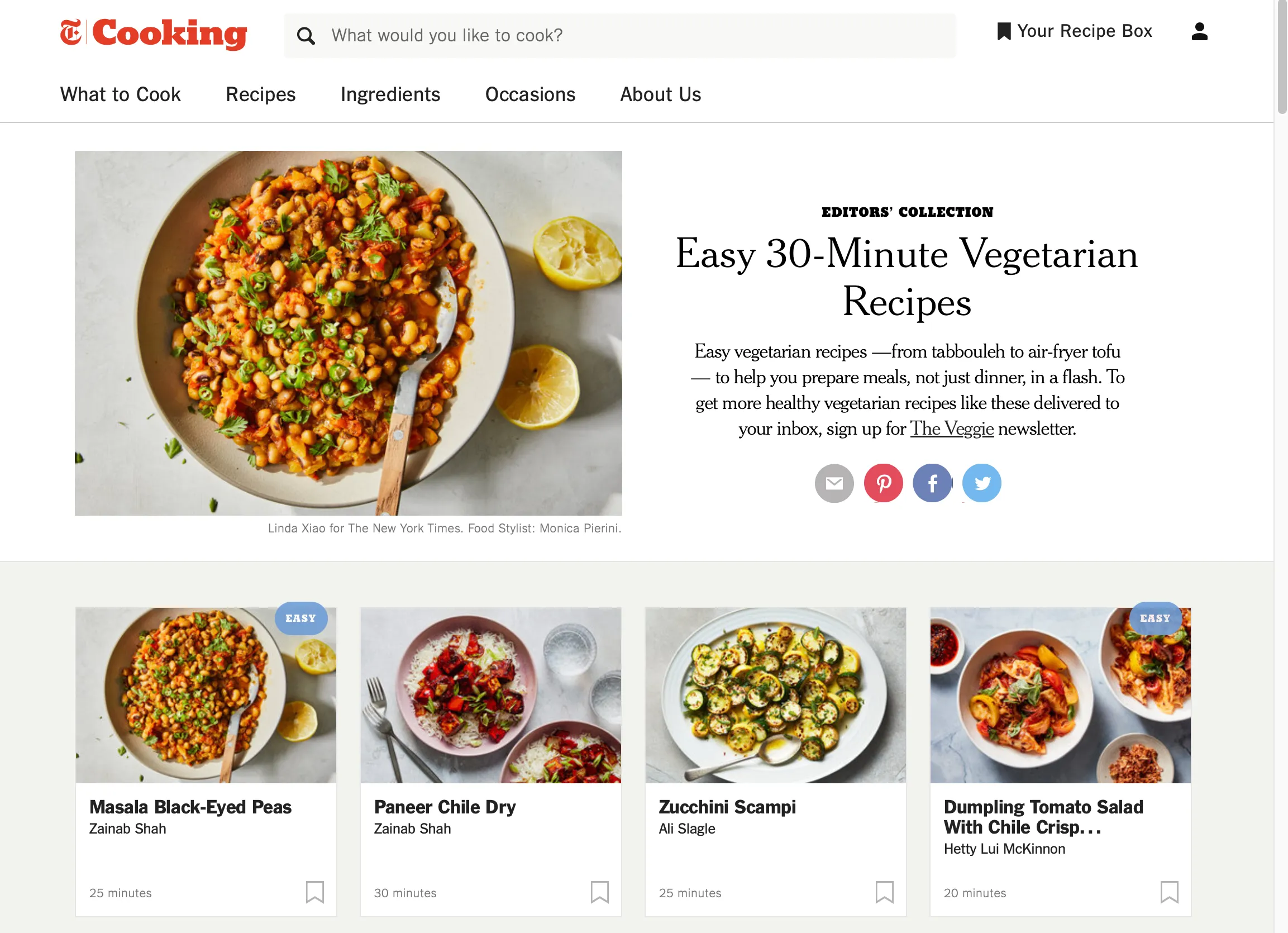
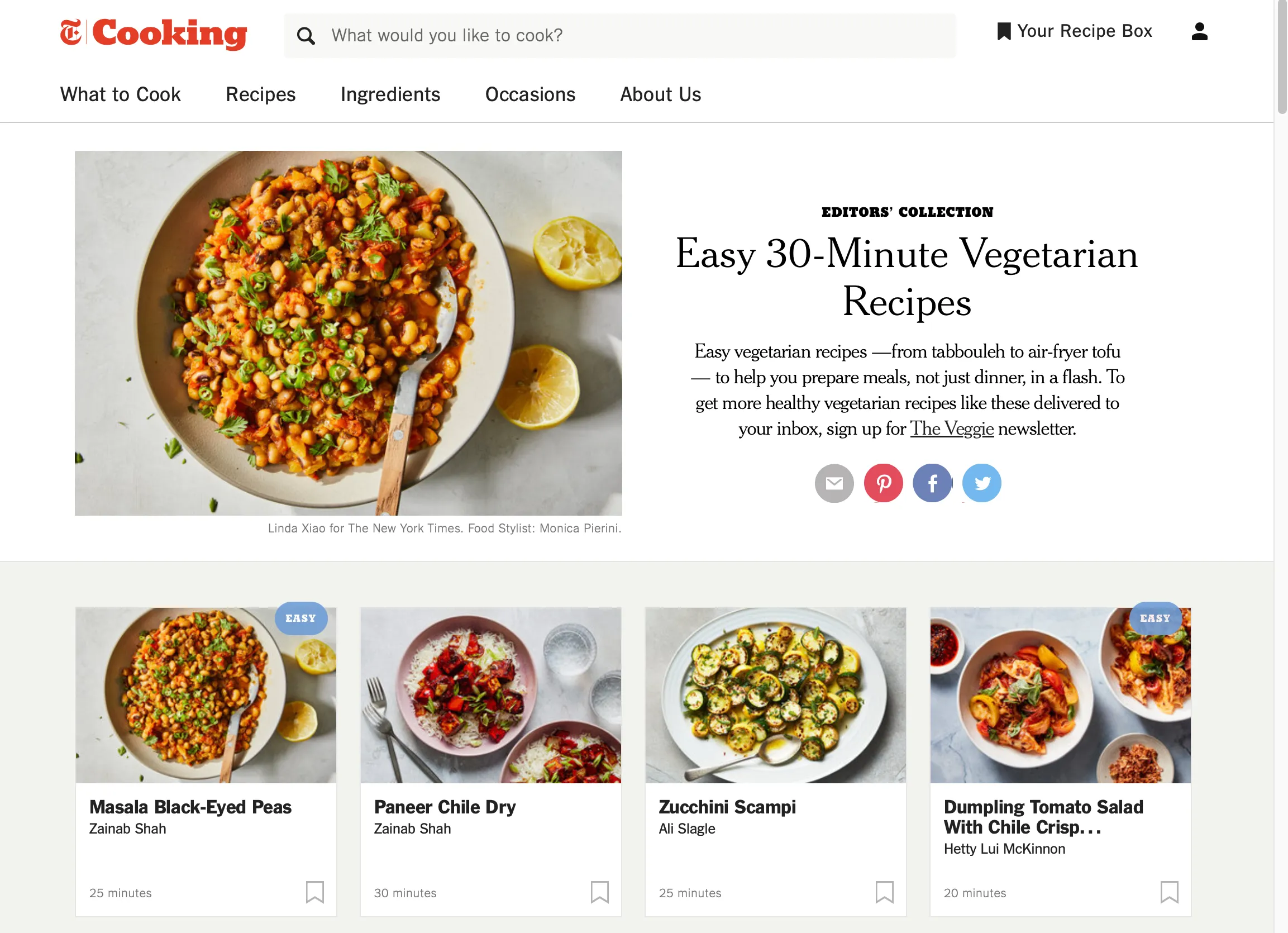
Benefits of Recipe Websites
Instant access is the obvious win. Whether you need a gluten-free birthday cake or a one-pot meal that feeds six, a search bar delivers hundreds of options in seconds. That ease invites experimentation: a student in a studio apartment can riff on Thai curry tonight and tackle handmade pasta tomorrow without investing in a library of cookbooks.
Step-by-step photos, short videos, and built-in timers turn vague instructions into visual checklists. Beginners can pause, rewind, and compare their progress in real time, shrinking the gap between “I’ve never tried this” and “I think I nailed it.”
Community and Networking
Uploading a photo of your finished dish is only the start. Comment threads fill with tweaks—swap basil for cilantro, add a pinch of smoked paprika, bake five minutes less—and each note becomes a mini-lesson for the next cook. Over time, these conversations build a living archive of collective know-how that no single author could provide.
Seasonal challenges, virtual potlucks, and themed hashtags keep the momentum going. One week the prompt is “five-ingredient dinners,” the next it’s “zero-waste desserts,” pushing creativity in friendly, low-stakes ways.
Challenges and Concerns
Quantity doesn’t always equal quality. A recipe that works for a blogger in Denver may flop at sea level in Miami, and instructions scribbled in cups won’t help someone measuring by weight. Users still need to cross-check ratios, oven quirks, and ingredient brands before betting dinner on an unknown source.
Ownership lines also blur. When a family classic gets reposted without context, the original story can vanish, along with credit to the cook who first shared it. Platforms are experimenting with clearer attribution tools, but the issue lingers.
The Future of Recipe Websites
Smart filters are getting smarter. Next-gen sites will factor in what’s already in your fridge, how much time you actually have, and even how adventurous you feel today, then generate a shortlist that feels personal without being creepy.
Sustainability tags are on the rise—think “use-up-the-spinach” badges or carbon-impact scores—nudging cooks toward choices that are kinder to the planet without sounding preachy.
Conclusion
Recipe hubs have moved cooking from a solitary chore to a shared, ever-evolving conversation. They lower barriers, spark creativity, and weave individual kitchens into a global classroom. As long as communities keep questioning, testing, and refining, these platforms will remain an open invitation to pull up a chair, preheat the oven, and join in.


