Title: The Power of Free Recipe API: Revolutionizing the Food Industry
Introduction:
In today’s connected world, the culinary landscape is changing faster than ever, and digital tools are at the heart of the shift. Among them, freely available recipe interfaces have emerged as quiet game-changers. This piece explores how open recipe platforms are reshaping home kitchens, restaurant operations, and food media—highlighting their advantages, hurdles, and the road ahead.
Understanding Free Recipe API
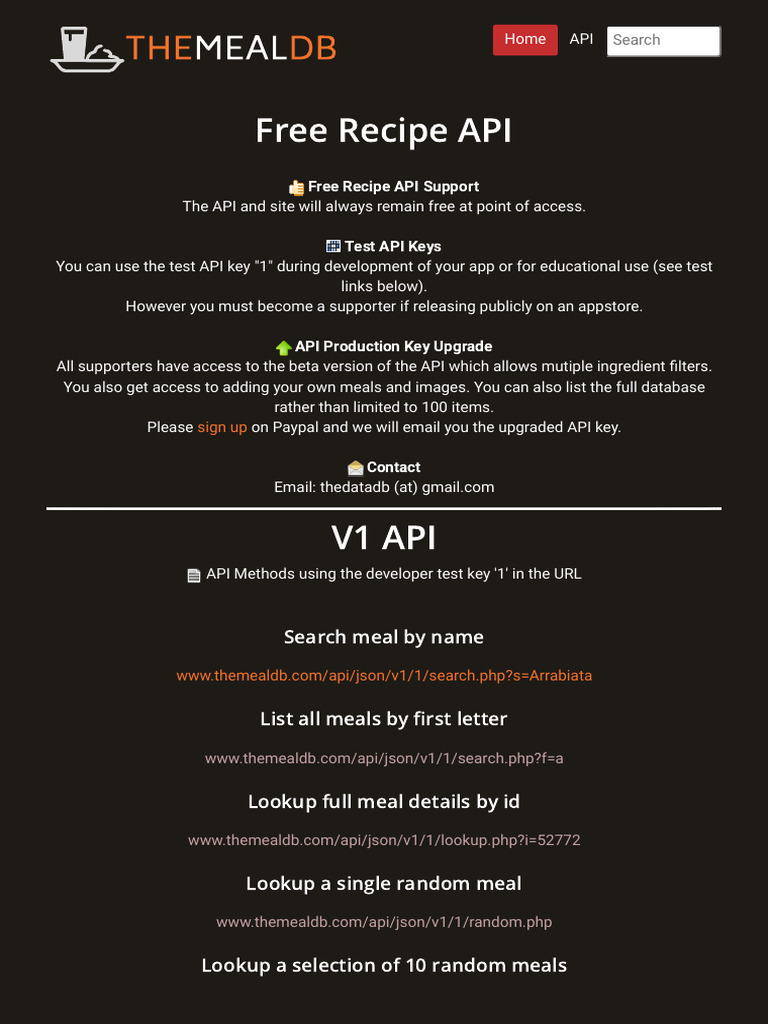
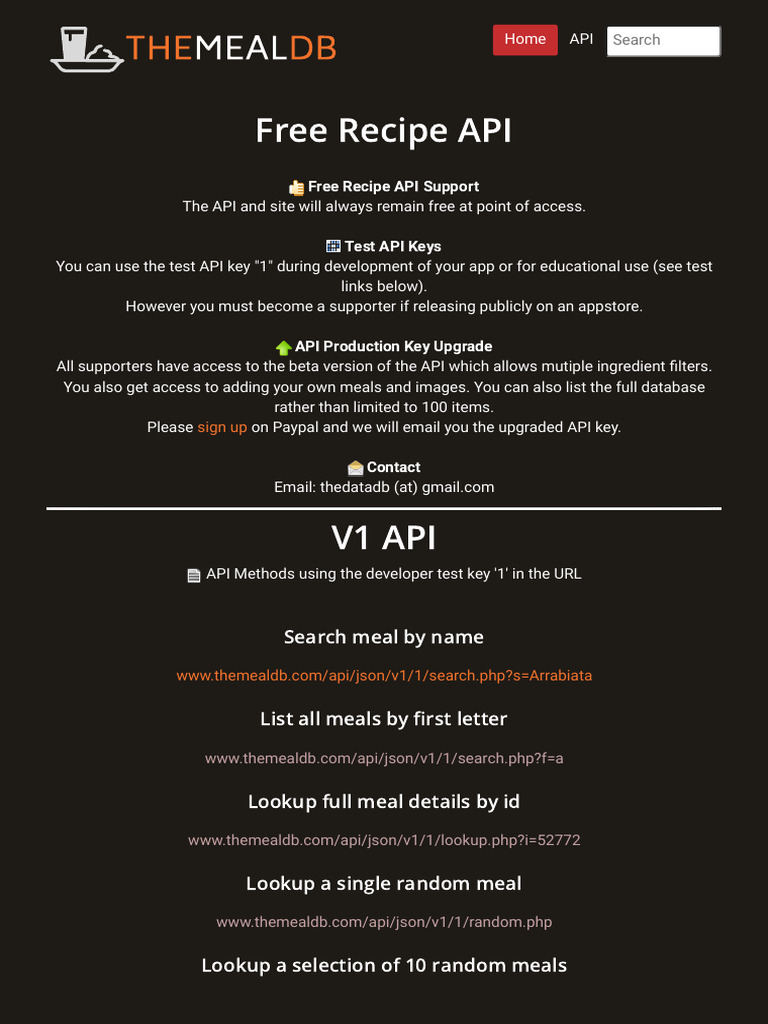
At its core, an open recipe interface is a web service that dishes out structured cooking data on demand. Developers can plug it into websites, apps, or even countertop appliances, giving end users instant access to thousands of dishes without building a database from scratch.
Typical endpoints cover search, filters, ingredient lists, step-by-step instructions, and macro-nutrient estimates, turning raw data into ready-to-cook guidance for cooks, creators, and companies alike.
Benefits of Free Recipe API
First and foremost, these interfaces collapse the time between “What should I cook?” and “Let’s start.” A single query can surface meals that match what’s already in the fridge, fit a chosen diet, or suit a 30-minute window.
The breadth of the catalog is another plus. From regional street food to plant-based desserts, users encounter flavors they might never have searched for explicitly, encouraging culinary exploration.
For commercial players, the same data can power dynamic menus, blog posts, or meal-planning newsletters, cutting content costs while keeping offerings fresh and seasonal.
Challenges and Limitations
No dataset is perfect. Recipes scraped or crowdsourced from the open web can contain errors—missing steps, incorrect oven temperatures, or vague measurements—so vetting is essential before anyone lights the stove.
Duplication is another headache. A popular chocolate-chip cookie might appear dozens of times with tiny tweaks, cluttering results and dulling the sense of discovery.
On the technical side, syncing an external feed with an existing app or POS system demands careful mapping, rate-limit handling, and fallback logic, which can stretch smaller dev teams.
Case Studies and Success Stories
A mid-sized cooking app recently embedded an open recipe feed and saw daily active users double within three months. Saved collections, one-click shopping lists, and social sharing kept engagement high and ad revenue climbing.
Elsewhere, a fast-casual chain used the same interface to rotate limited-time dishes that aligned with real-time supply and local calorie-labeling rules. The move cut food waste and lifted average order value by letting guests filter for high-protein or gluten-free choices.
The Future of Free Recipe API
Tomorrow’s interfaces will likely go beyond static lists. Expect AI-curated suggestions that learn from past ratings, pantry scans, or wearable health data, nudging cooks toward balanced weekly plans.
Tighter integration with connected ovens, scales, and refrigerators could enable guided cooking where the appliance sets its own timer and temperature after fetching the chosen recipe.
Brand partnerships may introduce sponsored chef tips or QR-code coupons that appear right beside the ingredient list, creating new revenue streams while keeping the core service free for end users.
Conclusion:
Open recipe gateways are already transforming how we decide what’s for dinner, how restaurants plan menus, and how food creators publish content. By smoothing discovery, widening choice, and lowering development barriers, they serve up value across the culinary ecosystem. Addressing accuracy, redundancy, and integration friction will determine who stays at the table as the technology matures, but the aroma of innovation shows no sign of cooling.