

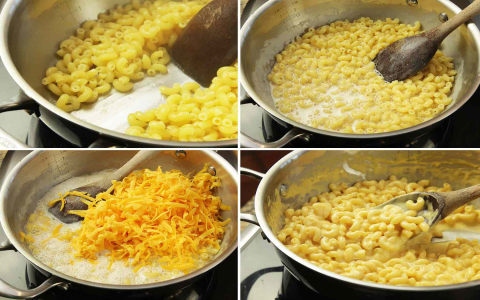
The Art and Science of Ingredient-Driven Cooking
Cooking is a timeless craft woven into every culture. At its heart lies the thoughtful use of ingredients, combined in countless ways to produce memorable dishes. Yet ingredient-driven cooking is more than following steps; it is also about grasping the science that transforms raw food into something delicious. This article looks at why ingredients matter, the principles that govern them, and how they can be harnessed to create appealing meals.
The Importance of Ingredients in Cooking
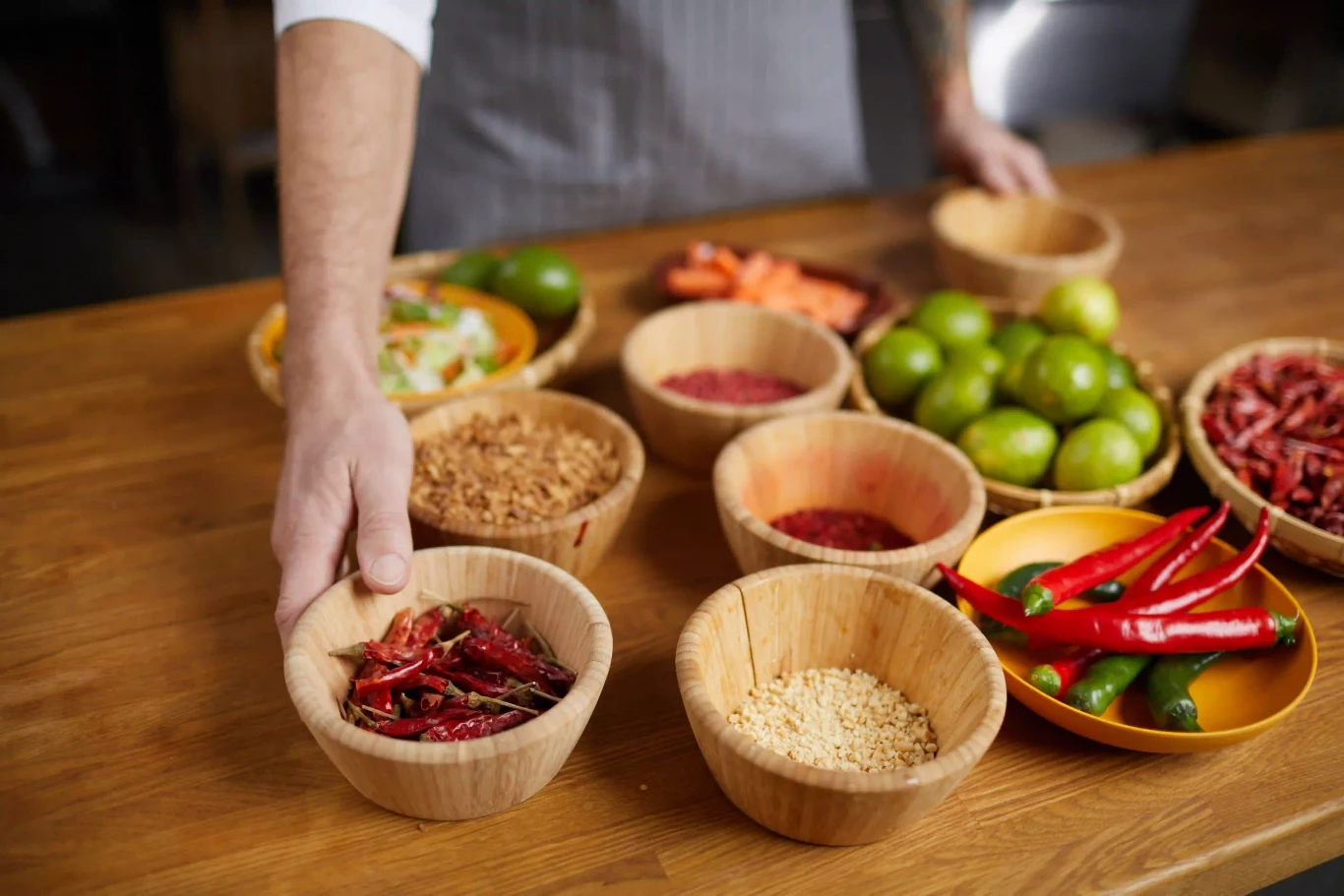
Ingredients form the foundation of every recipe. Their freshness, balance, and compatibility shape flavor, texture, and appearance. Carefully chosen items can elevate the simplest plate, while poor selections can undermine even elaborate preparations.
Quality Ingredients
Fresh, high-quality produce tastes better, keeps longer, and offers more nutrients. Vibrant vegetables, ripe fruits, and fragrant herbs deliver vitamins, minerals, and aroma that processed alternatives cannot match.
Variety of Ingredients
A wide palette of grains, legumes, proteins, and produce allows cooks to build dishes with contrasting tastes and textures. Blending colors and food groups also supports balanced nutrition and visual appeal.
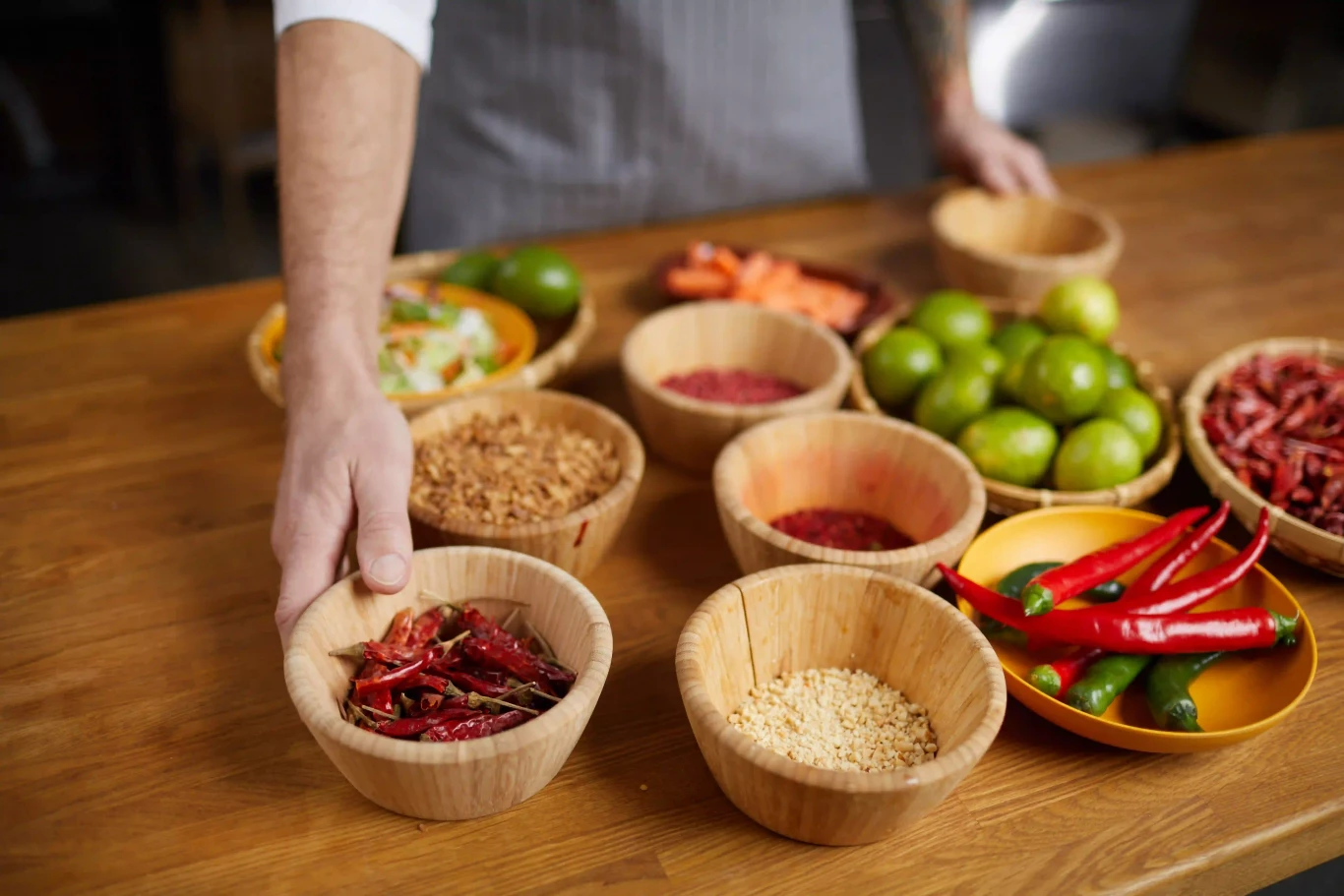
The Science Behind Ingredients
Understanding how heat, enzymes, and acidity affect food helps cooks control outcomes and troubleshoot problems. A basic grasp of these processes turns intuition into reliable skill.
Enzymes
Natural enzymes act as biological catalysts, breaking complex molecules into simpler forms. For example, amylase converts starches into sugars, influencing sweetness and browning in baked goods.
Heat
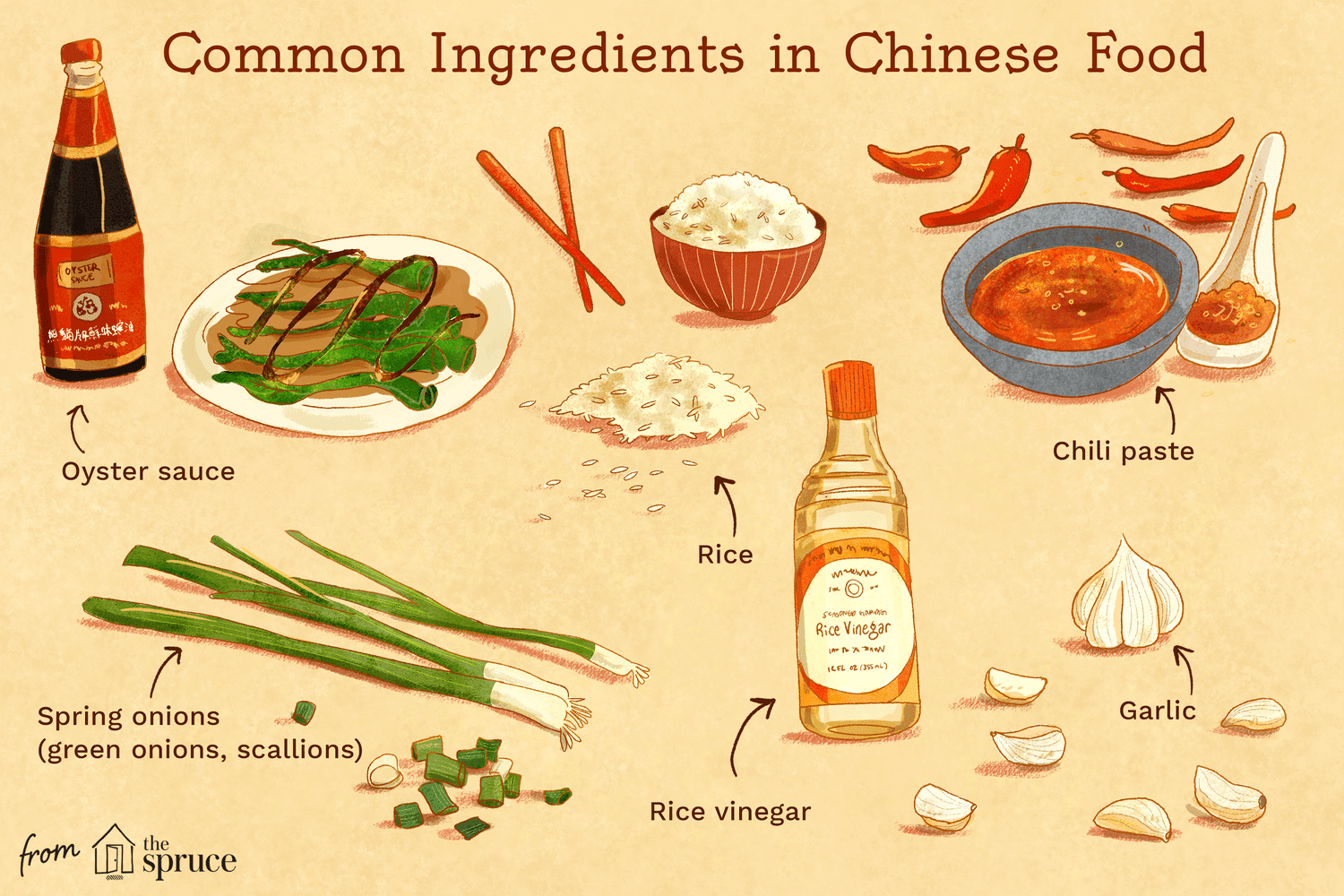
Heat triggers physical and chemical changes: proteins unfold and set, starches swell, and water evaporates. Gentle simmering keeps vegetables tender, while high heat encourages caramelization and deeper flavor.
Acidity
Acidic ingredients such as citrus or vinegar brighten flavor, preserve color, and speed tenderization. They also promote the Maillard reaction, enhancing browning and complexity in roasted or grilled foods.
Using Ingredients to Create Delicious Dishes
With quality components and scientific insight, cooks can craft dishes that satisfy on multiple levels.
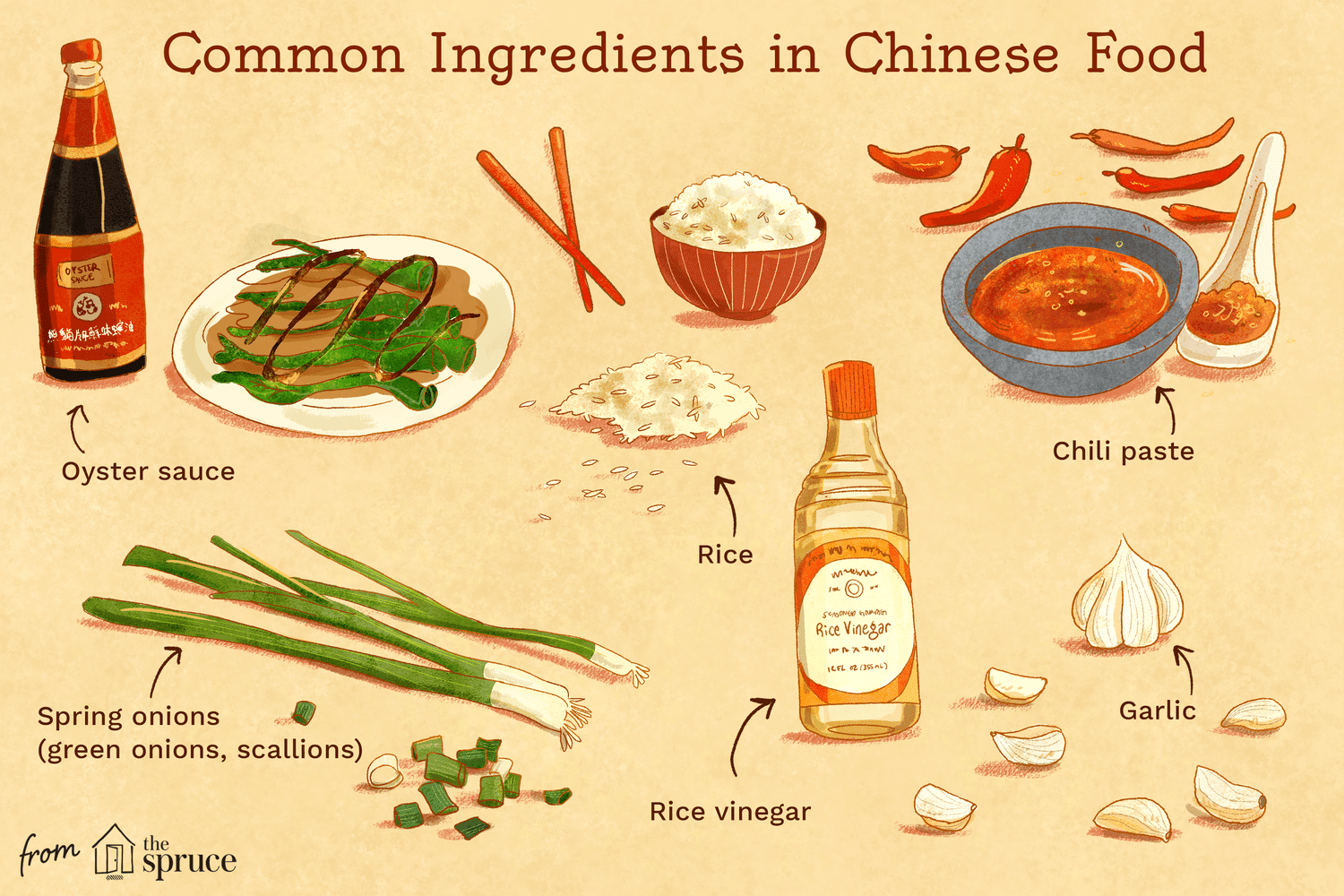
Balancing Flavors
Combining sweet, sour, salty, bitter, and umami elements produces harmony. A tangy note can lift a rich stew, while a hint of sweetness softens spicy heat.
Texture
Contrasting textures keep each bite interesting. Pairing crisp greens with creamy cheese or toasted seeds turns a simple salad into a multi-sensory experience.
Seasoning
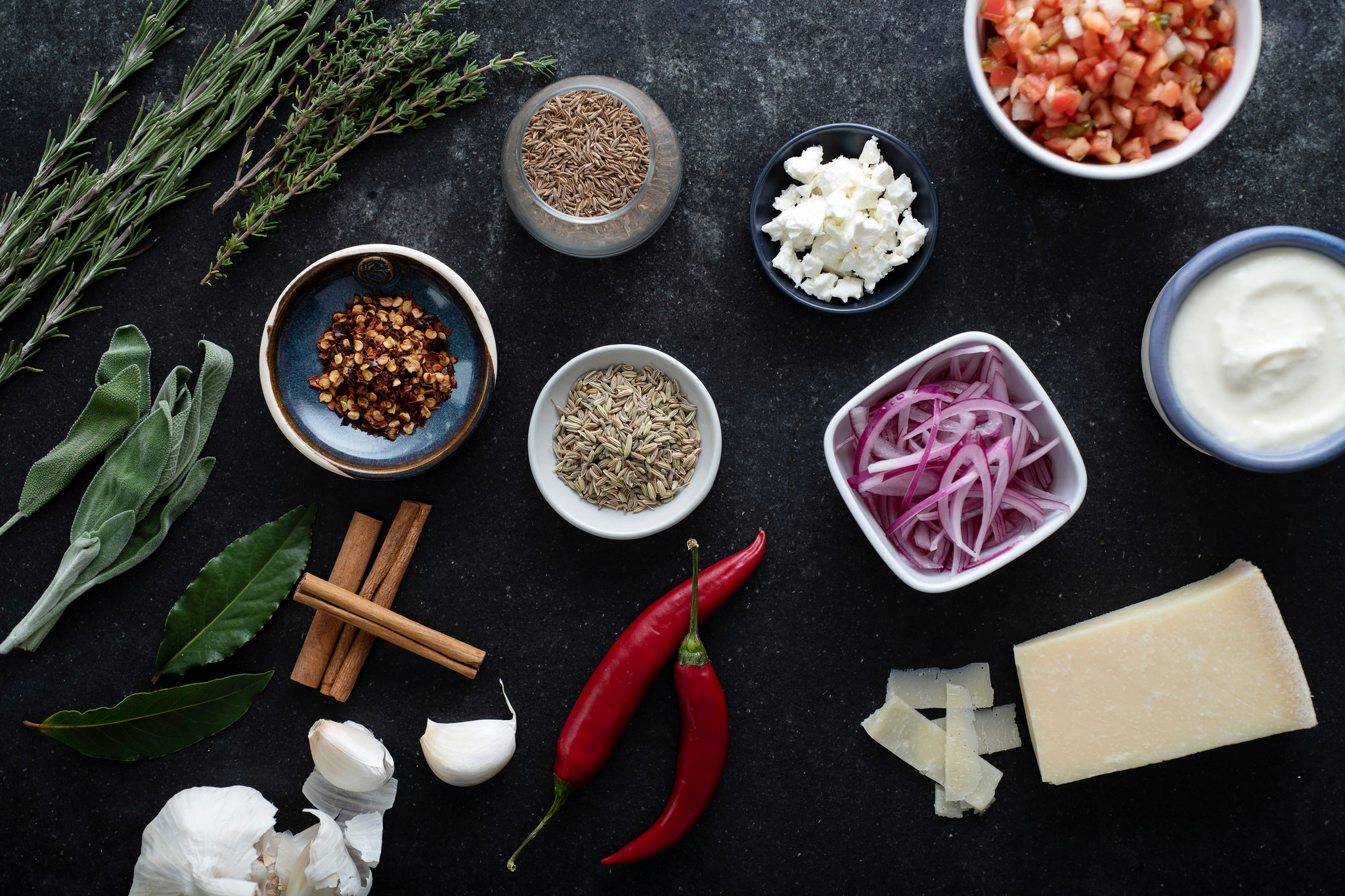
Herbs, spices, and aromatics add depth and personality. Layering seasonings throughout cooking builds complexity, while a final sprinkle of fresh herbs provides brightness just before serving.
Conclusion
Ingredient-driven cooking blends creativity with knowledge. Selecting fresh items, understanding how they behave, and balancing flavor and texture are the keys to dishes that nourish and delight. Mastering these fundamentals opens the door to endless culinary possibilities.
Future Research
Continued exploration could deepen our understanding in several areas:
1. How various cooking techniques affect nutrient retention.
2. The potential of emerging plant varieties and alternative proteins.
3. Ways technology can enhance precision, efficiency, and sustainability in home and professional kitchens.
By investigating these topics, cooks and scientists alike can refine ingredient use and create food that is ever more flavorful, healthful, and sustainable.


