Exploring the Diversity of Global Cuisine
Introduction
Food has always mirrored human ingenuity, tradition, and survival. From early cultivated grains to today’s fusion dishes, the spectrum of ingredients and preparations reveals how adaptable and creative we can be. This article surveys the variety of dishes enjoyed worldwide, tracing their roots, nutritional contributions, cultural roles, and effects on mind and body.
The Origins of Culinary Variety
1.1 Early Settlements and Staple Crops
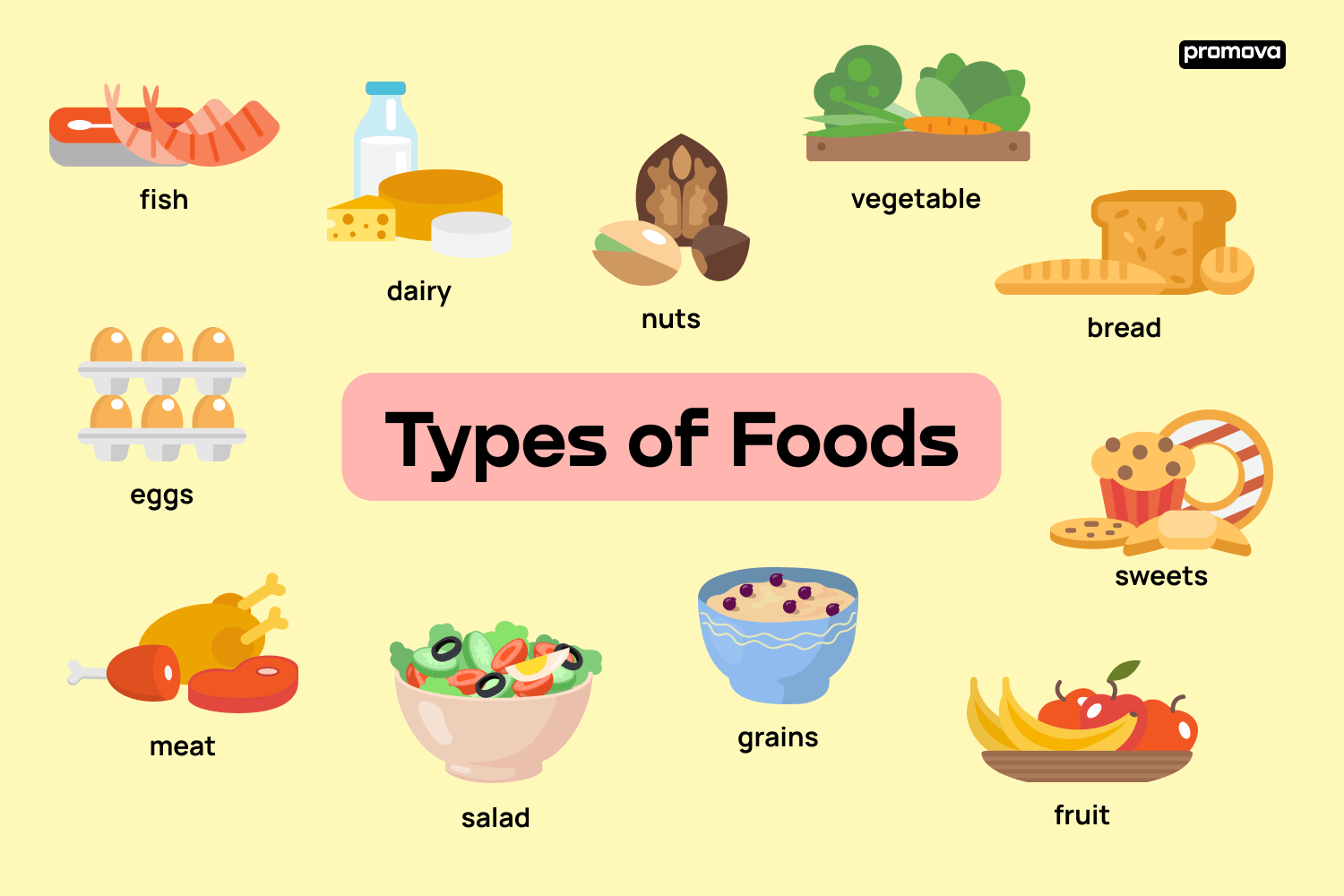
Early communities domesticated cereals and legumes that still anchor many diets. Wheat, millet, and barley sustained river-valley societies, while rice and soy became central elsewhere. These dependable staples allowed populations to grow and regional cooking styles to emerge.
1.2 Farming Beyond Borders
As cultivation skills spread, so did ingredients. Trade routes swapped seeds, spices, and techniques, widening the range of flavors on every table. Each region refined new arrivals into distinctive recipes that carried local identity.
Nutritional Contributions of Varied Dishes
2.1 Why Variety Matters
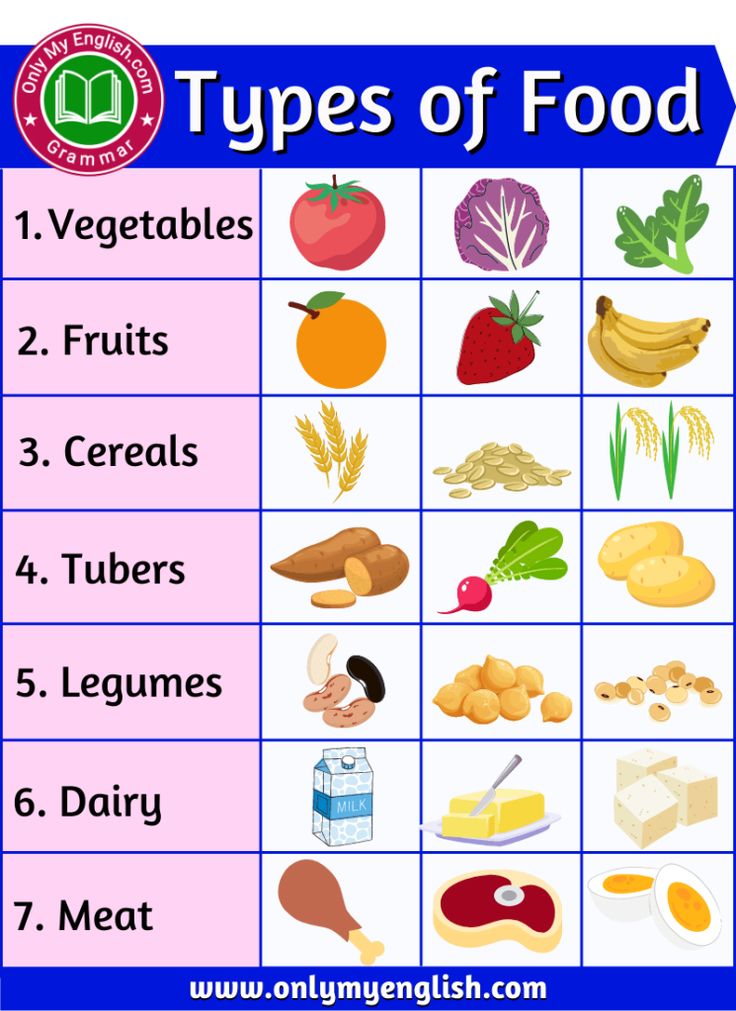
No single ingredient supplies every nutrient. Mixing vegetables, fruits, grains, and proteins covers vitamins, minerals, fiber, and healthy fats. Colorful produce offers antioxidants, while whole grains deliver steady energy.
2.2 Eating Patterns and Disease Prevention
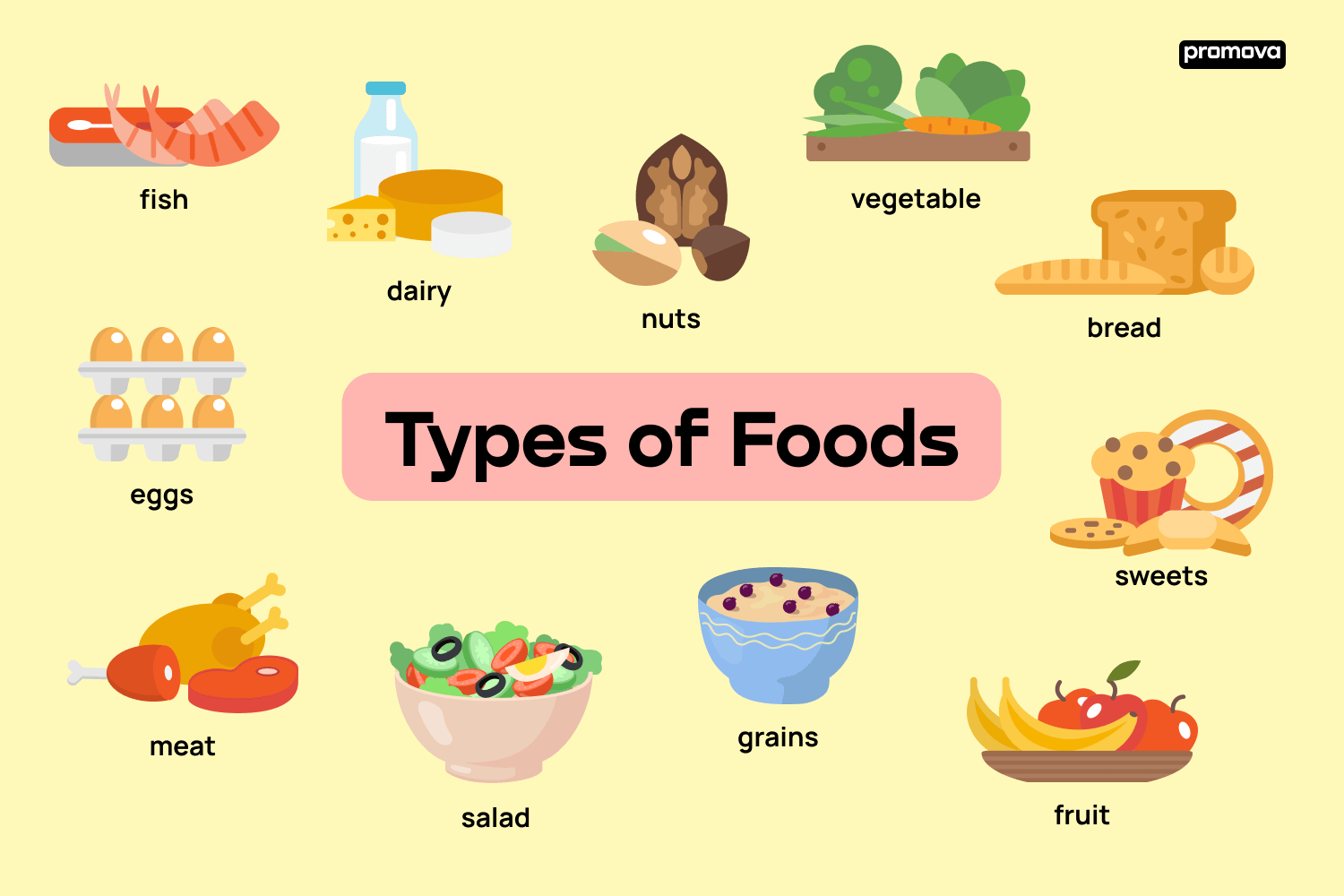
Balanced menus built around plants, moderate dairy, seafood, and unsaturated oils are linked to lower rates of chronic illness. Diverse, minimally processed choices support heart health, steady blood sugar, and robust immunity.
Cultural Meaning of Shared Meals
3.1 Identity on a Plate
Recipes pass through generations like oral history. Spicing levels, cooking methods, and serving customs express community values and memories. A dish can signal celebration, mourning, or welcome without a word being spoken.
3.2 Festivals and Gatherings
Harvest feasts, street fairs, and holiday tables spotlight signature foods, drawing visitors into local heritage. Such events strengthen social bonds and keep culinary craftsmanship alive.
Food and Overall Well-being
4.1 Mood and Mind
Nutrients such as omega-3 fats, B-vitamins, and magnesium support brain chemistry. Regular, balanced meals stabilize blood sugar, helping concentration and emotional balance.
4.2 Safe Handling
Good hygiene, proper storage temperatures, and thorough cooking prevent spoilage and foodborne illness. Simple habits—washing produce, separating raw and cooked items, and refrigerating promptly—protect health.
Conclusion
Culinary diversity is more than pleasure for the palate; it is a living record of adaptation, creativity, and community. Recognizing the background, nutrition, and symbolism of what we eat encourages thoughtful choices that nourish both body and culture.
Recommendations and Future Research
Continued exploration could focus on:
– How dietary variety influences public health across regions.
– Ways shared meals foster inclusion and mutual understanding.
– Innovations that make food systems more sustainable and resilient.
Pursuing these questions will deepen appreciation for the colorful array of dishes that enrich daily life.