

The Rich Tapestry of Global Cuisines: A Culinary Journey
Introduction
Food is the heartbeat of every culture, echoing centuries of history, tradition, and community spirit. From bustling night markets to quiet village kitchens, each culinary tradition whispers its own story. This article invites you on a gentle tour through the world’s kitchens, celebrating the flavors that unite us and the differences that make every table unique.
The Origins of Culinary Traditions
Cooking began when our ancestors first leaned over a flame and realized that heat could transform. Over millennia, landscapes shaped palates: coastal peoples embraced the catch of the day, mountain communities perfected slow-simmered stews, and fertile plains became cradles of grain-based comfort. Every recipe still carries the memory of the soil, weather, and hands that first imagined it.
Ancient Civilizations and Their Kitchens
Long before cookbooks, Egyptian bakers balanced spices in clay ovens, Greek gatherings centered on shared olive branches, and Roman tables celebrated the simple marriage of bread, oil, and wine. These early meals laid quiet cornerstones for the Mediterranean way of eating that still feels like sunshine on a plate.
Trade Routes and Tastes
When merchants traveled, their sacks held more than silk and salt; they carried cumin, saffron, and the idea of rice. A single ingredient crossing a desert or sea could forever change a regional palate, turning unfamiliar seeds into beloved national staples.
The Diversity of World Cuisines
Across continents, kitchens speak in different accents yet share a common grammar of warmth and generosity.
Asian Flavors
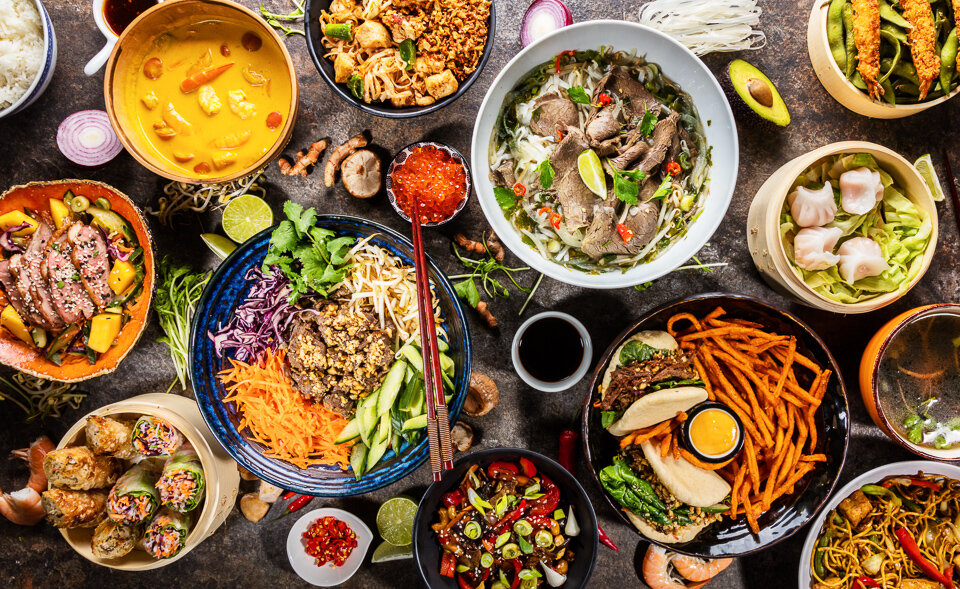
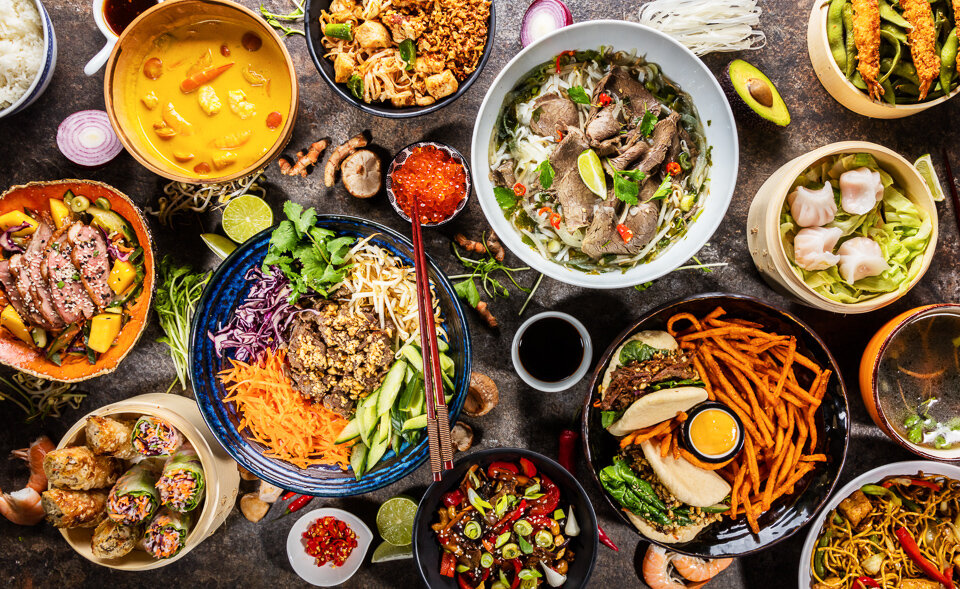
From the comforting steam of a bamboo basket to the bright sparkle of lime and chili, Asian cooking balances fire, fragrance, and texture. Soy, ginger, lemongrass, and coconut weave together in dishes that soothe and excite in the same breath.
European Tables
Europe’s cuisines read like a patchwork quilt: one square offers buttery pastry, another rustic loaves, yet another the bright acidity of tomato and basil. Each region guards its grandmother’s technique, yet all agree that meals are best lingered over, preferably with conversation as rich as the sauce.
African Kitchens
African cooking pulses with color and community. Millet, yam, plantain, and okra appear in stews that simmer while stories are told. Spices arrive in layers—earthy, sweet, and sometimes fiery—reminding diners that generosity can be measured in the depth of flavor.
American Melting Pots
From maple-kissed mornings to smoky backyard afternoons, the Americas celebrate abundance. Indigenous crops meet global influences, creating plates where corn, beans, and squash dance with new spices and techniques carried across oceans.
The Impact of What We Eat
Meals do more than satisfy hunger; they shape days, identities, and memories.
Health and Wholeness
A rainbow of vegetables, fragrant herbs, and balanced portions quietly protect hearts and minds. Traditional patterns—whether built around olive oil, fermented cabbage, or leafy greens—offer time-tested guides to feeling at home in one’s body.
Cultural Identity
Recipes passed from parent to child are edible heirlooms. A single aroma can summon grandparents’ kitchens, festival mornings, or the first day of harvest, anchoring people to place and past faster than any map.
Social Connection
The simple act of sharing bread dissolves barriers. Strangers become friends over a communal bowl; families reset their rhythm around a weekly supper. Every cuisine carries this quiet superpower: the ability to gather.
Conclusion
Our planet’s kitchens form a living library written in spices, steam, and laughter. By tasting thoughtfully, we borrow each other’s stories and return them enriched. The table, after all, is large enough for every tradition to pull up a chair.
Recommendations and Future Research
Curiosity is the best seasoning. To keep the conversation going, consider these gentle next steps:
1. Host a potluck where guests bring a dish that reminds them of home, along with the story behind it.
2. Visit local markets and ask vendors how they prepare unfamiliar produce; carry their wisdom back to your own stove.
3. Explore plant-forward versions of classic meals, discovering how tradition can evolve while honoring its roots.
4. Document family recipes—measurements may vary, but memories deserve a permanent place at the table.
By continuing to stir, taste, and share, we keep the world’s culinary tapestry vibrant, one gentle bite at a time.


