

DIY Recipe Book Ideas: A Comprehensive Guide to Creative Cooking
Introduction
Cooking is a timeless art that brings people together across cultures. As fast food and ready meals dominate daily life, many are rediscovering the satisfaction of preparing dishes from scratch. Handmade recipe collections are enjoying a resurgence, blending imagination with practical know-how. This guide explores inspiring ways to build your own cookbook, highlighting the rewards of turning simple ingredients into memorable meals.
The Importance of DIY Recipe Books
Personal cookbooks offer several advantages for cooks of every level. They invite experimentation with flavors and methods, turning the kitchen into a creative playground. Recording successes—and even the occasional flop—builds confidence and creates a living document of culinary growth. In addition, planning dishes around what is already in the pantry can cut grocery bills and lessen kitchen waste.
Types of DIY Recipe Books
1. Theme-Based Recipe Books
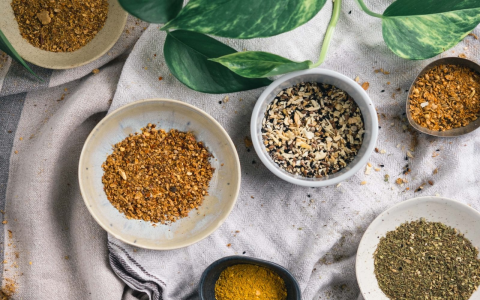
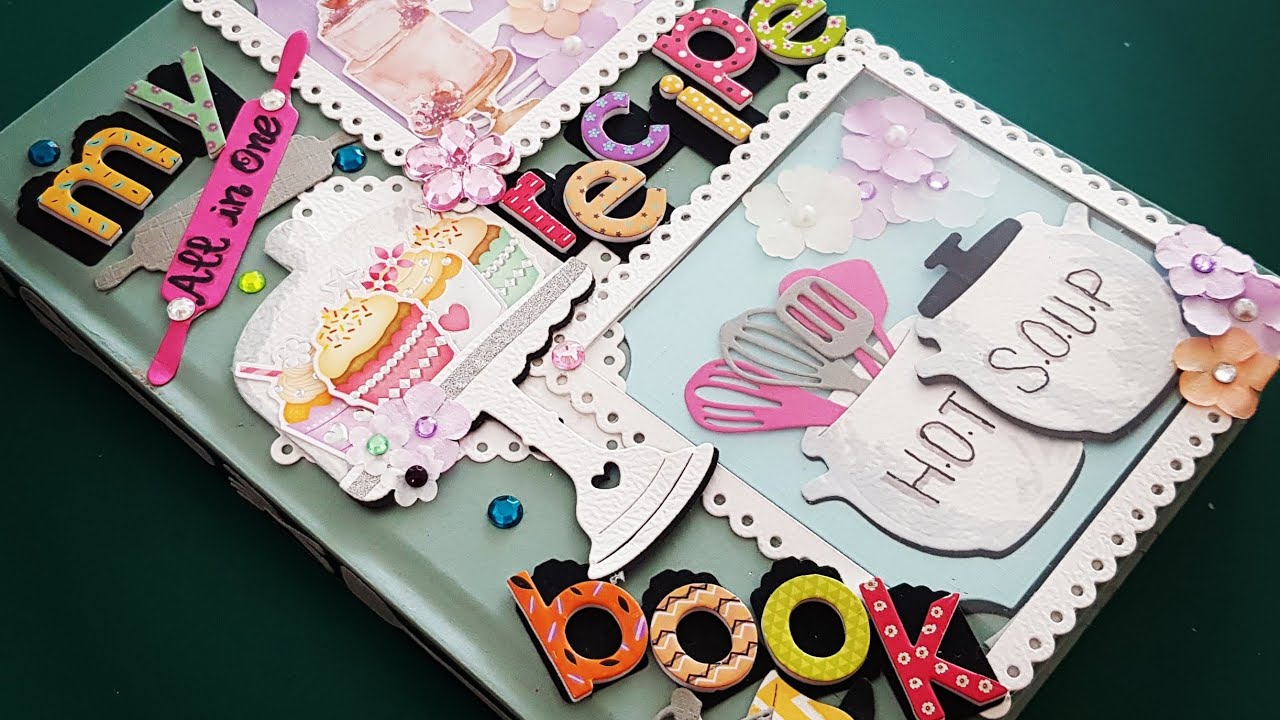
A clear theme keeps a collection focused and fun. Possible themes include plant-powered dishes, gluten-free favorites, or weeknight one-pot meals. A dessert lover might compile a pocket-sized booklet devoted entirely to cookies from around the world, while a spice enthusiast could create a volume celebrating global curries.
2. Seasonal Recipe Books
Aligning recipes with the calendar guarantees peak flavor and lower cost. Spring might spotlight tender greens and early berries, while autumn shines with squash and orchard fruits. Arranging pages by season also helps cooks anticipate what will soon appear at local markets.
3. Budget-Friendly Recipe Books
Eating well on a modest budget is easier when inspiration is close at hand. Staples such as beans, lentils, eggs, and seasonal produce can be transformed into soups, stir-fries, and hearty salads. Notes on batch cooking, freezing portions, and repurposing leftovers stretch both ingredients and imagination.
4. Technique-Based Recipe Books
Centering a book on a single skill—like bread baking, stir-frying, or pressure cooking—turns practice into progress. Each chapter can introduce one concept, followed by recipes that reinforce the lesson, building competence and curiosity at the same time.
How to Create Your Own DIY Recipe Book
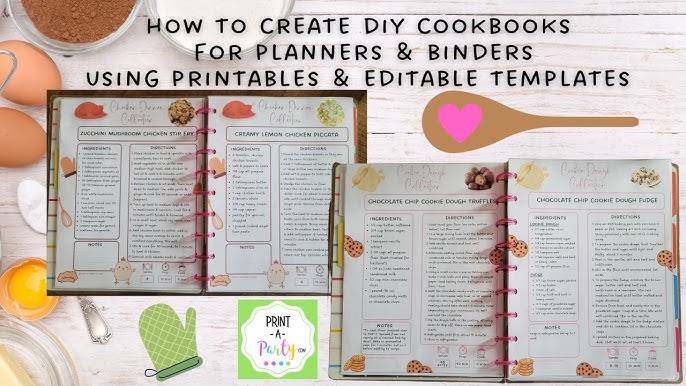
Creating your own DIY recipe book can be a rewarding and enjoyable experience. Here are some steps to help you get started:
1. Choose a Theme or Focus
Pick an angle that excites you, whether it is quick lunches, fermented foods, or family classics. A clear focus keeps the project manageable and the final book cohesive.
2. Gather Ingredients and Equipment
Check cupboards before shopping; many recipes can be tested with what you already own. Jot down any specialty tools you might need, but remember that a sharp knife and sturdy pan are often enough.
3. Experiment and Develop Recipes
Cook, taste, adjust, and record. Note oven temperatures, timing, and any swaps that worked. Photograph steps if visuals help you remember details later.
4. Organize and Format Your Book
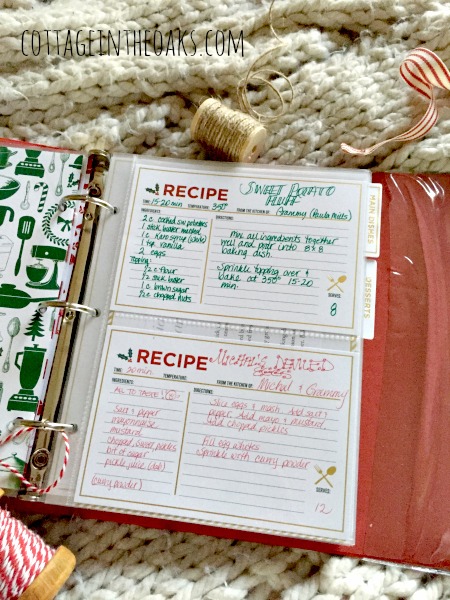
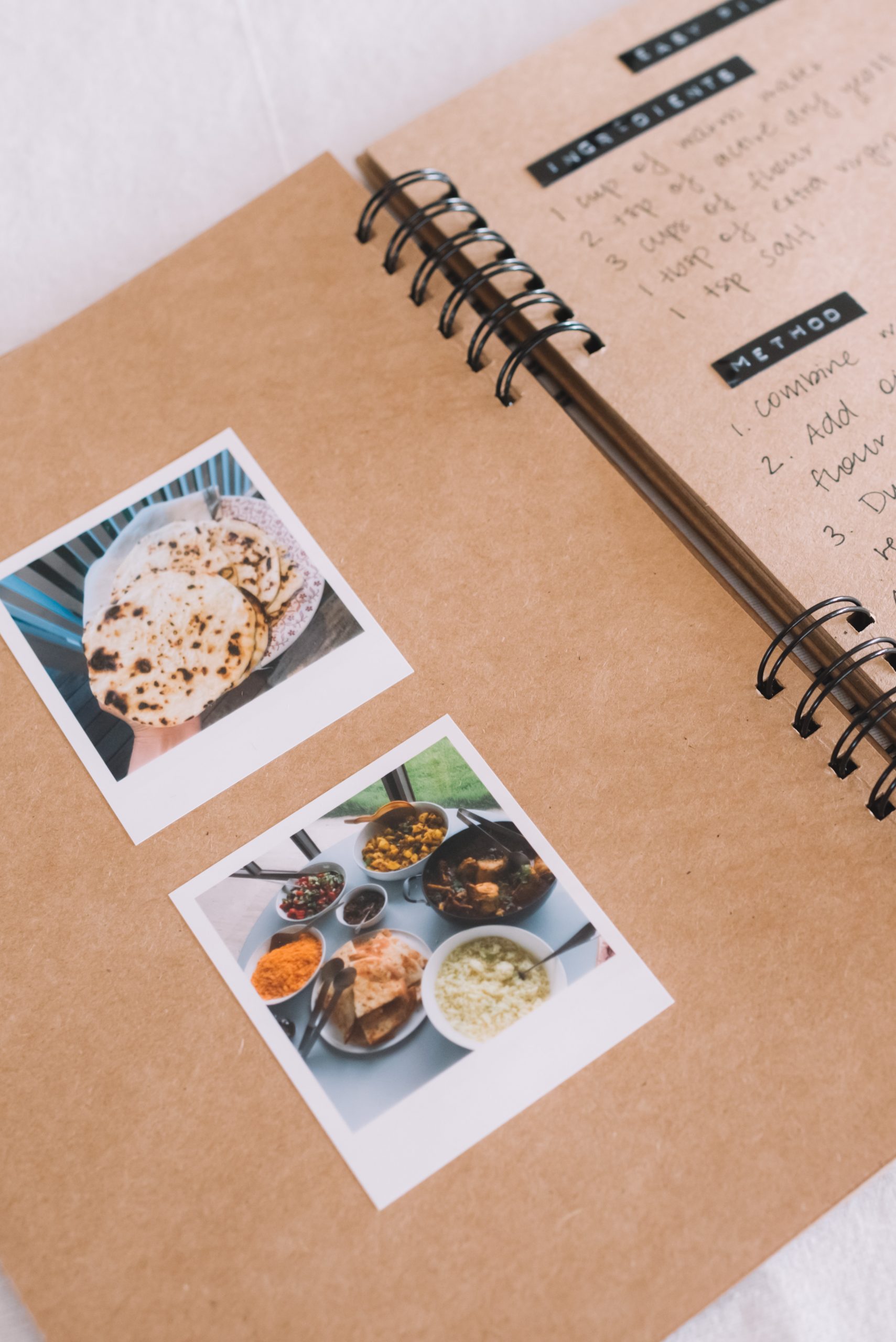
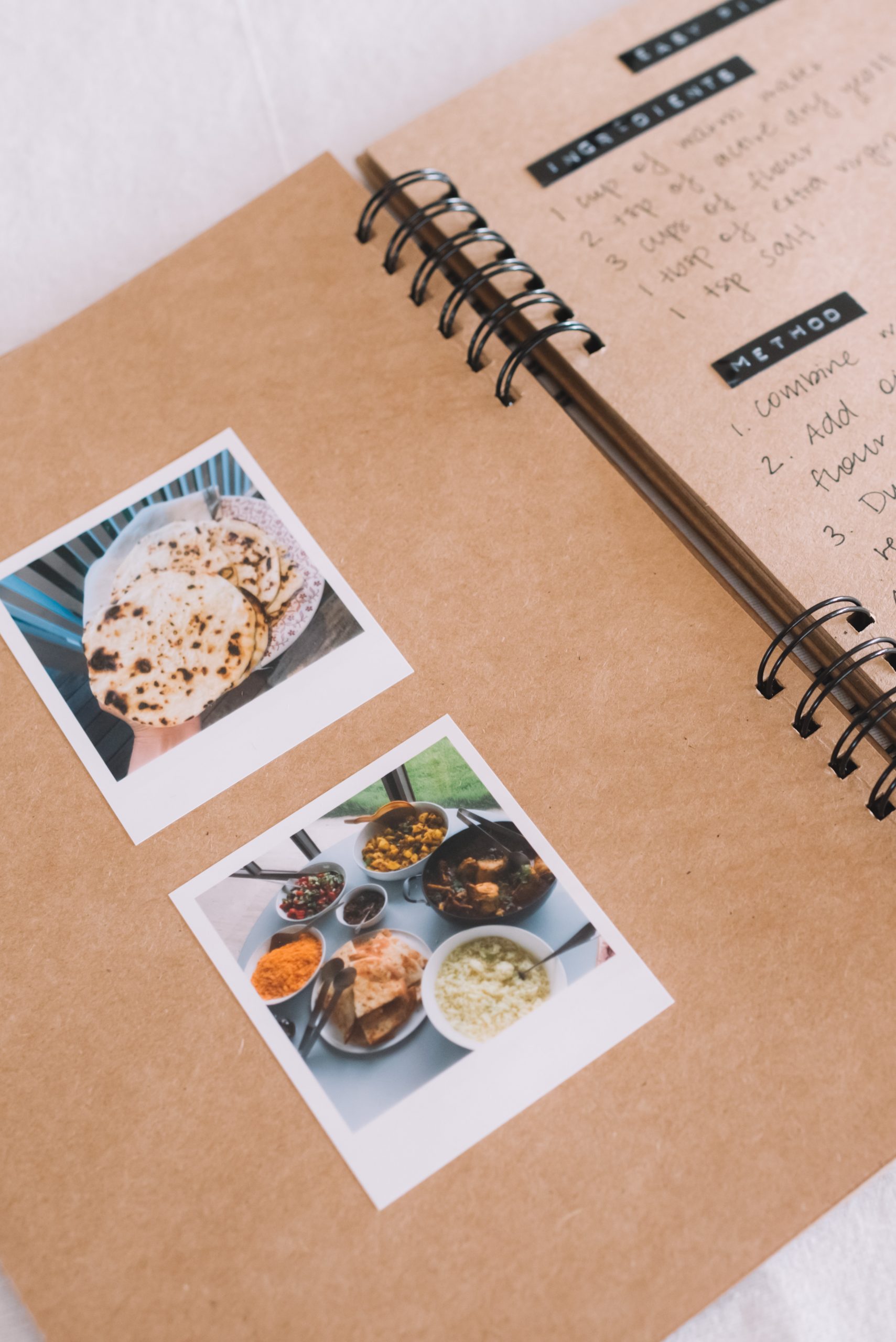
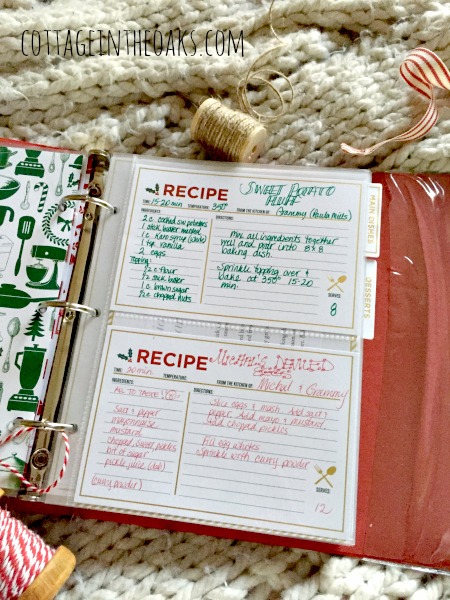
Group dishes by course or main ingredient. Write instructions in short, clear sentences. Add doodles, clippings, or photos to make pages inviting. A simple binder allows updates; a laminated cover protects kitchen spills.
5. Share Your Recipes
Host a tasting night, trade copies with friends, or post favorites on a private blog. Feedback refines both recipes and writing, turning a personal project into a shared celebration of good food.
Benefits of DIY Recipe Books
1. Encourages Creativity
Designing dishes from the ground up nurtures innovation. Over time, you develop an intuitive sense for pairing flavors and textures, making every meal an edible experiment.
2. Promotes Healthy Eating
When you control the ingredient list, salt, sugar, and fat can be adjusted to suit your goals. Whole grains, fresh produce, and mindful portions become the default rather than the exception.
3. Supports Local Businesses
Shopping at neighborhood markets or farm stands keeps money in the community and shortens the journey from soil to skillet. Recipe notes can include vendor shout-outs, turning weekly shopping into a friendly ritual.
4. Reduces Food Waste
Leftover roasted vegetables become tomorrow’s soup; herb stems infuse oils; citrus peels candy for dessert garnishes. A personal cookbook can include a “use-it-up” section, making waste reduction second nature.
Conclusion
Handmade recipe collections turn everyday cooking into an evolving adventure. By choosing a theme, recording experiments, and sharing results, you craft more than meals—you build confidence, community, and a tangible legacy of flavor. Pick up a pen, preheat the oven, and let your own culinary story unfold.


