

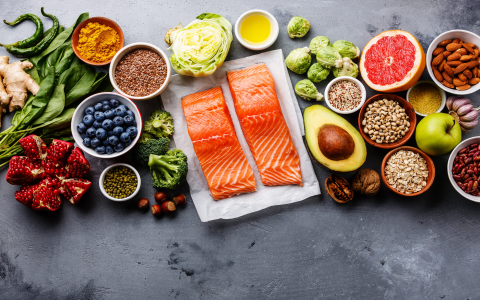
The Art and Science of Choosing What to Eat
Introduction
Selecting what lands on our plates is a daily act that quietly shapes our health, identity, and mood. The phrase “what to eat” sounds simple, yet it hides a maze of nutrients, memories, and meanings. This article walks through that maze, looking at how biology, culture, and personal taste steer each bite we take.

The Science of Nutrition
Every meal is a package of six nutrient teams: carbohydrates, proteins, fats, vitamins, minerals, and water. Each team has a job, and balance keeps the body humming.
Carbohydrates: The Body’s Fuel
Grains, fruits, vegetables, and legumes supply carbohydrates that break down into glucose, the cell’s favorite battery. Complex carbs release energy slowly, while simple sugars flash and fade, so whole-food choices keep energy steadier.
Proteins: The Building Blocks
Muscles, enzymes, and immune cells are built from amino acids found in lean meats, fish, eggs, dairy, beans, and nuts. Some amino acids must come from food, so variety on the plate protects the body’s repair crew.
Fats: The Energy Reserve
Fats store energy, cushion organs, and ferry vitamins A, D, E, and K. Unsaturated kinds—think olive oil, nuts, and fatty fish—support heart health, while saturated and trans types are best kept small.

Vitamins and Minerals: The Co-Factors
These micro-helpers spark reactions that keep eyes bright, bones strong, and nerves firing. Colorful produce, whole grains, and dairy deliver them in reliable doses.
Cultural Implications of What to Eat
Food speaks the language of home. A spice, a staple grain, or a holiday dish can whisper stories faster than words.
Food as a Cultural Symbol
Rice, bread, or corn may look ordinary, yet they anchor ceremonies and daily rhythms across continents. Sharing them signals belonging.
Food Taboos and Preferences
Some communities avoid certain meats or ingredients for spiritual or historical reasons. These unwritten rules shape markets, menus, and even friendship circles.

Personal Factors in Food Selection
Beyond science and society, the fork often follows private rules: cravings, memories, or doctor’s advice.
Personal Preferences
Genetics, childhood meals, and travel memories blend into a unique flavor fingerprint. One person’s comfort food may be another’s mystery.
Health Considerations
Allergies, diabetes, or heart concerns can turn grocery trips into strategic missions. Labels become maps, and nutrients turn into numbers to watch.
Lifestyle Choices
Vegetarian, vegan, low-waste, or high-protein—labels people adopt for ethics, ecology, or fitness rewrite shopping lists and restaurant orders every day.

Conclusion
Deciding what to eat is a quiet negotiation between body, heritage, and habit. Knowing the science, respecting culture, and honoring personal needs turns that negotiation into a lifelong craft rather than a daily chore.
Recommendations and Future Research
Curiosity still simmers. Three questions invite deeper exploration:
1. How does cultural blending change plates and health trends?
2. Can apps and wearables turn nutrient data into gentle, personal nudges?
3. What farming and shopping models make healthy meals lighter on the planet?
Answering them could make the next generation’s “what to eat” both tastier and kinder.


