

The Evolution and Impact of Franco-Italian Pasta: A Culinary Crossroads
Introduction
Global kitchens have long served as meeting points where techniques and tastes travel across borders. One delicious result is the growing popularity of Franco-Italian pasta—dishes that marry Italian noodle traditions with the refinement of French cuisine. This overview traces how the blend arose, how it has changed, and why it continues to shape the way we eat.
The Origins of Franco-Italian Pasta
The Italian Foundation
Pasta, at home in Italy for centuries, won worldwide affection thanks to its adaptability. Its neutral canvas invites sauces, herbs, and garnishes from any culture, making it an ideal partner for French flair.
The French Contribution
France’s culinary identity rests on careful technique and respect for premium produce. When chefs there began folding Italian strands into their repertoire, they applied classic methods—delicate reductions, butter-based emulsions, artful plating—to create something fresh yet familiar.
The Evolution of Franco-Italian Pasta
Early Experiments
First attempts were modest: spaghetti dressed in velouté or béarnaise, a shower of Provençal herbs standing in for the usual basil. Diners welcomed the gentle twist on comfort-food favorites.
Gourmet Exploration
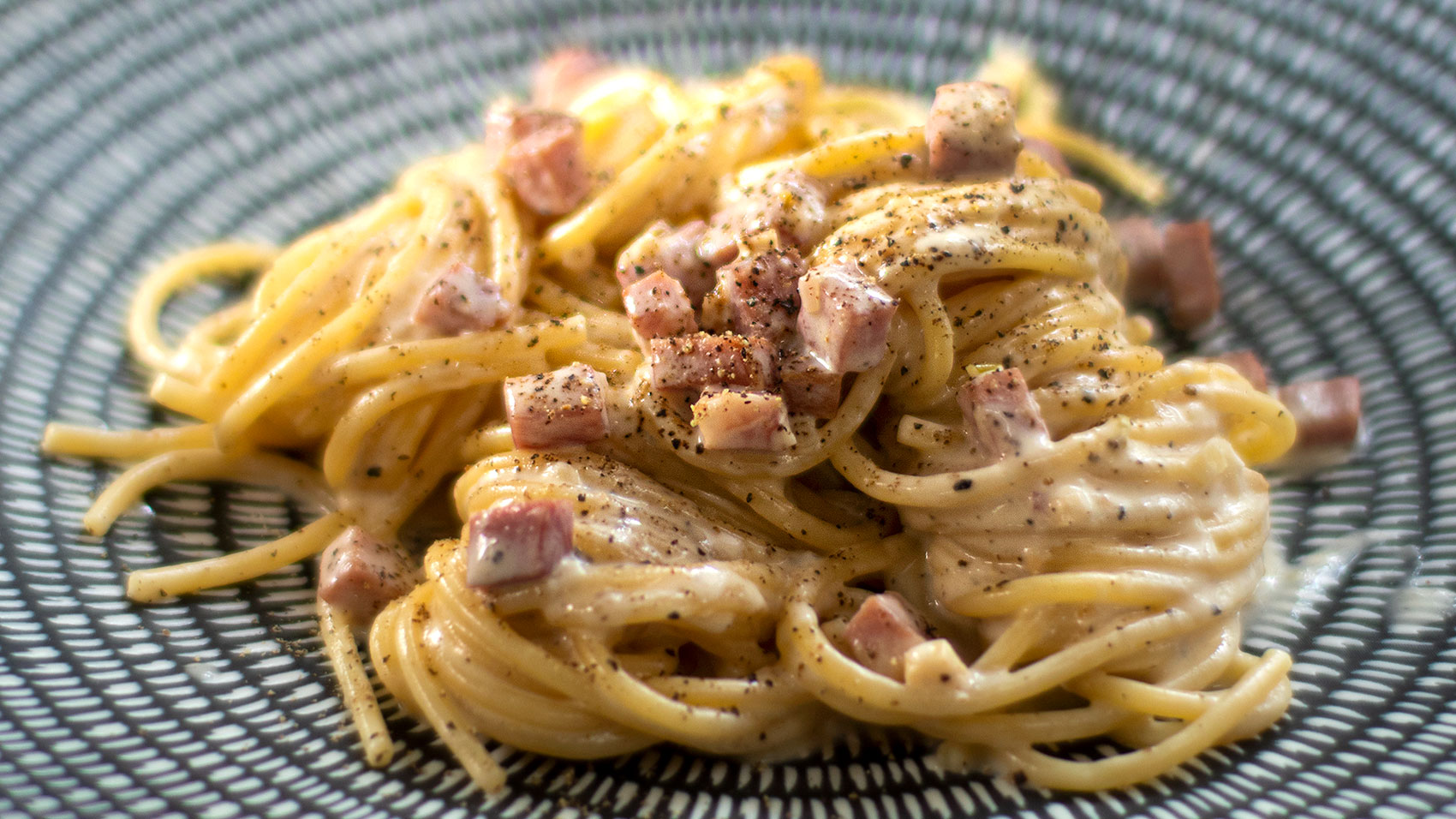
As travel and trade accelerated, kitchens grew bolder. Lobster knuckle meat might tumble with tagliatelle, or chanterelles and tarragon could lace a silky carbonara. Each plate balanced rustic Italian heart with French finesse.
Contemporary Creativity
Today’s menus showcase everything from saffron linguine in Champagne cream to hand-rolled pappardelle under truffle shavings. The common thread is thoughtful harmony—no single cuisine overshadows the other.
The Impact of Franco-Italian Pasta
Cultural Bridge-Building
Every forkful tells a story of exchange, reminding eaters that shared techniques can transcend national lines.
Economic Ripples
Restaurants featuring these blends often report fuller tables and longer waits, supporting farmers, artisans, and hospitality staff along the supply chain.
Sparking Innovation
By proving that two proud traditions can coexist on one plate, the trend encourages chefs to risk further pairings—whether Iberian-Moroccan or Nordic-Japanese.
The Role of Franco-Italian Pasta in Modern Cuisine
A Benchmark for Fusion
The blend sets a high bar: respectful of roots, adventurous in execution, and delicious above all.
An Emblem of Connection
Its success mirrors our interconnected era, where recipes cross time zones in seconds and diners crave novelty anchored in craft.
Conclusion
Franco-Italian pasta is more than a fleeting special; it is edible proof that openness in the kitchen can yield lasting delight. As palates keep roaming, this adaptable genre will keep inspiring cooks to stir new stories into every pot.
Recommendations and Future Research
To deepen understanding of Franco-Italian pasta, upcoming studies could examine:
1. How fusion menus affect local employment and ingredient sourcing.
2. The way regional diners interpret and value these hybrid dishes.
3. The link between such offerings and increased food-focused travel.
4. Lessons from Franco-Italian pasta that can guide other culinary mash-ups.
Exploring these angles will illuminate how respectful creativity on the plate can foster economic, cultural, and gastronomic growth.


