

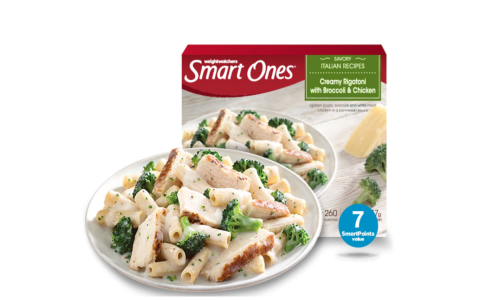
The Impact of Ready-Made Diet Meals on Modern Eating Habits
Introduction
In today’s busy world, many people prioritize speed over wellness. Ready-made diet meals have gained popularity as a practical way to combine convenience with balanced eating. This article explores the background, advantages, and common concerns surrounding these meals, and how they fit into contemporary weight-management plans.
Origins of Ready-Made Diet Meals
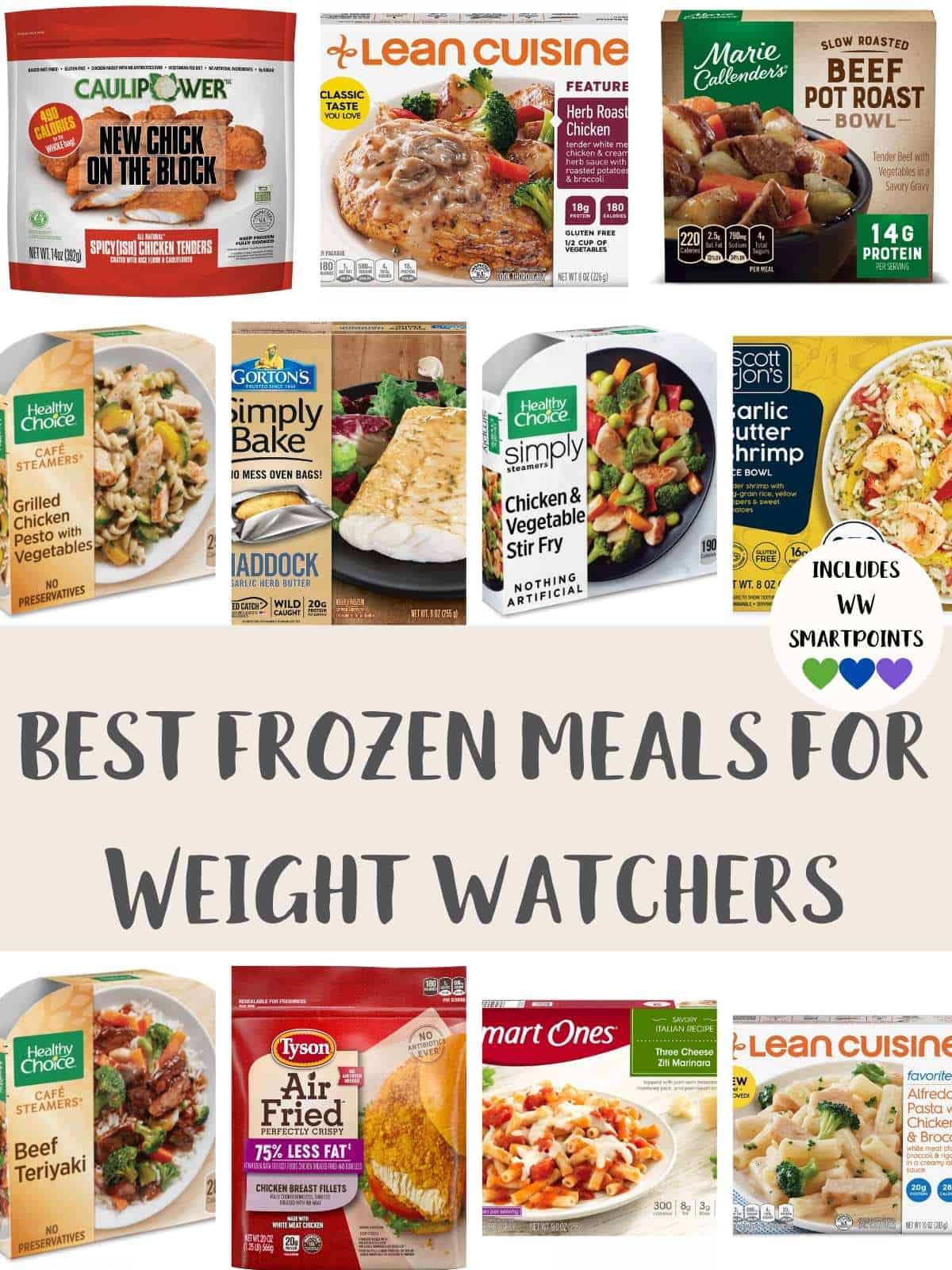
The concept of portion-controlled frozen entrées took off in the 1970s, when a well-known weight-management program began offering them to help followers stay on track. Designed to align with the program’s guidelines, these meals aimed to simplify healthy eating by eliminating guesswork around serving sizes and ingredient choices.
Benefits of Ready-Made Diet Meals
Convenience
The biggest draw is speed. After a long day, a meal that goes from freezer to table in minutes can prevent impulsive take-out orders. Research consistently shows that easy access to healthier options increases the likelihood of sticking to dietary goals.
Portion Control
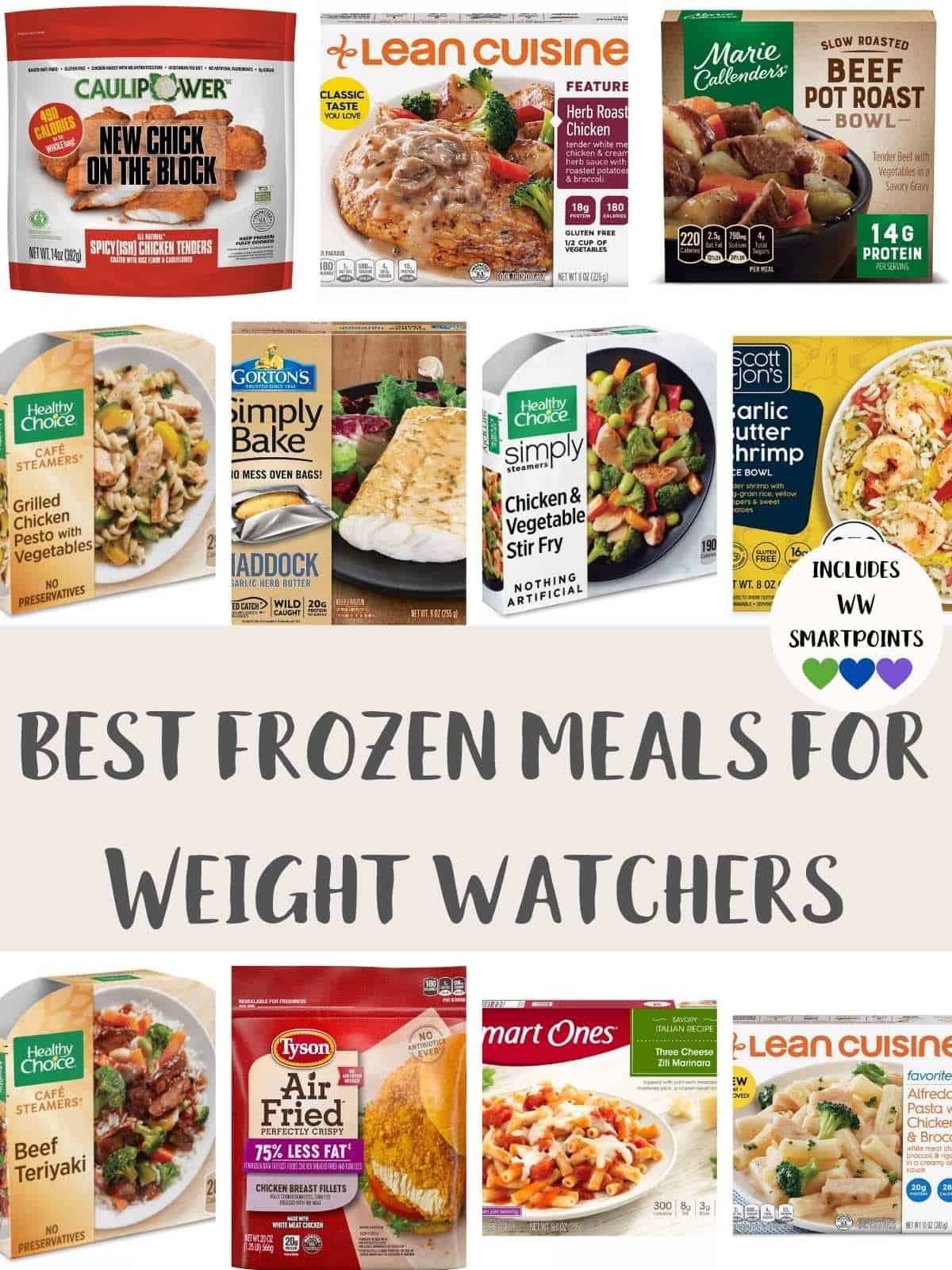
Each tray is pre-measured, making calorie tracking effortless. Built-in portion limits help prevent overeating, a common hurdle for anyone trying to shed or maintain weight.
Nutritional Balance
Most products supply a mix of lean protein, complex carbohydrates, and moderate fat, helping consumers cover basic nutrient needs without excess energy intake.
Criticisms of Ready-Made Diet Meals
Nutritional Quality
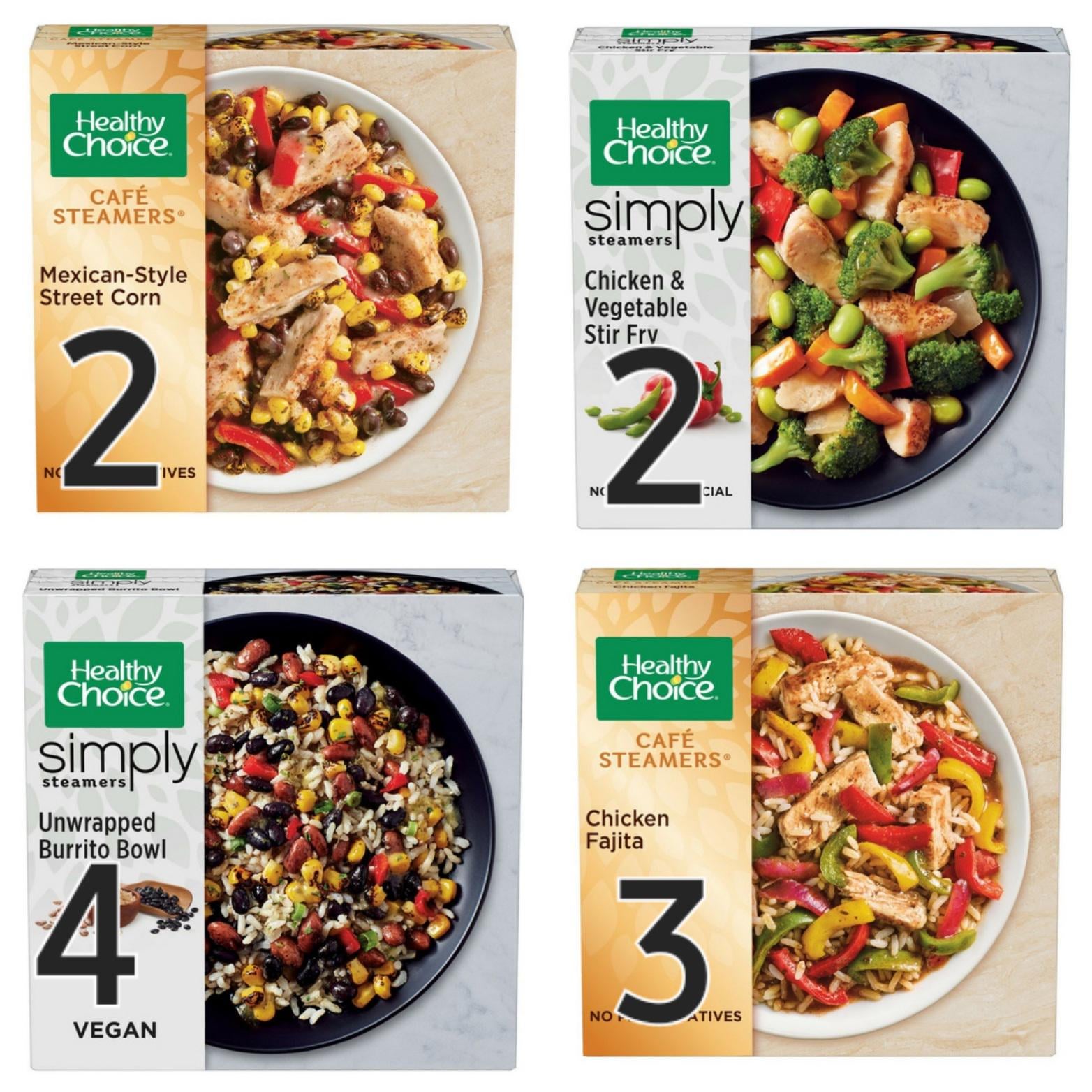
Despite balanced macros, some entrées rely on added sodium or stabilizers to prolong shelf life. Health advocates encourage reading labels and pairing frozen meals with fresh produce to offset any nutrient gaps.
Taste and Variety
Flavor profiles can be mild and textures uniform, which may lead to palate fatigue. When boredom strikes, people often stray from their plan in search of more exciting dishes.
The Role of Ready-Made Diet Meals in Modern Dieting
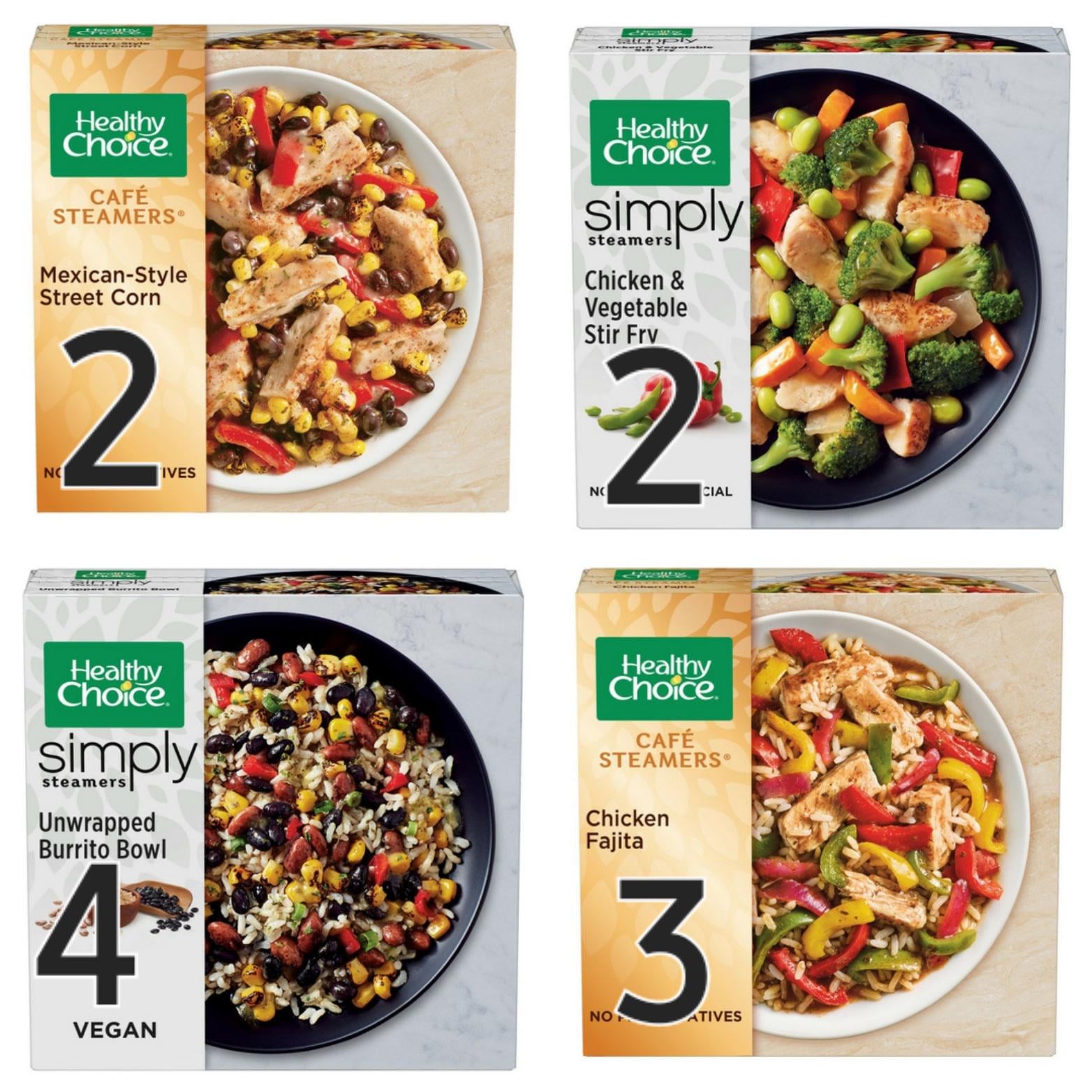
These portioned entrées have helped normalize calorie awareness and demonstrate that nutritious food can be quick. Yet nutritionists emphasize treating them as a backup plan rather than the core of everyday eating.
Conclusion
Ready-made diet meals offer a practical tool for calorie-conscious consumers. They excel in convenience and portion guidance, but users should balance them with fresh, minimally processed foods to maximize overall diet quality.
Recommendations and Future Research
Producers can enhance recipes by lowering sodium, incorporating more vegetables, and expanding global flavor options. Further studies could examine how regular consumption affects long-term weight maintenance and metabolic health when combined with varied, whole-food meals.
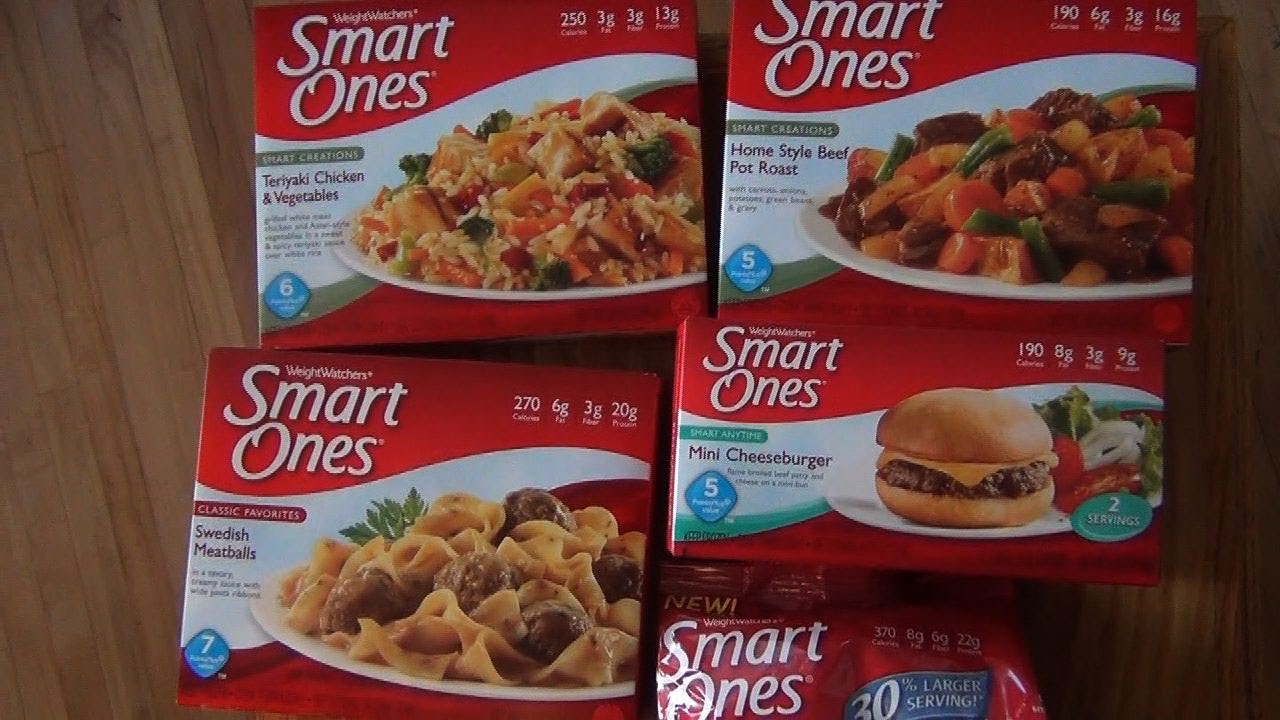
In conclusion, ready-made diet meals remain a useful ally in modern weight management, provided they complement—not replace—a diverse, balanced diet.


