

The Craft and Chemistry of Classic Pizza Dough
Introduction
Pizza, a favorite across continents, owes much of its magic to the dough that forms its base. A well-balanced dough recipe can turn simple ingredients into a memorable crust. This article explores the essentials of a reliable everyday dough, covering its key ingredients, the science at work, and easy ways to tailor it to personal taste.
The Components of a Reliable Pizza Dough
Flour
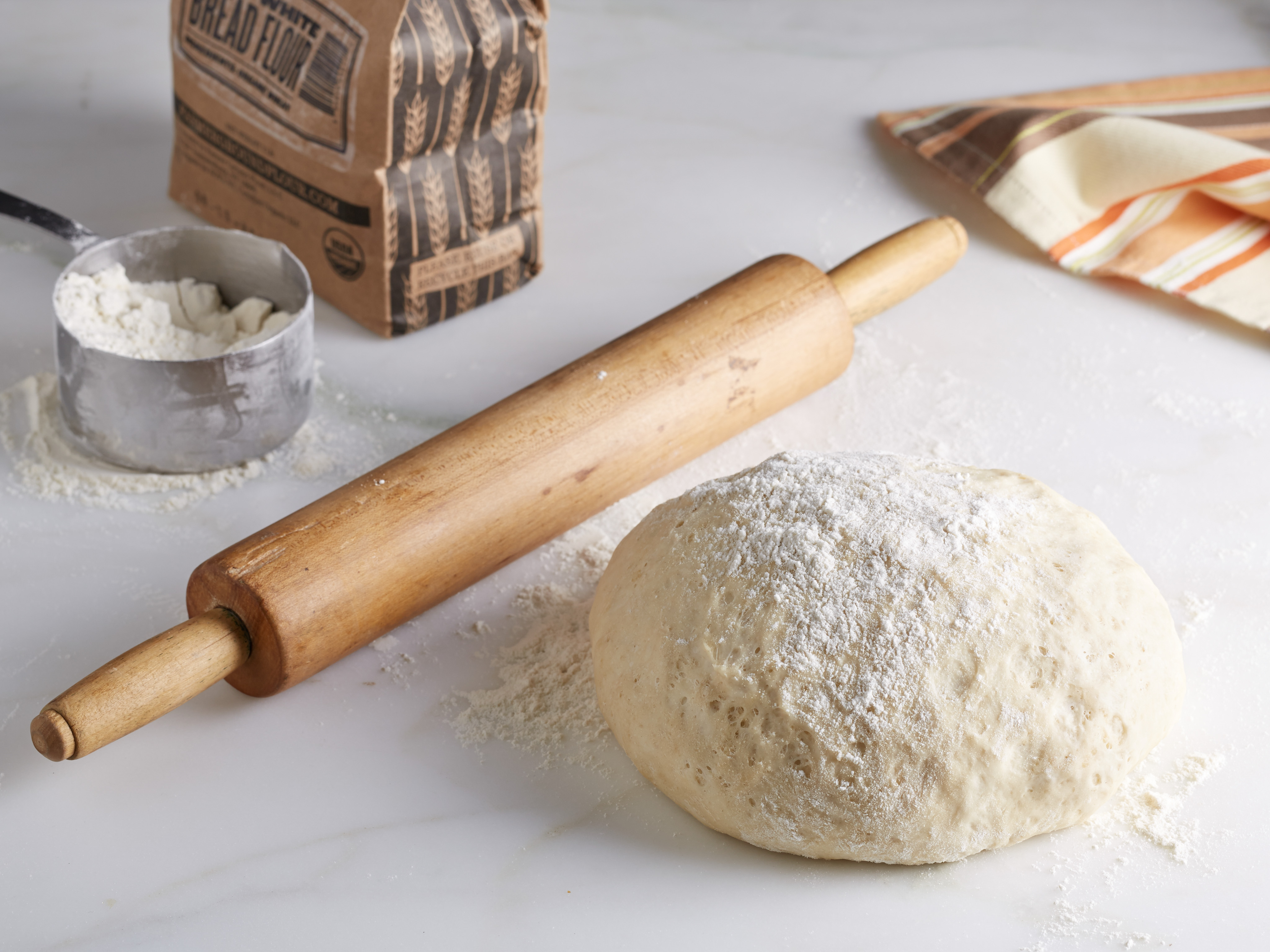
All-purpose flour is the usual starting point because it is easy to find and forgiving to handle. Bread flour is another option; its extra protein encourages a pleasantly chewy texture.
Water
Water activates the flour and brings the dough together. Cool water tends to yield a smoother, more elastic feel, while lukewarm water creates a softer, more relaxed dough.
Yeast
Active dry yeast drives the rise. A short proof in warm water wakes the yeast up and ensures steady fermentation later.
Salt
Salt sharpens flavor and strengthens gluten, helping the dough hold its shape while it rises.
Oil
A light drizzle of oil keeps the dough from sticking to the bowl and adds a hint of richness to the finished crust.
The Science of Pizza Dough
Hydration Ratio
Balancing water and flour is critical. A moderate hydration level—roughly three parts flour to two parts water by weight—produces a dough that is stretchy yet easy to shape.
Fermentation
During fermentation, yeast feeds on natural sugars, releasing carbon dioxide that inflates the dough. Longer, cooler fermentation deepens flavor; shorter, warmer proofing speeds things up.
Gluten Development
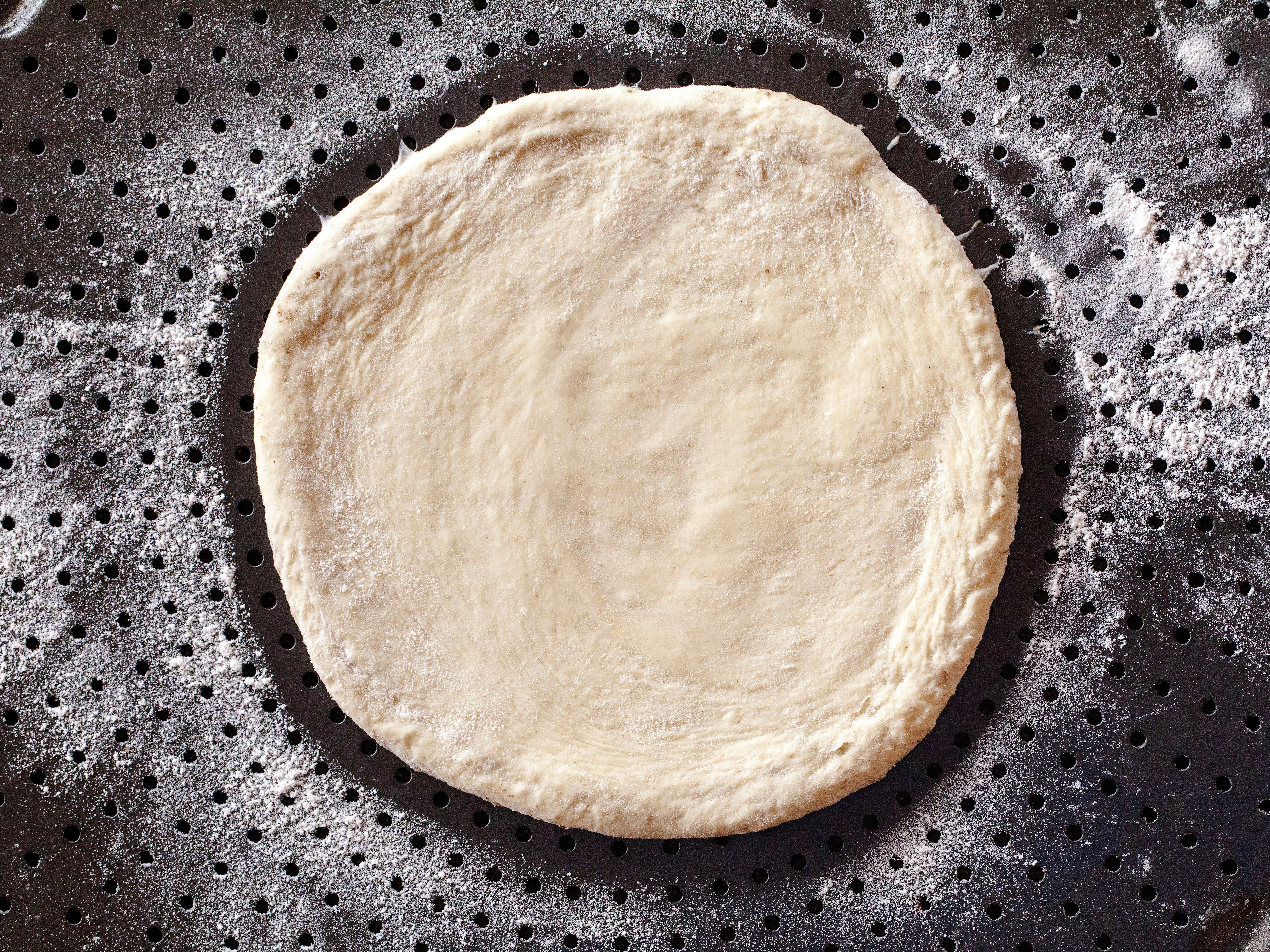
Kneading aligns gluten strands, giving the dough elasticity and the ability to trap gas bubbles. Adequate rest time allows these strands to relax, so the dough stretches without tearing.
Variations and Adaptations
Whole Wheat Pizza Dough
Replacing part of the white flour with whole wheat adds earthy flavor and extra fiber. A slightly longer rise compensates for the bran, which can slow gluten development.
Gluten-Free Pizza Dough
Blends of rice, sorghum, and tapioca flours, plus a binding agent like xanthan gum, create a crust that everyone can enjoy. The texture differs from wheat-based dough, but the result can still be crisp and flavorful.
Flavor Enhancements
Mixing in dried herbs, cracked pepper, or a handful of grated cheese gives the crust an extra dimension without complicating the process.
Conclusion
A straightforward dough formula remains the heart of great pizza. By grasping the roles of flour, water, yeast, salt, and time, home bakers can craft a crust that suits any topping or occasion. Small tweaks—different flours, longer cold rises, or playful seasonings—open endless possibilities while keeping the method simple and approachable.
Future Research and Recommendations
Experimenting with varied fermentation schedules and flour combinations can reveal new textures and aromas. Try adjusting hydration in small steps, or test overnight refrigeration against same-day proofing, to discover the profile you like best. With curiosity and a few batches of practice, a signature crust is well within reach.

