

The Importance of Food: A Broad Overview
Introduction
Food sits at the heart of human life, shaping survival, identity, and daily routines. Beyond simple nourishment, it carries cultural meaning, drives economies, and connects communities. This overview explores how food has influenced history, traditions, markets, and well-being, offering a rounded picture of why it matters to everyone.

Historical Perspective
Historical Significance of Food
Early farming, begun millennia ago, allowed people to settle, store harvests, and build villages. Stable crops supported larger groups, giving rise to trade, crafts, and organized societies.
Domesticated plants and animals changed menus and mind-sets: irrigation channels in river valleys boosted grain yields, while shared ovens and granaries became social hubs, weaving food into law, religion, and art.
Food as a Cultural Symbol
Across continents, staple dishes signal belonging and belief. Rice often appears at weddings as a wish for abundance; bread shared at tables stands for unity and hospitality.
Seasonal festivals still revolve around special meals, reinforcing memory and togetherness. Whether dumplings for a new year or sweet bread for a harvest, recipes travel through generations as edible heritage.

Economic Impact of Food
The Food Industry
Farming, processing, shipping, and retail together form a vast economic engine, supporting livelihoods from field to fork. Rising city populations and busier schedules keep demand high for convenient, ready-to-eat choices, spurring constant product innovation.
Organic lines, plant-based alternatives, and functional snacks illustrate how consumer interest shapes shelves and supply chains, encouraging investment and new jobs.
Food Security and Sustainability
Reliable access to sufficient, safe, and nutritious meals remains uneven. Climate shifts, soil loss, and market swings threaten harvests, while conflict and poverty limit distribution.
Sustainable practices—rotating crops, reducing waste, and improving storage—help protect harvests and ecosystems, aiming to feed growing populations without depleting resources.
Health and Nutrition
The Role of Food in Health
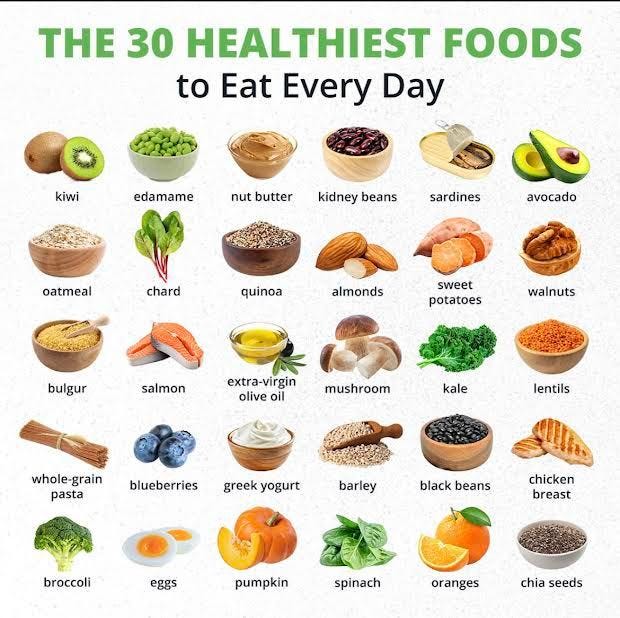
Balanced plates supply energy, repair tissue, and regulate immunity. Yet diets heavy on sugar, salt, and refined staples have been linked to rising rates of weight gain, blood-sugar disorders, and heart conditions.
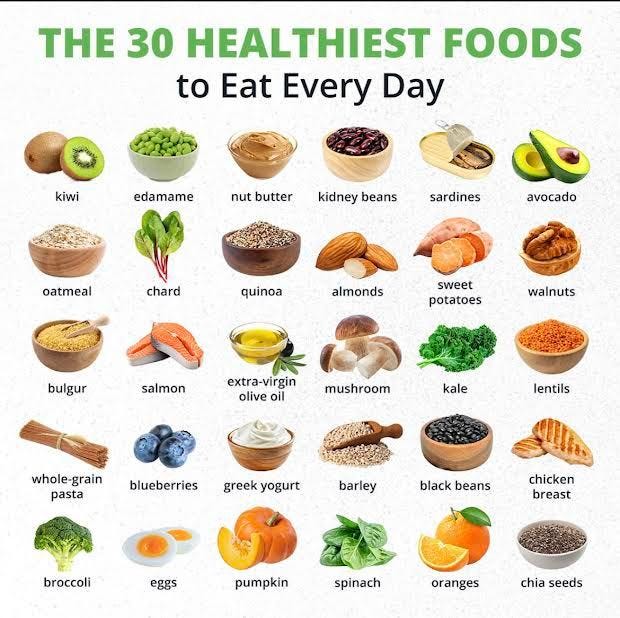
Experts recommend colorful produce, whole grains, legumes, nuts, and moderate portions of animal or alternative proteins to lower disease risk and support lifelong vitality.
Food Deserts and Inequality
Neighborhoods lacking grocers or fresh produce force residents to depend on processed fare, deepening health gaps. Mobile markets, community gardens, and cooperative buying programs work to shorten the distance between fields and families, making wholesome choices more reachable.
Conclusion
Summary of Key Points
Food is far more than fuel; it steers history, mirrors culture, powers economies, and affects well-being. Ensuring fair, sustainable, and healthy food systems is therefore a shared priority.
Reaffirming the Purpose and Significance
By valuing every link in the food chain—from soil to supper—we can nurture both people and planet, honoring the central role meals play in individual lives and collective futures.
Recommendations and Future Research
To meet emerging challenges, stakeholders can:
1. Expand eco-friendly farming that safeguards water, soil, and biodiversity.
2. Invest in local distribution networks that deliver fresh food to underserved areas.

3. Teach cooking skills and nutrition literacy to encourage balanced, enjoyable diets.
4. Support studies on resilient crops, waste reduction tech, and climate-smart logistics.
In short, thoughtful choices today can cultivate a fairer, tastier, and more secure food landscape tomorrow.


