

The Impact of Food Photography on Modern Culinary Culture
Introduction
In today’s digital landscape, images of meals have become as important as the meals themselves. From social feeds to recipe sites, the visual side of dining now guides how we discover, cook, and enjoy food. This article looks at how food photography shapes modern culinary culture, drives new trends, sways choices, and connects people who love to eat and cook.
The Rise of Food Enthusiast Culture
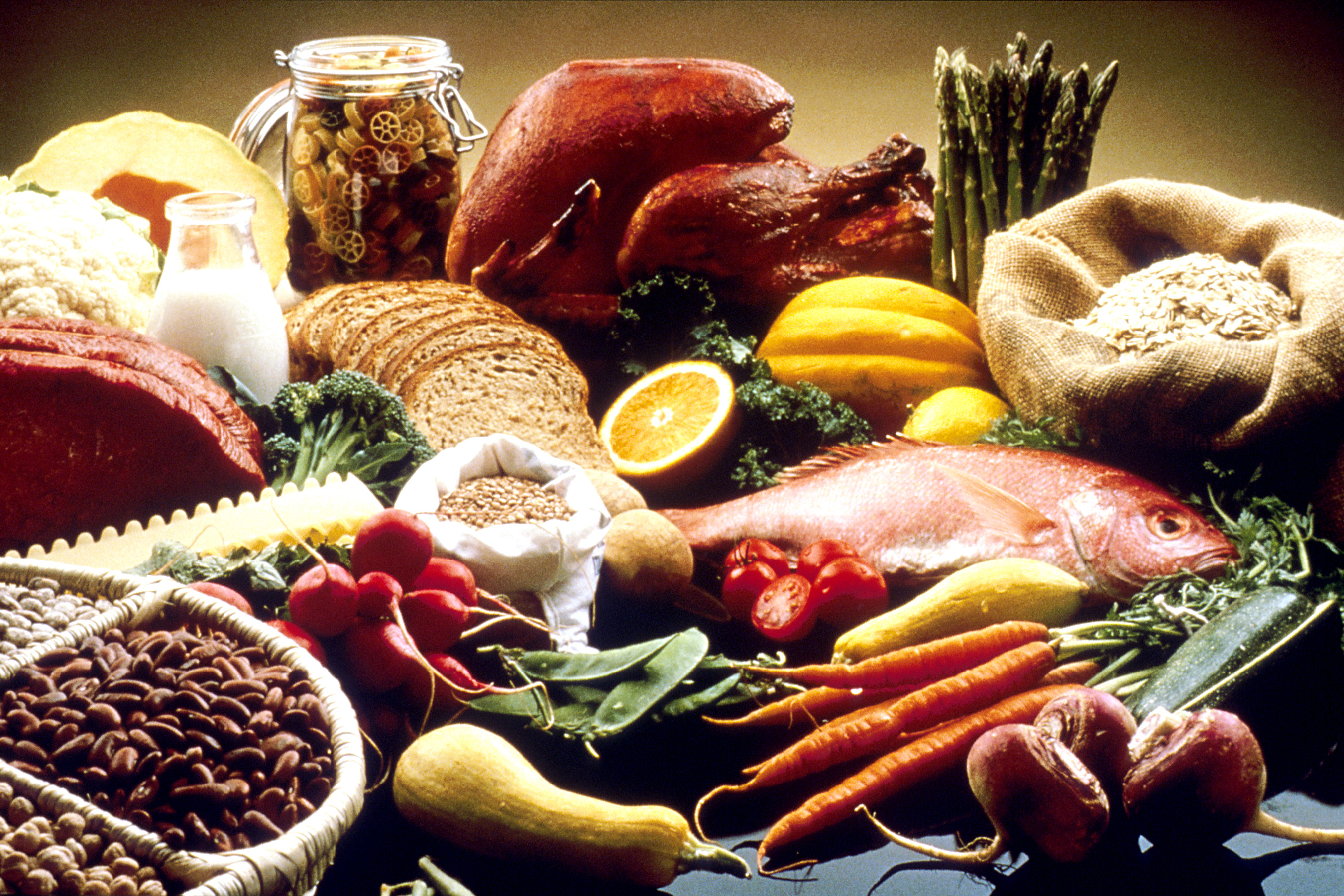
The boom in food imagery owes much to a growing community of culinary explorers. These curious diners use smartphones and visual platforms to chronicle every bite, encouraging others to seek out new flavors and experiences.
The Power of Visual Storytelling
A single, well-framed image can suggest aroma, texture, and even sound, inviting viewers to imagine the first bite. This storytelling power lets home cooks and professionals alike share inspiration across continents within seconds.
Shaping Food Trends
Photos steer what ends up on our plates more than ever. Key shifts include:
The Aesthetic Movement
Dishes are now plated like art, with color and contrast driving menu choices. Vibrant grain bowls, pastel smoothies, and artfully topped toast owe their fame to lenses before forks.
The Share-Worthy Plate
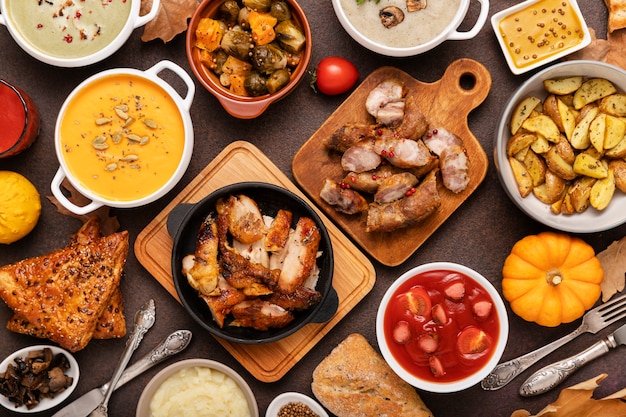
Restaurants design plates hoping they will travel the world online. Unexpected shapes, bold hues, and playful garnishes turn meals into moments made for the camera.
Influencing Consumer Behavior
Images guide appetite and spending in subtle ways:
The Pull of Visual Cues
An appetizing shot can trigger cravings and nudge someone to order or cook a dish they had never considered.
The Bandwagon Effect
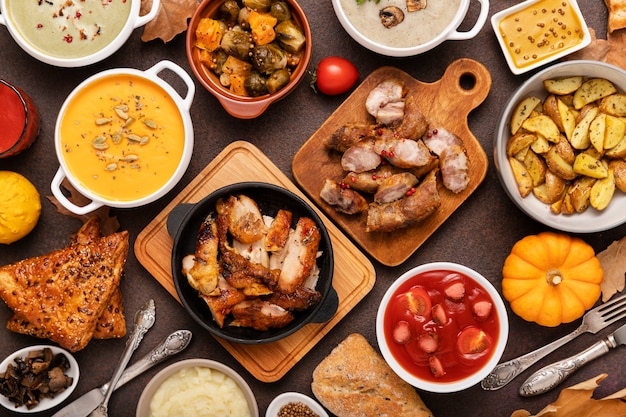
When a meal repeatedly appears in timelines, it gains social proof, encouraging others to taste and post their own versions.
Fostering a Sense of Community
Shared pictures create bonds among strangers united by flavor:
The Global Table
Tags and hashtags gather cooks from different cultures around one virtual table, exchanging tips and praise.
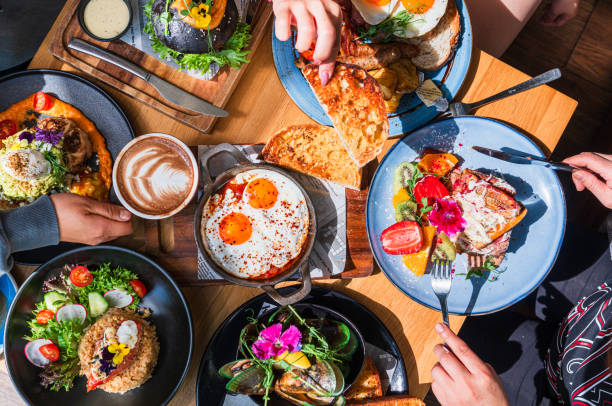
Collaborative Creativity
Challenges such as themed cook-offs or monthly ingredient prompts spark cooperation among amateurs and chefs alike.
The Challenges and Concerns
Not every outcome is positive:
The Pressure to Perform
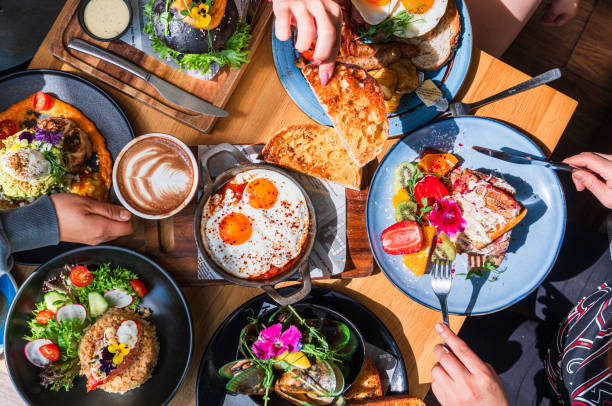
Chasing likes can tempt cooks to prioritize looks over genuine taste or tradition.
The Risk of Distortion
Heavy filters or clever styling may set unrealistic expectations for what home cooking can achieve.
Conclusion
Food photography is now a central ingredient in culinary culture, guiding trends, choices, and connections. By balancing honesty with creativity, we can keep the focus on flavor while still celebrating the visual joy of eating.
Recommendations and Future Research
Cooks, bloggers, and diners can:
1. Let taste lead and allow visuals to complement, not replace, flavor.
2. Use light edits that stay true to the dish’s real colors and portions.
3. Share skills and stories openly, strengthening the worldwide food conversation.
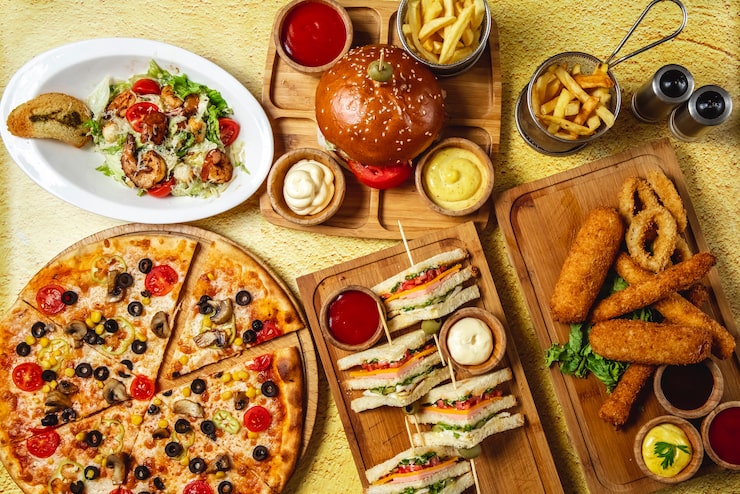
Future studies might explore how constant exposure to curated meals affects home-cooking confidence, or whether certain image styles influence nutritional choices over time.


