The Impact of Home-Cooked Meals on Health and Well-being
Introduction
The kitchen, often called the heart of the home, shapes daily eating habits and long-term wellness. Preparing food within our own walls has guided human nutrition for generations. This article explores why home cooking matters, how it influences physical and mental health, and the ways the kitchen continues to change in contemporary life.
The Significance of Home-Cooked Meals
Nutritional Control
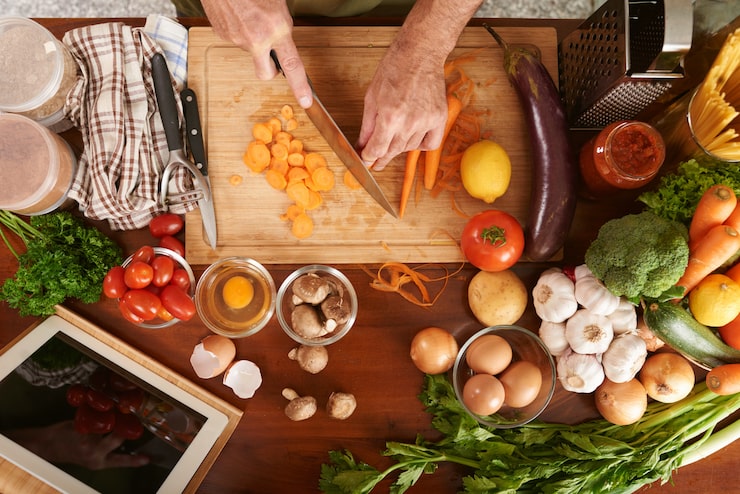
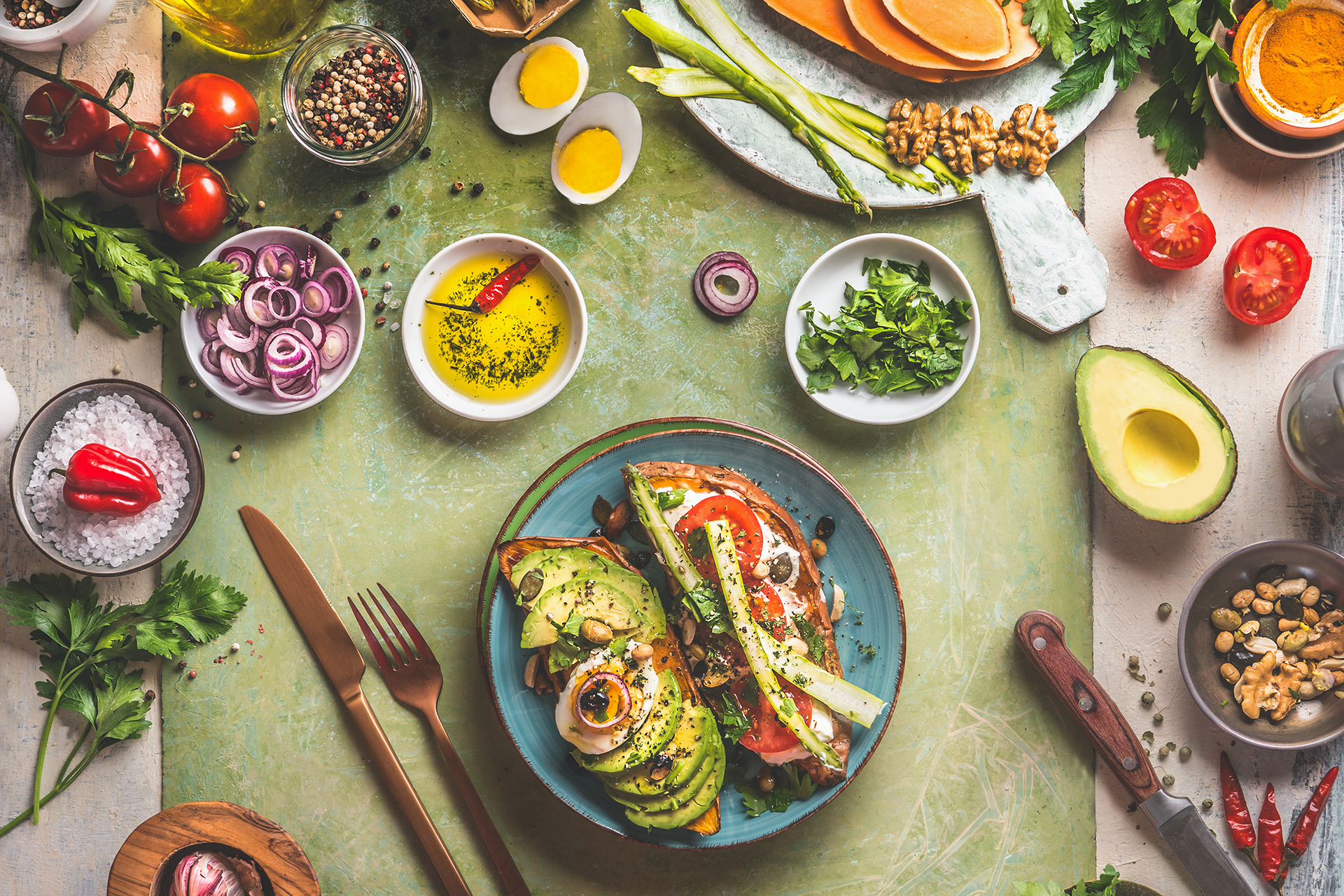
One key benefit of cooking at home is the freedom to decide what goes into each dish. Unlike many ready-made options that can be high in salt, sugar, or saturated fat, meals prepared from scratch rely on fresh produce, whole grains, and lean proteins. This personal oversight makes it easier to meet individual dietary goals and lower the risk of common chronic conditions.
Health Benefits
Research consistently links frequent home cooking to healthier body weight and improved nutrient intake. People who prepare most of their own meals tend to consume more vitamins, minerals, and fiber while limiting excess calories. Over time, these patterns support steady energy, stronger immunity, and better overall vitality.
The Evolution of the Kitchen
Technological Advancements
Appliances such as convection ovens, high-speed blenders, and induction cooktops have streamlined food preparation. Yet the same technology that saves time also invites greater reliance on reheated or delivered dishes, which may dilute the nutritional quality of the average meal.
Cultural Shifts
Cooking was once a shared ritual among family or neighbors. Today, busier lifestyles and smaller households mean many individuals dine solo or opt for takeaway. This gradual move away from communal cooking raises questions about declining culinary skills and the possible health consequences of eating outside the home so often.
:max_bytes(150000):strip_icc()/GettyImages-493239254-b4ee2820e10a4230a747154c88366f86.jpg)
Challenges and Solutions
Time Constraints
Tight schedules remain the top barrier to regular home cooking. Strategies such as weekly menu planning, batch preparation, and freezing portions in advance can shorten kitchen time on hectic days while still providing balanced dishes.
Lack of Cooking Skills
Uncertainty about basic techniques keeps some people from picking up a spatula. Short video tutorials, community workshops, and beginner-friendly cookbooks offer step-by-step guidance that builds confidence and encourages more meals made from scratch.
Conclusion
Home cooking remains a powerful tool for safeguarding health. By granting control over ingredients and fostering nutritious choices, it forms a cornerstone of lifelong wellness. Although modern life presents obstacles, practical solutions—from time-saving habits to accessible culinary education—can keep the tradition alive.
Future Directions
The next chapter of home cooking will likely blend convenience with nutrition. Innovations such as smart appliances, pre-portioned wholesome ingredients, and digital coaching may simplify the process without sacrificing quality. Continued emphasis on teaching fundamental skills will also ensure that upcoming generations view the kitchen as a place of creativity, connection, and care.
In the end, a meal prepared at home is more than food on a plate; it is an investment in personal and collective well-being. Recognizing its value and removing common barriers will allow more people to enjoy the lasting benefits of cooking for themselves and their loved ones.