


The Impact of Food Choices on Human Health and Nutrition
Introduction
What we eat shapes how we feel, think, and age. Everyday choices about meals and snacks quietly steer energy levels, mood, and long-term wellness. This overview examines how common foods deliver nutrients, support the body, and, when misused, may pose risks. The goal is to offer practical insight for building balanced, enjoyable eating habits.

Nutritional Value of Everyday Foods
Vitamins and Minerals
Colorful produce, legumes, nuts, and dairy supply vitamins A, C, E, K, and an array of minerals such as calcium, magnesium, and potassium. These micronutrients act as catalysts for immunity, bone upkeep, and cellular repair, helping the body run smoothly even under stress.
Proteins and Carbohydrates
Proteins—found in beans, lentils, fish, eggs, tofu, and lean meats—provide amino acids that rebuild tissue and maintain enzymes. Carbohydrates from whole grains, fruits, and root vegetables deliver glucose, the preferred fuel for muscles, organs, and the brain.
Fats
Unsaturated fats in olives, avocados, seeds, and cold-water fish assist hormone production and aid absorption of fat-soluble vitamins. Used sparingly, they add flavor and satiety without overloading calories.
Health Benefits of Balanced Eating
Prevention of Chronic Diseases
Regular intake of fiber-rich plants and healthy fats supports stable blood sugar, flexible blood vessels, and balanced cholesterol profiles, collectively lowering the chance of heart trouble, type 2 diabetes, and some malignancies.
Improved Brain Function
Omega-3 fats, B-vitamins, and antioxidants found in leafy greens, berries, nuts, and seafood nourish neurons, enhance signal transmission, and may slow age-related cognitive change.
Weight Management
Meals built around nutrient-dense ingredients promote fullness, steady energy, and fewer cravings, making it easier to maintain a comfortable weight without strict dieting.
Risks Associated with Certain Foods
Food Allergies
Even wholesome items such as nuts, shellfish, eggs, or milk can trigger immune reactions in susceptible people. Recognizing personal triggers and reading labels carefully prevents unpleasant or dangerous responses.
Food Poisoning
Bacteria and viruses can multiply when food is left at unsafe temperatures or handled improperly. Simple habits—washing hands, cooking to recommended internal temperatures, and refrigerating leftovers promptly—sharply cut infection risk.
Overconsumption of Processed Foods
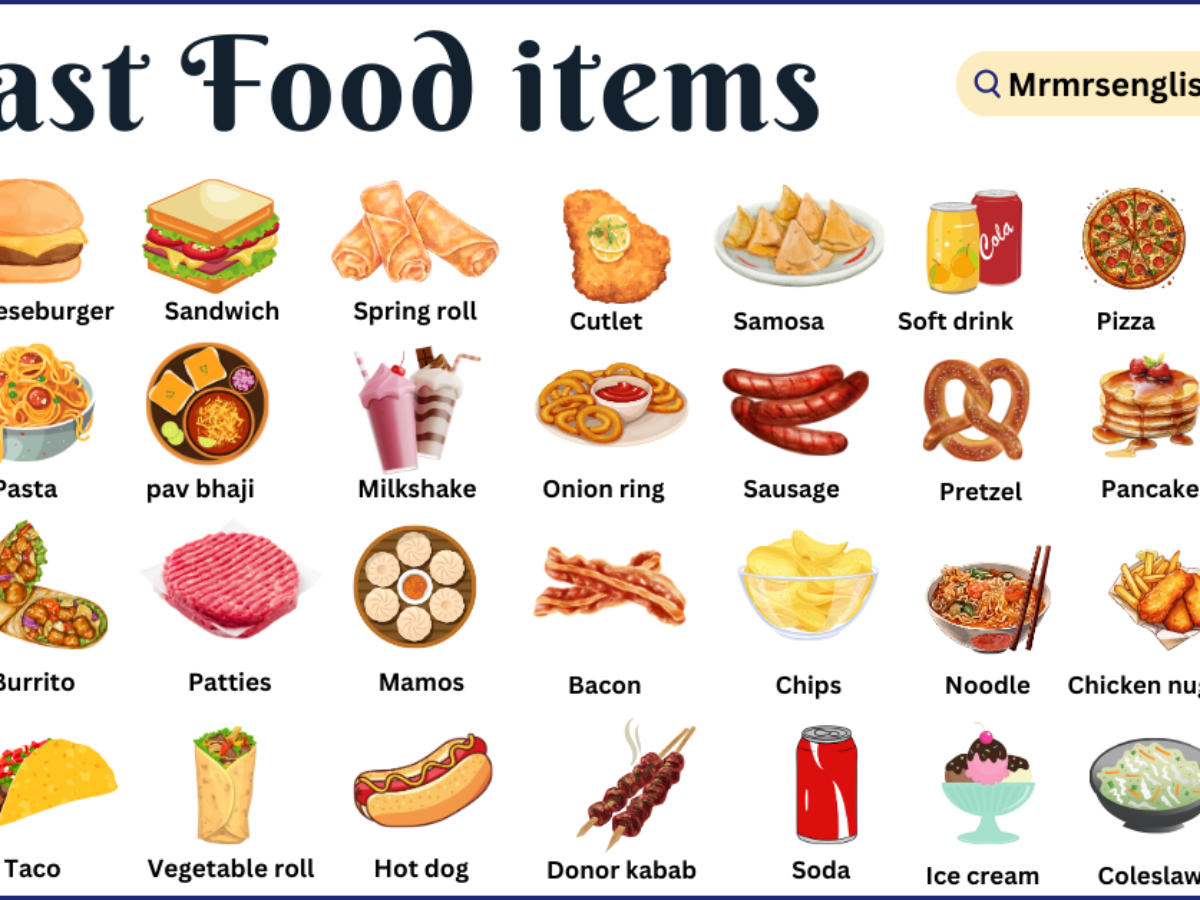
Frequent reliance on packaged snacks, sugary drinks, and refined baked goods crowds out more nourishing choices and supplies excess salt, sugar, and trans fat, factors linked to weight gain and metabolic strain.
Conclusion
Thoughtful food selections act as daily maintenance for the body and mind. Emphasizing whole ingredients, varied colors, and sensible portions guards against disease, sharpens cognition, and supports healthy weight. Awareness of allergens, safe handling, and the pitfalls of highly processed products further protects well-being.
Recommendations and Future Research
To strengthen public health, several practical steps are worth adopting:
1. Share clear, engaging guidance on building balanced plates that celebrate fruits, vegetables, whole grains, and lean proteins.
2. Make whole foods more accessible and appealing while reducing marketing pressure toward heavily processed snacks.
3. Fund studies that explore how diverse dietary patterns influence long-term vitality, disease resistance, and mental clarity.
Priority research topics include:
1. Lifelong effects of specific food groups on organ health and longevity.
2. Culinary strategies that enhance prevention or complement medical care for chronic conditions.
3. Connections between diet quality, mood regulation, and cognitive performance across age groups.
Pursuing these directions will deepen collective knowledge and help more people enjoy the lasting benefits of wholesome, enjoyable eating.


