

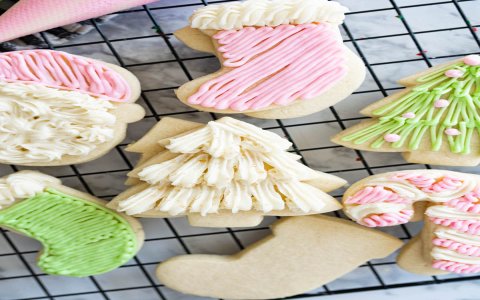
Royal Icing Recipe for Sugar Cookies: A Comprehensive Guide
Introduction
Sugar cookies are a timeless classic, often enjoyed during festive seasons and special occasions. One of the key elements that elevate these delightful treats is the royal icing. Royal icing is a type of icing that is known for its smooth, glossy finish and durability. In this article, we will delve into the royal icing recipe for sugar cookies, exploring its history, ingredients, and techniques. We will also discuss the importance of royal icing in sugar cookie baking and provide tips for achieving the perfect royal icing recipe.

The History of Royal Icing
Royal icing has a rich history that dates back to the 17th century. It was originally used by royal bakers in Europe to decorate wedding cakes and other special occasion desserts. The name royal was given to this icing due to its association with the royal courts. Over time, royal icing has become a staple in the world of sugar cookie baking, and its popularity continues to grow.
Ingredients for Royal Icing
The key ingredients for royal icing include powdered sugar, egg whites, and vanilla extract. Other optional ingredients, such as lemon juice or cream of tartar, can be added to adjust the consistency and texture of the icing. Here is a basic royal icing recipe for sugar cookies:
Ingredients:
– 3 cups powdered sugar
– 3 large egg whites
– 1/2 teaspoon vanilla extract
– Optional: 1/4 teaspoon lemon juice or cream of tartar
Mixing the Royal Icing
To mix the royal icing, start by whisking the egg whites in a clean, dry bowl until they form soft peaks. Gradually add the powdered sugar and vanilla extract, continuing to whisk until the mixture is smooth and glossy. If the icing is too thick, add a little water or lemon juice; if it’s too thin, add more powdered sugar.

Consistency and Texture
The consistency of royal icing is crucial for achieving the perfect sugar cookie. For a smooth, glossy finish, the icing should be thick but still pourable. To test the consistency, spoon a small amount of icing onto a plate and let it sit for a few seconds. If it forms a peak, the icing is too thick; if it runs off the plate, it’s too thin. Adjust the consistency as needed by adding more powdered sugar or water.
Royal Icing Techniques
There are several techniques for applying royal icing to sugar cookies. Here are a few popular methods:
1. flooding:
This technique involves filling in the outline of the cookie with icing and then flooding the area with additional icing to create a smooth, even finish.

2. piping:
Piping involves using a piping bag and tip to create intricate designs on the cookies. This method requires practice and patience but can produce stunning results.
3. painting:
Painting is a simple technique that involves using a brush to apply the icing to the cookies. This method is great for creating solid colors or simple designs.
Royal Icing Tips and Tricks
To achieve the best results with royal icing, here are some helpful tips and tricks:
1. Clean equipment:
Ensure that all equipment, including bowls and utensils, are clean and dry before mixing the icing.

2. Allow time to dry:</
Give the cookies enough time to dry before handling them, as royal icing can be delicate when wet.
3. Practice:
Like any skill, mastering royal icing takes practice. Don’t be discouraged if your first attempts aren’t perfect; with time and patience, you’ll improve your technique.
Conclusion
Royal icing is a versatile and beautiful addition to sugar cookies, adding a touch of elegance and sophistication to these classic treats. By following this comprehensive guide, you can create the perfect royal icing recipe for your sugar cookies and achieve stunning results. Whether you’re a seasoned baker or a beginner, the world of royal icing is waiting to be explored. Happy baking!


