

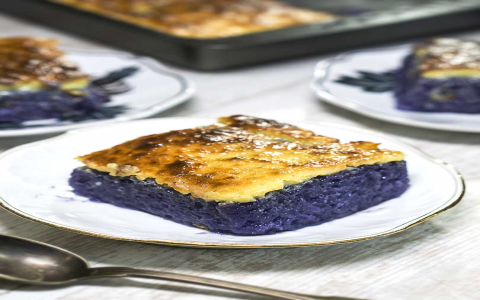
The Ultimate Guide to Yema Recipe: A Culinary Delight from the Philippines
Introduction
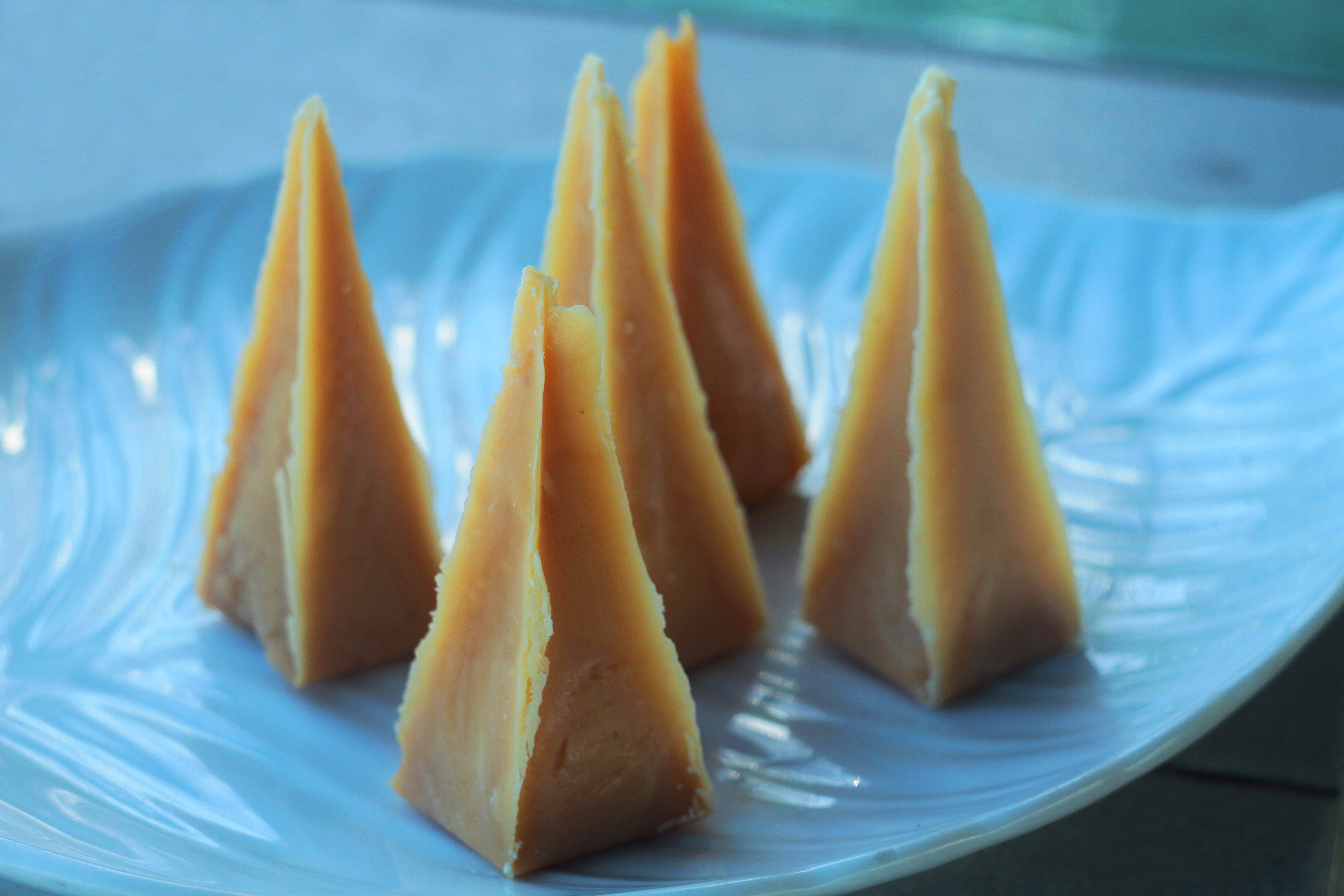
Yema, a popular dessert in the Philippines, has been captivating the taste buds of many for generations. Made from egg yolks, sugar, and sometimes milk or cream, this delightful treat is a symbol of Filipino culture and tradition. In this article, we will delve into the origins, preparation, and variations of yema recipe, highlighting its significance in Philippine cuisine. By the end of this article, you will have a comprehensive understanding of this mouthwatering dessert and its place in the culinary world.
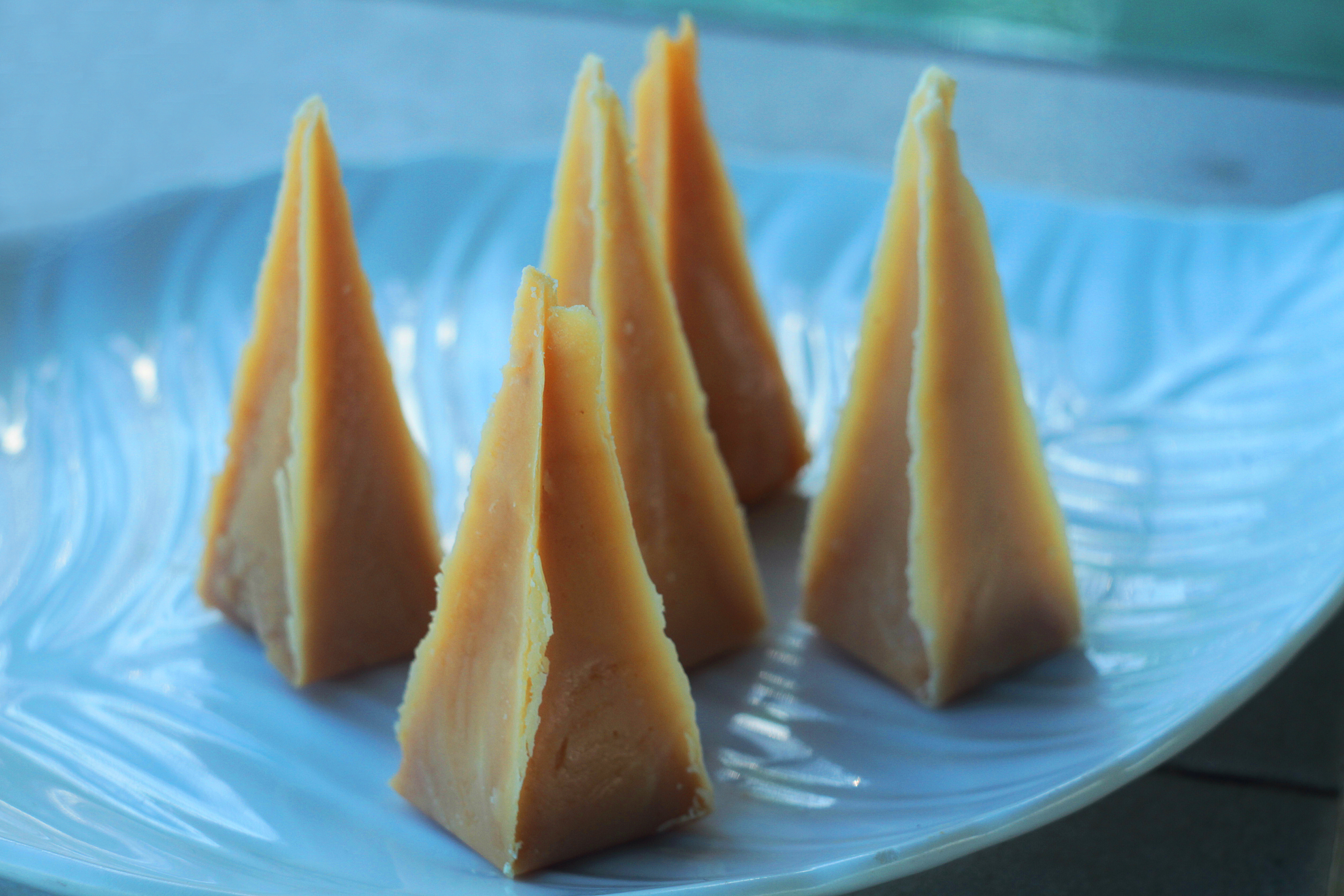
The Origins of Yema
Yema has its roots in Spanish cuisine, where it is known as yema or flan. The Spanish introduced this dessert to the Philippines during their colonization, and it quickly became a favorite among Filipinos. Over time, the recipe has evolved, incorporating local ingredients and flavors, making it a truly Filipino dessert.
Preparation of Yema
The preparation of yema is relatively simple, requiring only a few ingredients and some patience. Here’s a basic yema recipe:
Ingredients
– 6 egg yolks
– 1 cup sugar
– 1 cup milk
– 1/2 cup cream (optional)
– 1 teaspoon vanilla extract
Instructions
1. In a saucepan, combine the sugar and milk. Cook over medium heat until the sugar dissolves completely.
2. In a separate bowl, beat the egg yolks until smooth.
3. Gradually pour the hot milk mixture into the beaten egg yolks, stirring constantly to prevent curdling.
4. Return the mixture to the saucepan and cook over low heat, stirring constantly, until it thickens and coats the back of a spoon.
5. Remove from heat and stir in the vanilla extract.
6. Pour the mixture into ramekins or molds and refrigerate until set.
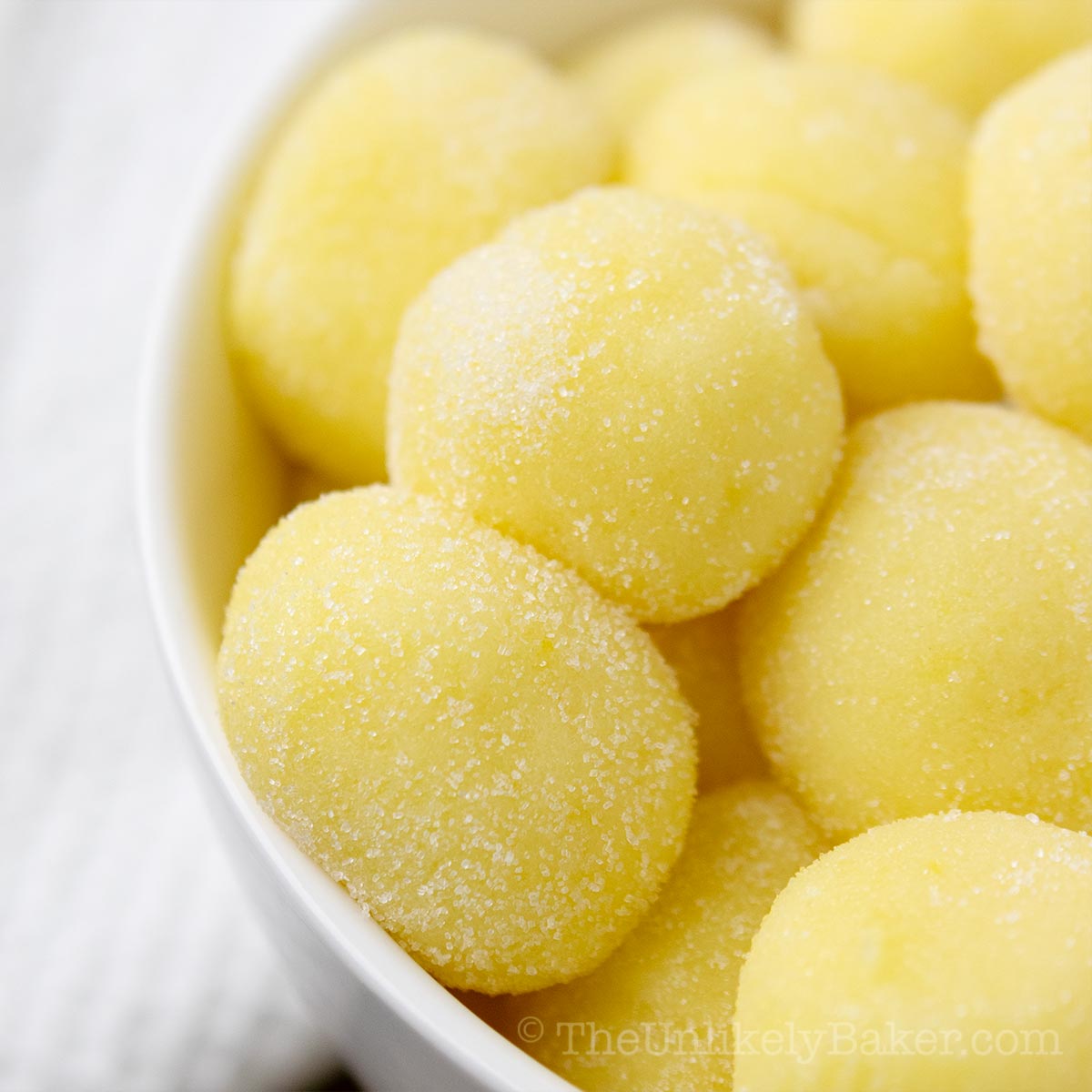
Variations of Yema
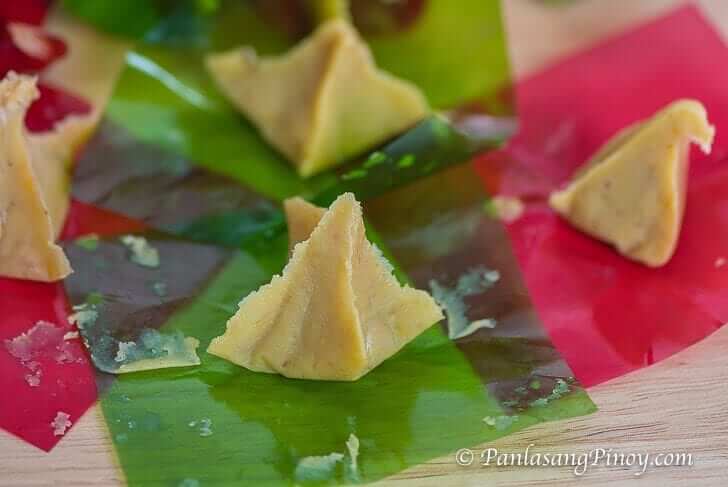
While the basic yema recipe is delicious, there are numerous variations that can be explored. Some popular variations include:
Coconut Yema
– Replace the milk with coconut milk for a tropical twist.
Yema Flan
– Add a layer of caramel at the bottom of the ramekin before pouring in the yema mixture.
Yema with Saffron
– Stir in a pinch of saffron threads for a luxurious flavor.
Nutritional Benefits of Yema
Yema is not only delicious but also offers several nutritional benefits. Egg yolks are a great source of vitamins A, D, E, and K, as well as minerals like phosphorus and selenium. Milk and cream provide calcium, protein, and vitamin D, making yema a nutritious treat.
Yema in Philippine Cuisine
Yema holds a special place in Philippine cuisine, often served during special occasions and family gatherings. It is a symbol of love, care, and togetherness, as it requires time and effort to prepare. In many Filipino households, yema is a staple dessert that brings people together.
Conclusion
Yema is a delightful dessert that has become an integral part of Philippine cuisine. With its simple preparation, numerous variations, and nutritional benefits, it is no wonder that yema has captured the hearts and taste buds of many. Whether you are a Filipino or simply a lover of delicious desserts, yema is a must-try treat that you won’t soon forget.
Future Research
Further research can be conducted to explore the cultural significance of yema in different regions of the Philippines. Additionally, studies can be conducted to determine the impact of yema on the local economy and its role in preserving Filipino culinary heritage.

