

The Rise and Fall of Trash Recipes: A Culinary Revolution or Just Garbage?
Introduction
In the world of culinary arts, there’s a growing trend that has sparked both intrigue and controversy: trash recipes. These recipes, often found on the fringes of the food world, involve using discarded or overlooked ingredients to create dishes that are both innovative and resourceful. But what drives this movement, and is it a genuine culinary revolution or just a passing fad? This article delves into the world of trash recipes, exploring their origins, impact, and the debate surrounding their place in modern cuisine.
The Concept of Trash Recipes
What Constitutes a Trash Recipe?
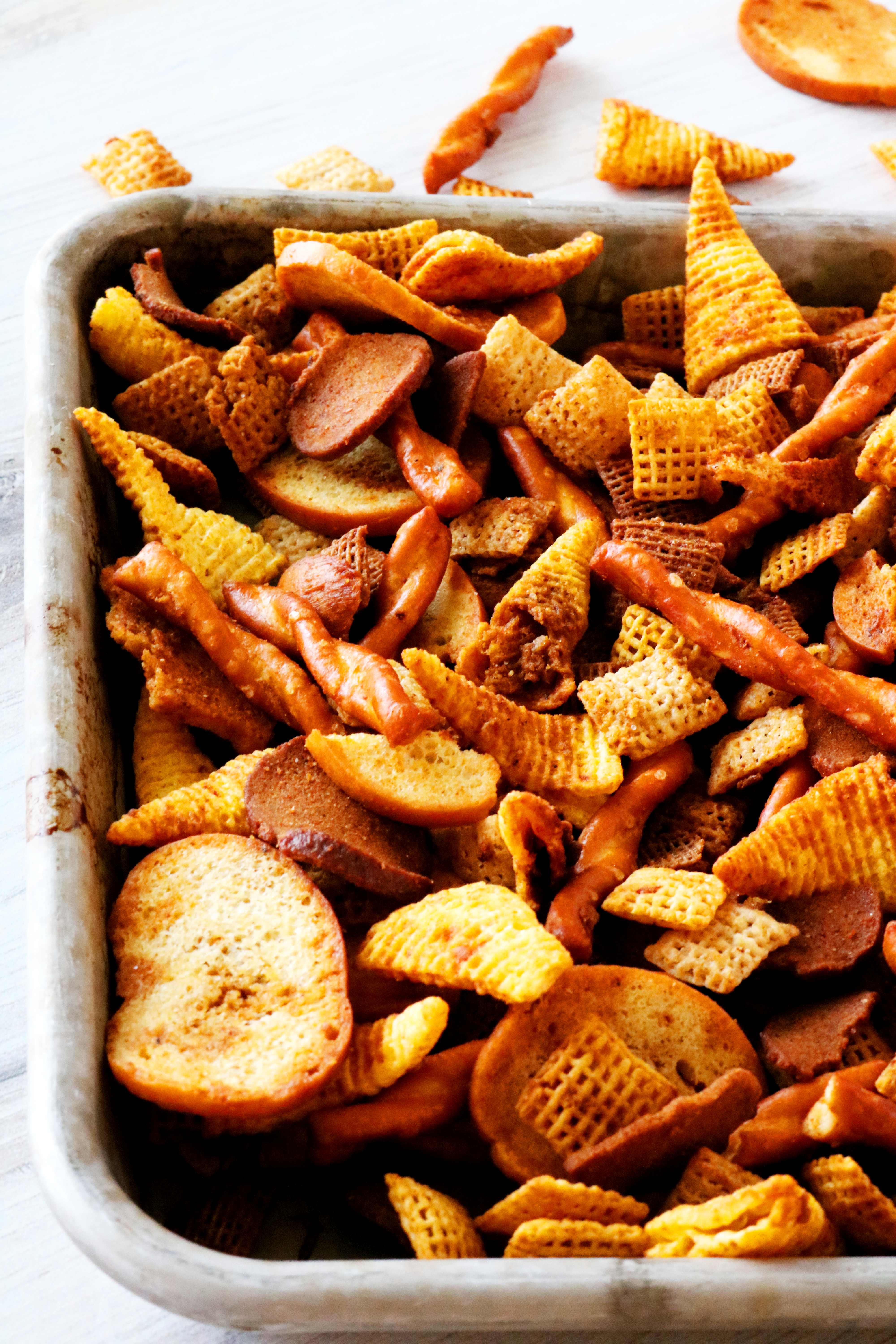
At its core, a trash recipe is one that utilizes ingredients that are typically discarded or overlooked. These can range from expired produce to food waste from restaurants and supermarkets. The term trash here is not meant to be derogatory but rather to highlight the unconventional nature of these recipes.
Origins of Trash Recipes
The concept of using discarded food to create culinary delights is not new. In times of scarcity, such as during the Great Depression, people were forced to be creative with what they had. However, the modern trash recipe movement has gained momentum in recent years, driven by several factors:
– Environmental Concerns: With the increasing awareness of food waste and its environmental impact, more people are looking for ways to reduce it.
– Economic Factors: The economic downturn has led to more people being resourceful with their food budgets.
– Culinary Innovation: Chefs and home cooks are constantly seeking new and exciting flavors, and using discarded ingredients can lead to unique and unexpected dishes.
The Impact of Trash Recipes
Environmental Benefits
One of the most significant impacts of trash recipes is their potential to reduce food waste. By using ingredients that would otherwise be thrown away, these recipes help to minimize the environmental footprint of the food industry.
Social Impact
The trash recipe movement also has social implications. It encourages a more sustainable and equitable approach to food consumption, making high-quality meals accessible to those who might not otherwise be able to afford them.
Culinary Innovation
From a culinary standpoint, trash recipes have sparked a wave of innovation. Chefs and home cooks are pushing the boundaries of what is considered edible, leading to a diverse and exciting array of dishes.
The Debate
Are Trash Recipes Just a Fad?
While some argue that trash recipes are just a passing fad, others believe they are here to stay. Proponents of the movement point to the environmental and social benefits, as well as the culinary innovation that comes with it.
Challenges and Criticisms
Critics argue that the focus on using discarded ingredients can overshadow the importance of food safety and quality. Additionally, there is a concern that the movement could perpetuate stereotypes about certain groups of people who are more likely to be affected by food waste.
Case Studies
Success Stories
Several restaurants and organizations have successfully implemented trash recipes into their menus and operations. For example, the Waste Not, Want Not initiative in the UK has helped to reduce food waste by 50% in participating restaurants.
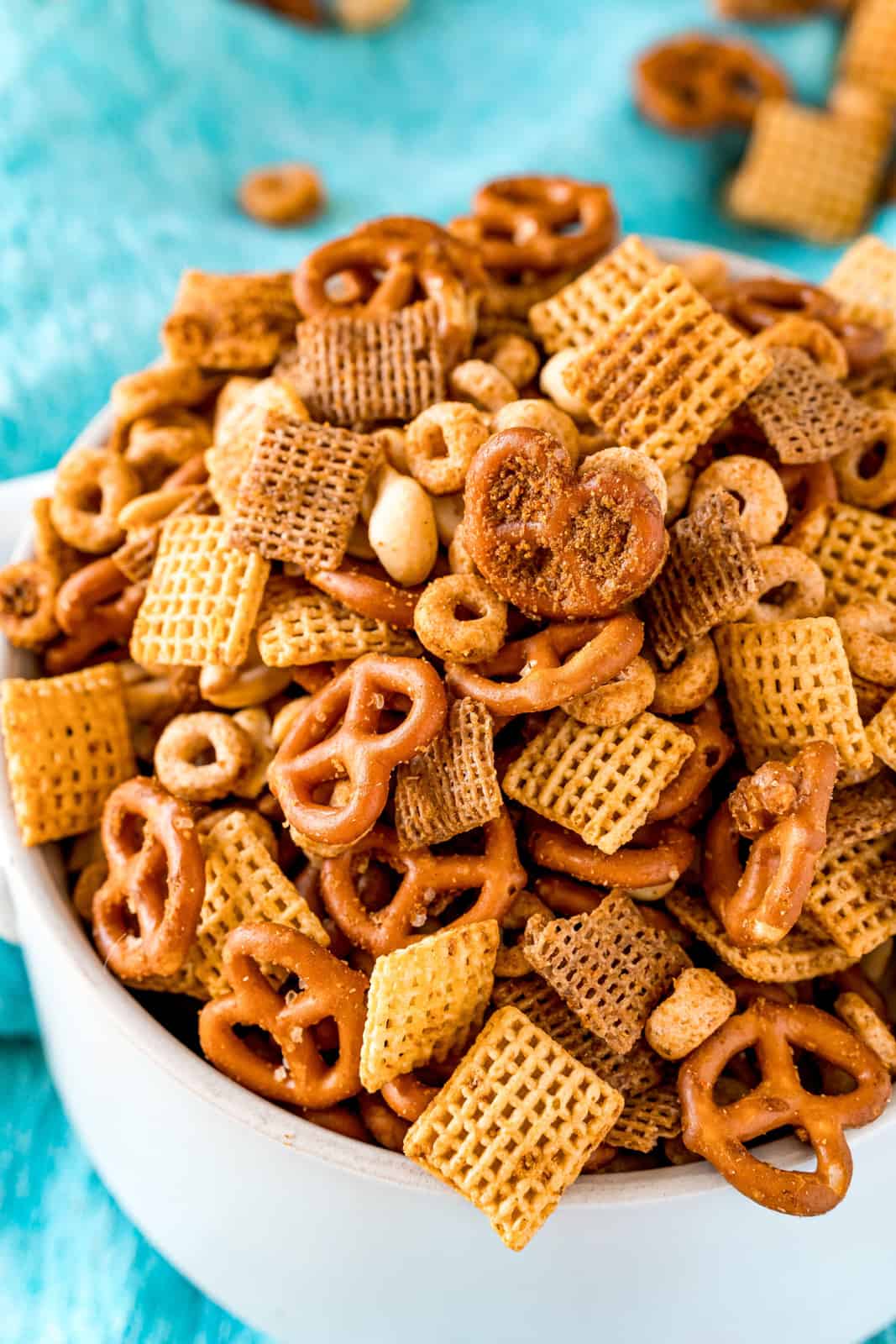
Challenges Faced
Despite these successes, many organizations face challenges in sourcing and preparing discarded ingredients. Issues such as food safety, quality, and logistics can make it difficult to implement trash recipes on a large scale.
The Future of Trash Recipes
Opportunities for Growth
The trash recipe movement has the potential to grow and evolve. With increased awareness of food waste and the need for sustainable practices, more people and organizations are likely to embrace this concept.
Future Research Directions
Future research should focus on the following areas:
– Food Safety and Quality: Developing guidelines and best practices for using discarded ingredients safely.

– Sustainability: Exploring the long-term environmental and social impacts of trash recipes.
– Culinary Innovation: Encouraging chefs and home cooks to continue pushing the boundaries of what is considered edible.
Conclusion
The trash recipe movement is a fascinating and complex phenomenon that has the potential to make a significant impact on our food system. While it is not without its challenges, the environmental, social, and culinary benefits make it a topic worth exploring further. As we continue to grapple with the issues of food waste and sustainability, trash recipes may just be the key to a more sustainable and equitable future.
Revisiting the Purpose

The purpose of this article was to delve into the world of trash recipes, examining their origins, impact, and the debate surrounding their place in modern cuisine. By providing a comprehensive overview of the topic, we have aimed to shed light on the potential of trash recipes to address pressing issues such as food waste and sustainability. As we move forward, it is crucial to continue exploring and refining this concept to ensure its long-term viability and positive impact on our society.


