


The Ultimate Guide to Top Food Platforms: A Comprehensive Review
Introduction
In today’s connected world, the web has become an essential companion for anyone who loves to cook or eat. From quick weeknight dinners to ambitious weekend projects, online food hubs gather inspiration, instruction, and community in one place. This overview walks you through the most helpful food platforms, spotlighting what makes each one special and how they can level-up your time in the kitchen or at the table.

The Importance of Leading Food Platforms
Reliable food sites do more than store recipes; they shorten the distance between curiosity and confidence. By gathering tested ideas, honest reviews, and supportive forums, they turn vague cravings into clear next steps. Below are the main benefits home cooks and food lovers gain from these destinations.
1. Recipe Discovery
A great recipe portal offers endless ideas sorted by cuisine, diet, or skill level. Whether you need a one-pot vegan dinner or an elaborate pastry, clear instructions and user photos help you picture the result before you preheat the oven.
2. Restaurant Reviews and Recommendations

When you feel like letting someone else do the cooking, curated restaurant guides point you toward memorable meals. Short write-ups cover atmosphere, signature dishes, and price range so you can book with confidence.
3. Food Product Reviews
From blenders to specialty spices, expert and community reviews highlight gear and ingredients that are truly worth the shelf space. Side-by-side comparisons save you from pricey experiments.
4. Community and Networking
Comment threads, forums, and themed challenges connect people who share a passion for flavor. Swapping tips or triumphs with strangers across the globe keeps motivation high and creativity fresh.

Top Food Platforms Worth Bookmarking
1. Allrecipes
Boasting millions of user-submitted recipes, this veteran site remains a go-to for everyday cooking. Star ratings, tweak notes, and helpful photos guide you to dishes that have already won over countless kitchens.
2. Food Network
Well-produced videos, celebrity chef tutorials, and a deep archive of cuisines make this portal ideal for visual learners. Step-by-step clips demystify techniques that sound tricky on paper.
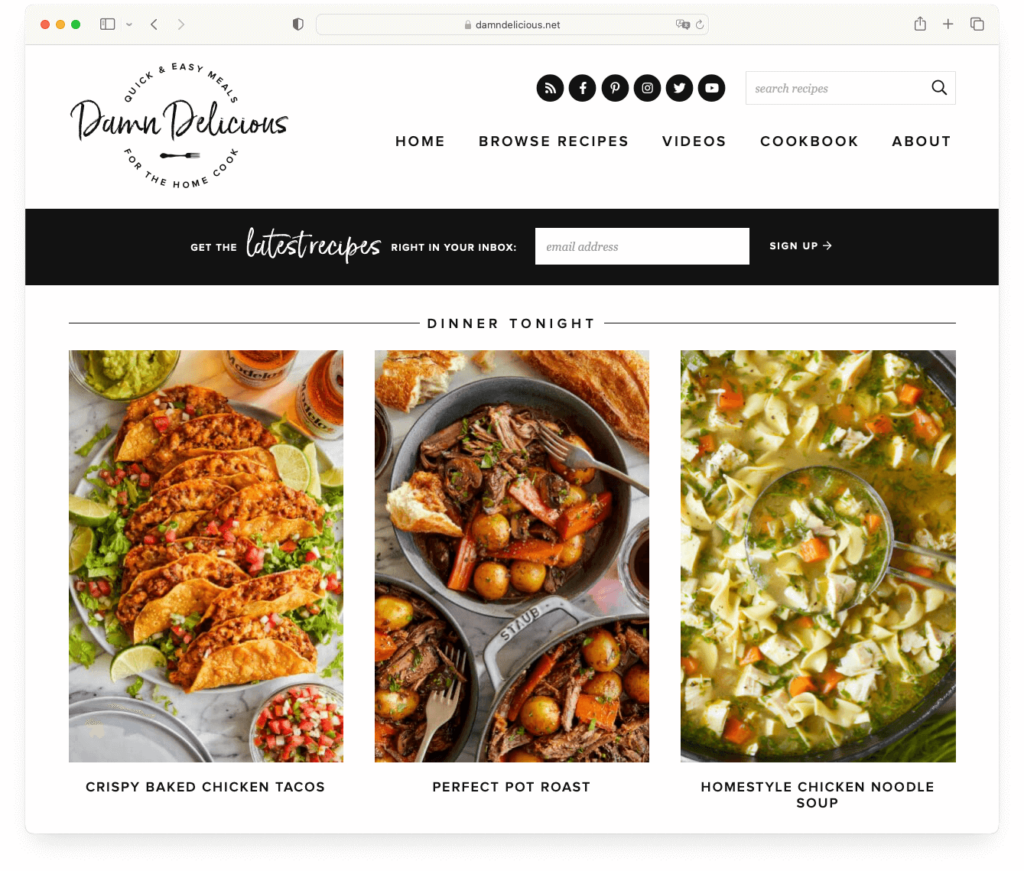
3. Epicurious
Known for polished editorial content, Epicurious pairs restaurant-quality recipes with articles on trends and techniques. A smart shopping-list tool automatically gathers ingredients as you browse.
4. The Kitchn
This breezy blog focuses on doable, flavorful meals for hectic schedules. Shortcuts, storage hacks, and friendly comment sections create a welcoming space for beginners and seasoned cooks alike.
5. Serious Eats
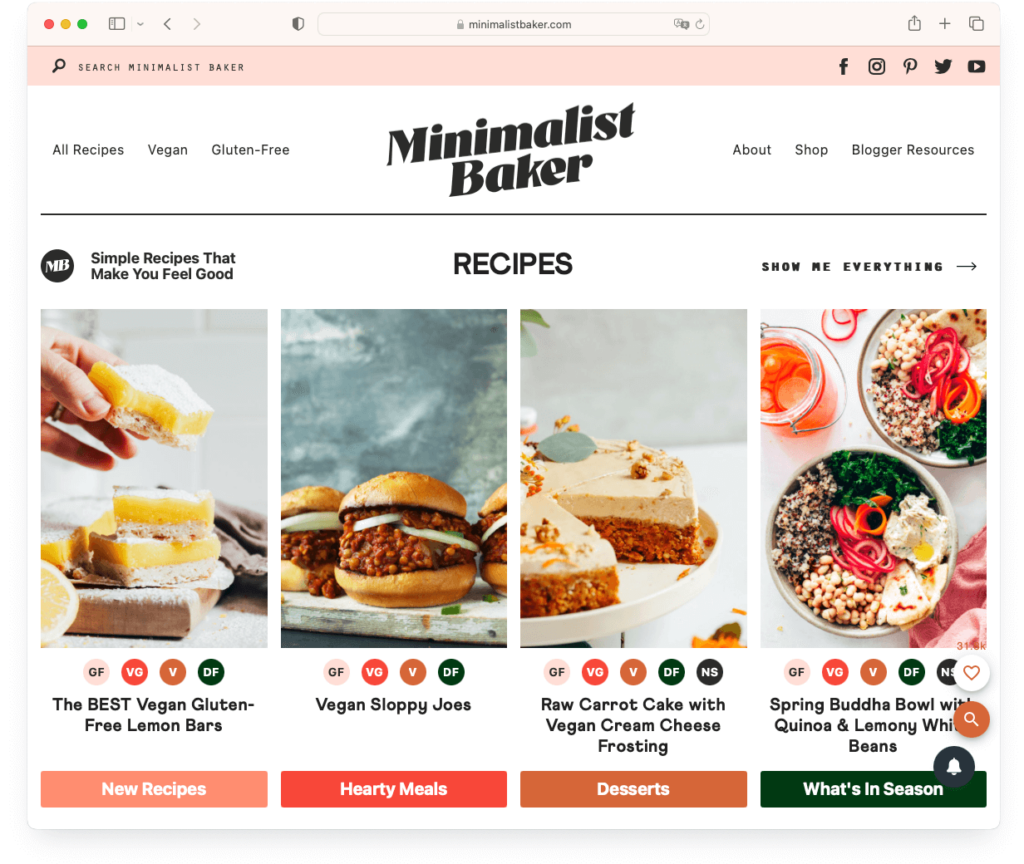
Science-minded articles and meticulously tested recipes appeal to curious minds. Deep dives into topics like sear theory or fermentation explain the “why” behind the “how,” turning rote steps into real understanding.
Conclusion
Trusted food platforms have become digital sous-chefs, reference librarians, and dinner clubs rolled into one. By exploring the strengths of each site, you can expand your repertoire, shop smarter, and connect with fellow enthusiasts. As technology and tastes evolve, these hubs will keep shaping how we discover, prepare, and celebrate food.
Recommendations and Future Research
To push the experience even further, developers and researchers might focus on the following areas.
1. Integration of Augmented Reality (AR)
AR overlays could guide knife skills or visualize plating ideas in real time, bridging the gap between video and hands-on practice.
2. Enhanced Personalization
Smarter algorithms can surface recipes that respect allergies, budget limits, or pantry leftovers, cutting food waste and decision fatigue.
3. Collaboration with Local Food Communities

Partnerships with neighborhood markets, urban farms, or culinary schools can spotlight regional ingredients and hidden gem eateries, strengthening local food ecosystems.
Future research should also explore:
1. Impact of Online Food Platforms on Culinary Culture
Studies could track how constant exposure to global dishes changes home cooking patterns or ingredient availability in small towns.
2. User Engagement and Retention
Understanding what keeps visitors returning—gamified challenges, live cook-alongs, or social recognition—can inform friendlier, stickier platform design.
By pursuing these directions, food platforms can continue to inspire confidence, creativity, and connection at every level of the culinary journey.


