
The Impact of Cooking Videos on Contemporary Culinary Culture
Introduction
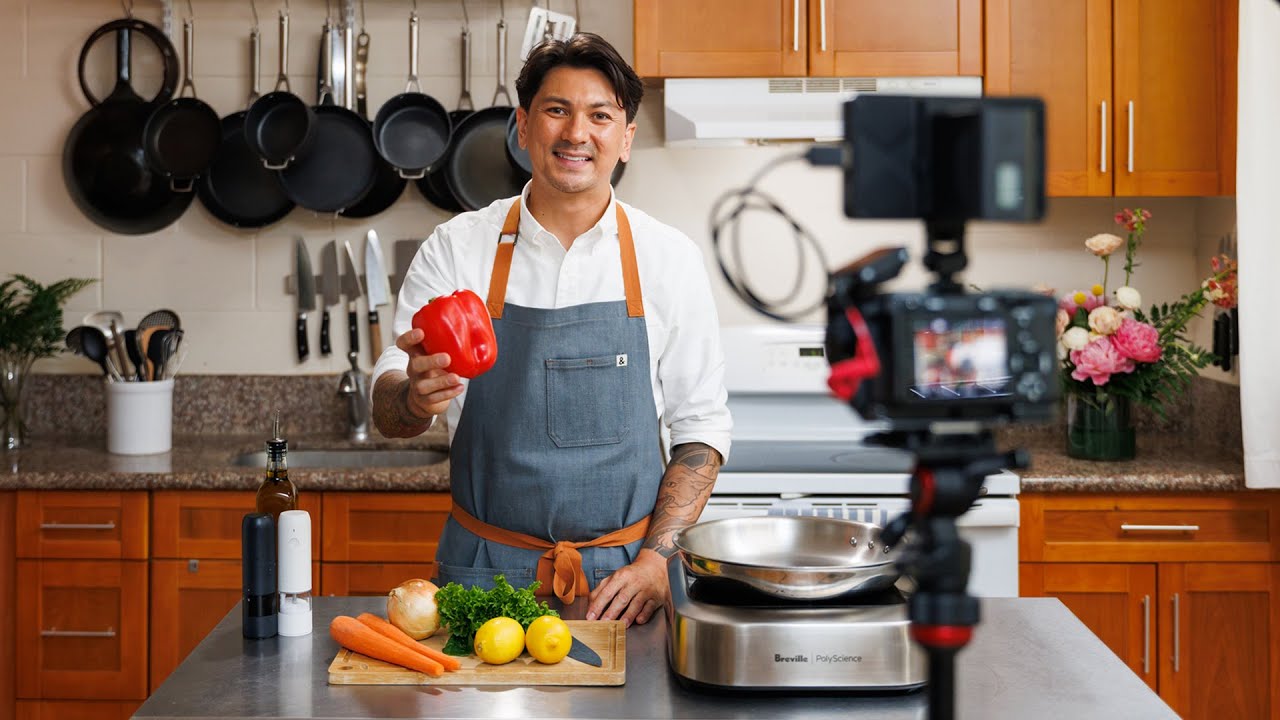
Cooking videos have woven themselves into the fabric of everyday food culture. Thanks to short-form and long-form platforms alike, clips that sizzle, chop, and simmer now attract millions of viewers daily. These bite-sized lessons demystify dishes, encourage experimentation, and turn solitary meal prep into a shared global pastime. This overview examines how such content is reshaping home kitchens, highlighting advantages, common pitfalls, and likely next steps.
The Benefits of Cooking Videos
1. Accessibility to a Wide Range of Recipes
A few swipes deliver everything from street-food classics to plant-based twists on comfort fare. Because demonstrations cross borders instantly, home cooks can sample flavors once limited to distant restaurants or distant memories, broadening both palate and skill set.
2. Step-by-Step Guidance
Split-screen close-ups, slow-motion pours, and timed voice-overs translate chef intuition into repeatable actions. Beginners especially value the pause button, which turns even intricate pastries into a series of manageable checkpoints.
3. Inspiration and Creativity
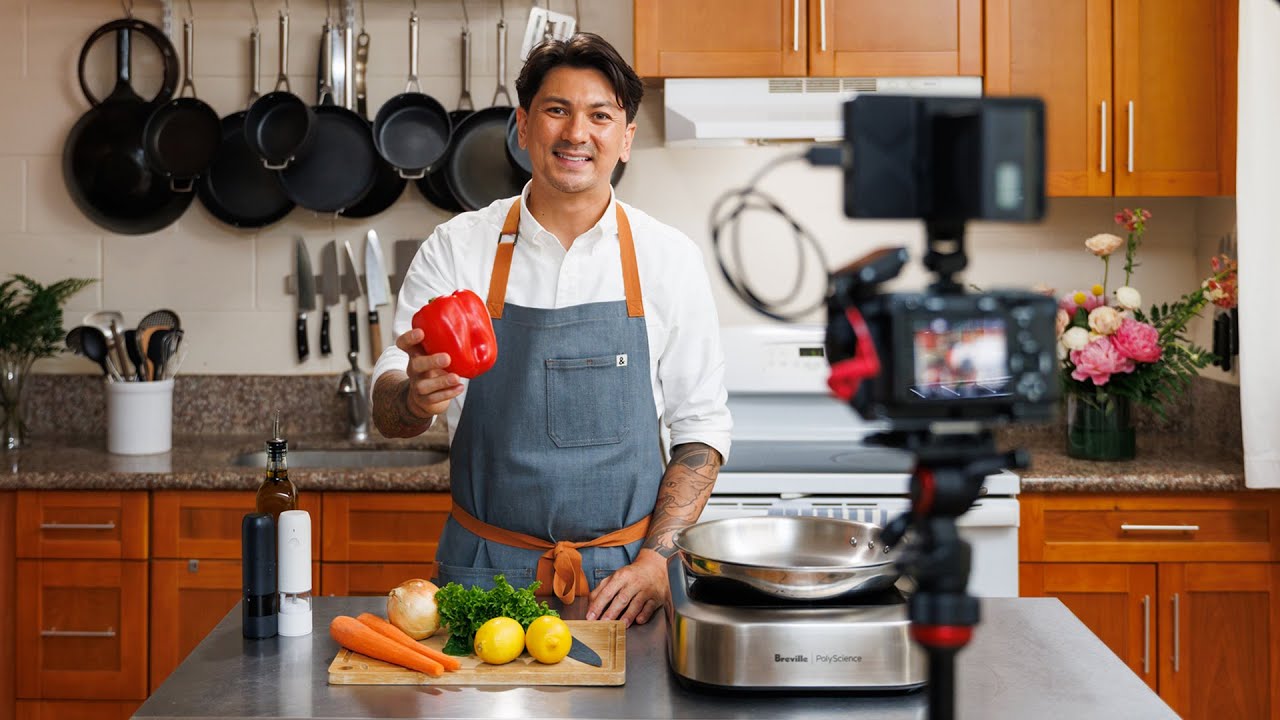
By watching a steady rotation of hosts, viewers absorb new plating ideas, knife techniques, and flavor pairings. Exposure to varied styles encourages improvisation, turning the weekly grocery haul into an open-ended creative brief.
4. Social Connection
Comment threads double as support groups where first-time bakers trade substitutions, celebrate successes, and laugh off flops. The resulting camaraderie reassures newcomers that every expert once scorched a pan or two.
Challenges of Cooking Videos

1. Quality and Accuracy
Not every clip is tested before posting; ingredient ratios can drift and oven temperatures may be guessed. Viewers who follow uncritically sometimes end up with sunken cakes or under-seasoned stews, proving that a glossy thumbnail is no guarantee of reliability.
2. Overreliance on Visuals
Those who learn primarily by sight may overlook tactile cues—dough elasticity, oil shimmer, or the aroma that signals doneness. Relying solely on what appears on screen can stall the development of instinctive kitchen judgment.
3. Unrealistic Expectations

Professional lighting, styling tricks, and multiple takes create edible photo shoots that look effortless. When a home version emerges less pristine, discouragement can overshadow the simple joy of a homemade meal.
The Future of Cooking Videos
1. Enhanced Interactivity
Live streams already let audiences ask questions in real time; soon, clickable ingredient lists and adjustable portion calculators will appear inside the player, tailoring the recipe on the fly to the number of diners or dietary needs.
2. Diverse Representation

Expanding the range of voices—grandmothers, street vendors, recent immigrants, urban gardeners—enriches the collective pantry and ensures more viewers see their own stories reflected in the food narrative.
3. Focus on Sustainability and Health
Clips that spotlight flexible produce choices, low-waste techniques, and balanced nutrition empower watchers to cook in ways that nourish both body and planet, one portion at a time.
Conclusion
Cooking videos have transformed the kitchen from a closed room into an open stage where anyone can learn, share, and applaud. Clear guidance sparks confidence, global reach fuels curiosity, and community comment sections offer real-time coaching. Yet discernment remains essential: verifying techniques, tempering expectations, and engaging all the senses will keep the experience rewarding. As technology and inclusivity advance, these vibrant snippets will continue to shape how the world shops, chops, and savors—one play button at a time.