


Title: The Significance of Collected Recipes in Culinary Heritage and Modern Cooking
Introduction:
Culinary heritage is a living archive of knowledge and tradition passed from one generation to the next. Among its most treasured elements are the countless recipes gathered over centuries, each one a snapshot of evolving tastes and techniques. This article explores why these compilations matter, tracing their historical roots, celebrating their cultural variety, and considering how technology is reshaping their future.
Historical Context of Collected Recipes
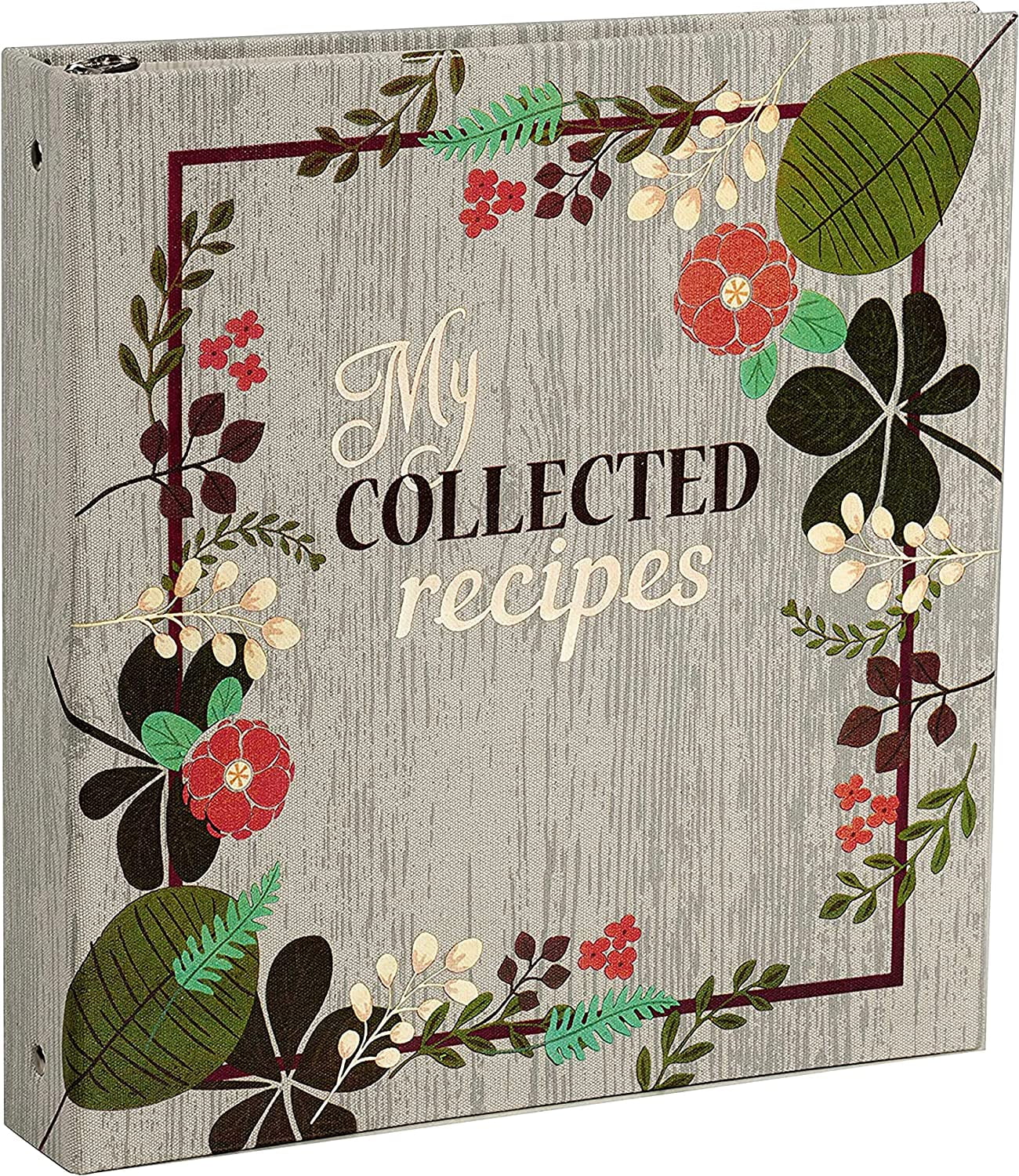
People have been writing down dishes since antiquity. Early civilizations etched ingredients and methods onto clay tablets, while medieval kitchens kept handwritten scrolls to safeguard family favorites. Such records ensured that flavors survived wars, migrations, and the slow drift of memory.
One of the oldest surviving works, compiled around the fifth century, gathers hundreds of Roman preparations heavy on herbs, honey, and wine. Over the centuries, similar anthologies appeared across continents, each reflecting local produce, trade routes, and changing palates.
Cultural Diversity in Collected Recipes
Every anthology is a passport to its homeland. A single volume can capture the smoky heat of a coastal barbecue, the delicate balance of a mountain broth, or the festive sweetness of a holiday bread. These pages remind readers that kitchens are cultural crossroads where technique meets story.
Classic French manuals popularized systematic sauces, while early Japanese texts celebrated seasonal ingredients and the art of umami. By leafing through such works, modern cooks encounter flavors that transcend borders and time zones, finding inspiration for tomorrow’s menus.
The Role of Technology in Collecting Recipes
Digital tools have turned recipe sharing into a global conversation. Websites, apps, and social feeds allow home cooks and professionals alike to post, adapt, and annotate dishes within seconds. The result is an ever-growing cloud cookbook that updates faster than any print edition.
Smart algorithms now study user ratings and pantry staples to suggest weeknight dinners or ambitious weekend projects. Meanwhile, high-resolution photos and step-by-step videos make once-mysterious techniques approachable for beginners everywhere.
The Impact of Collected Recipes on Modern Cooking
Contemporary chefs often raid the past for tomorrow’s specials. A medieval spice blend might reappear atop a sous-vide carrot; a grandmother’s stew could inspire a vegan pop-up. By honoring origins while embracing new tools, cooks keep heritage dynamic rather than frozen.
Documenting regional specialties also safeguards them. When a remote valley’s dumpling or fermented side dish is recorded and shared, its survival no longer depends solely on elders’ memories. Each upload, like, and repost becomes a small act of cultural conservation.
Conclusion
Collected recipes bridge yesterday’s hearths and tomorrow’s tables. They remind us that every ingredient carries history, every method tells a story, and every shared meal extends a chain of human connection. As new platforms emerge, the essential task remains the same: gather, taste, adapt, and pass it on.
Recommendations:

1. Digitize fragile handwritten cookbooks and make them freely available online.
2. Introduce culinary heritage modules in schools to spark early curiosity about food traditions.
3. Partner with local communities to record endangered dishes before they fade from everyday use.
Future Research:
1. Track how archived recipes influence fusion cuisines and street-food trends.
2. Evaluate emerging technologies that improve recipe preservation and multilingual access.
3. Compare regional attitudes toward recipe sharing and their effects on global gastronomy.


