

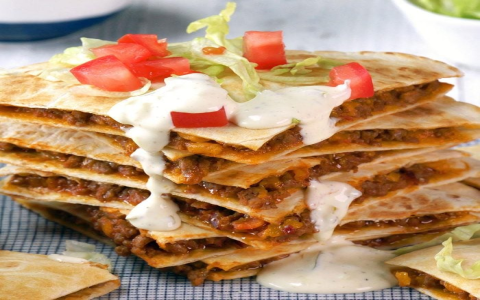
The Art and Science of Preparing Meals: A Comprehensive Overview
Introduction
Preparing meals is a timeless human practice that reaches far beyond simple sustenance. It is a canvas for creativity, a carrier of culture, and a daily ritual that shapes identity. This overview explores how cooking blends artistry with scientific insight, highlighting its significance, the techniques involved, and the influence it exerts on everyday life.
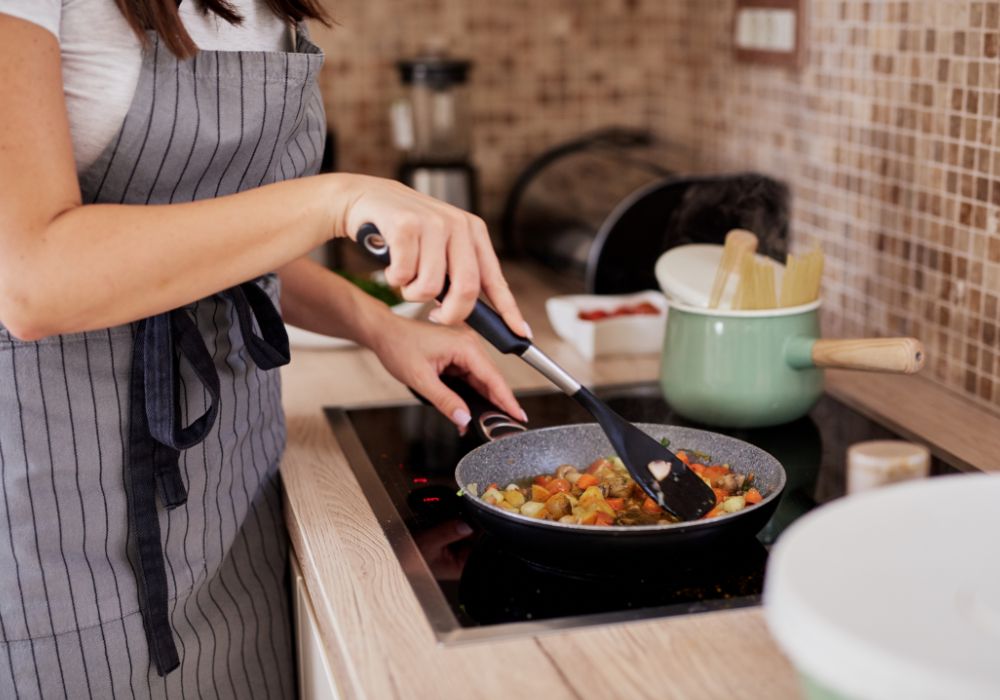
The Significance of Preparing Meals
Cooking matters for multiple reasons. It nourishes the body, safeguards heritage through beloved recipes, and acts as a social magnet that draws families and friends around the same table. Each dish tells a story of place, season, and shared experience.
The Science Behind Cooking
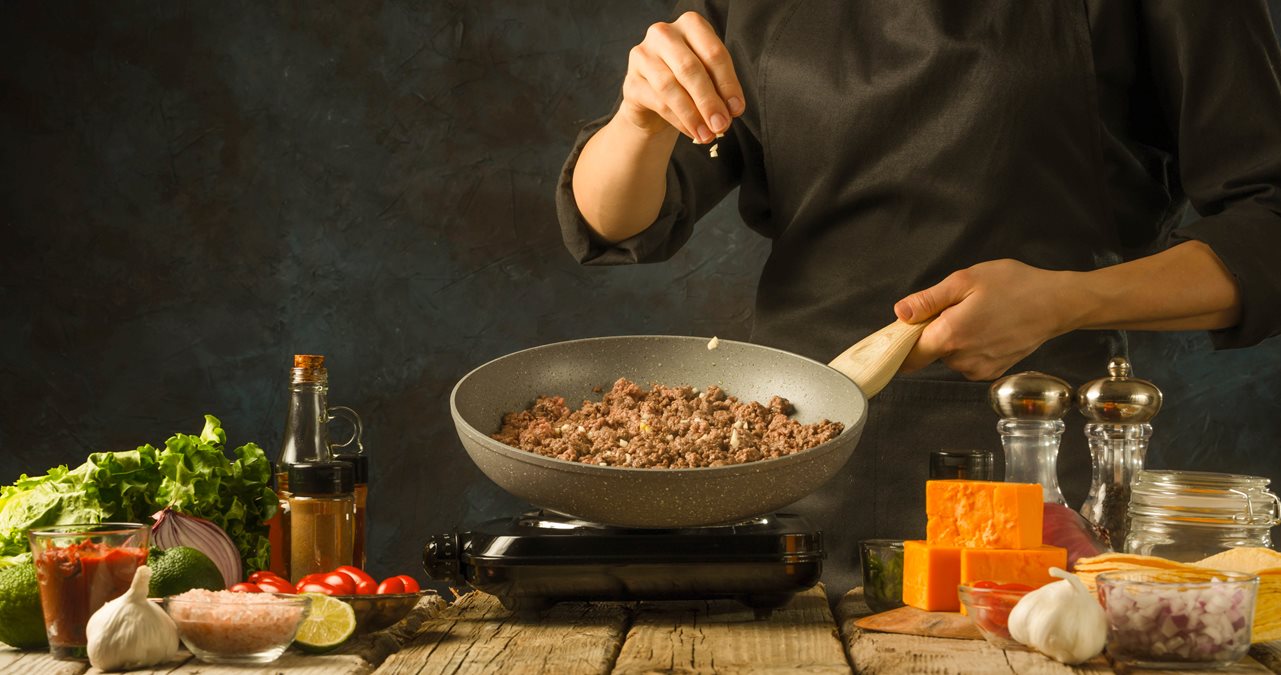
Understanding heat transfer, protein denaturation, and caramelization helps cooks turn raw ingredients into balanced, flavorful dishes. Knowledge of safe temperatures, nutrient retention, and microbial control further ensures that meals are as healthful as they are delicious.
Core Techniques in the Kitchen
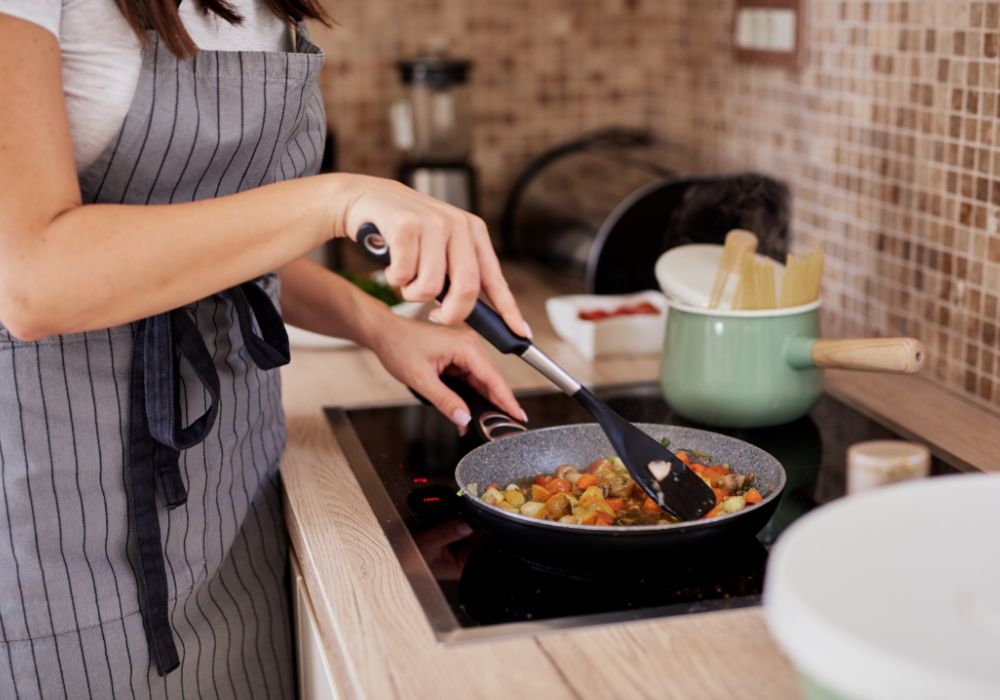
Several foundational methods define how we transform ingredients:
1. Heat-Based Cooking
Applying heat—whether by boiling, steaming, roasting, or grilling—develops texture, deepens flavor, and makes nutrients more accessible. Choosing the right temperature and timing is key to preserving both taste and nutrition.
2. Marination
Soaking foods in seasoned liquids tenderizes fibers and layers in aromatic complexity. Acids, oils, herbs, and spices work together to create depth without overpowering the main ingredient.

3. Fermentation
Controlled microbial activity converts sugars into acids or alcohol, yielding staples such as bread, yogurt, and pickled vegetables. This ancient technique extends shelf life while adding distinctive tang and probiotic benefits.
4. Preservation
Drying, smoking, and vacuum sealing slow spoilage, allowing seasonal produce and prepared dishes to be enjoyed long after harvest. These methods reduce waste and expand culinary possibilities year-round.
How Cooking Shapes Daily Life

The act of preparing food influences well-being, identity, and community in measurable ways:
1. Wellness and Nutrition
Thoughtful cooking balances macronutrients, vitamins, and minerals, supporting energy levels and long-term health. Conversely, habitual reliance on heavily processed options can contribute to chronic conditions.
2. Cultural Continuity
Recipes handed down through generations preserve language, ritual, and memory. Each repetition in the kitchen reinforces a living link between past and future.
3. Social Connection
Shared preparation and communal dining encourage conversation, cooperation, and celebration. From weeknight dinners to holiday feasts, these moments strengthen bonds and create lasting memories.
Technology’s Influence on Modern Cooking
Innovation continues to reshape how we approach food:
1. Smart Appliances
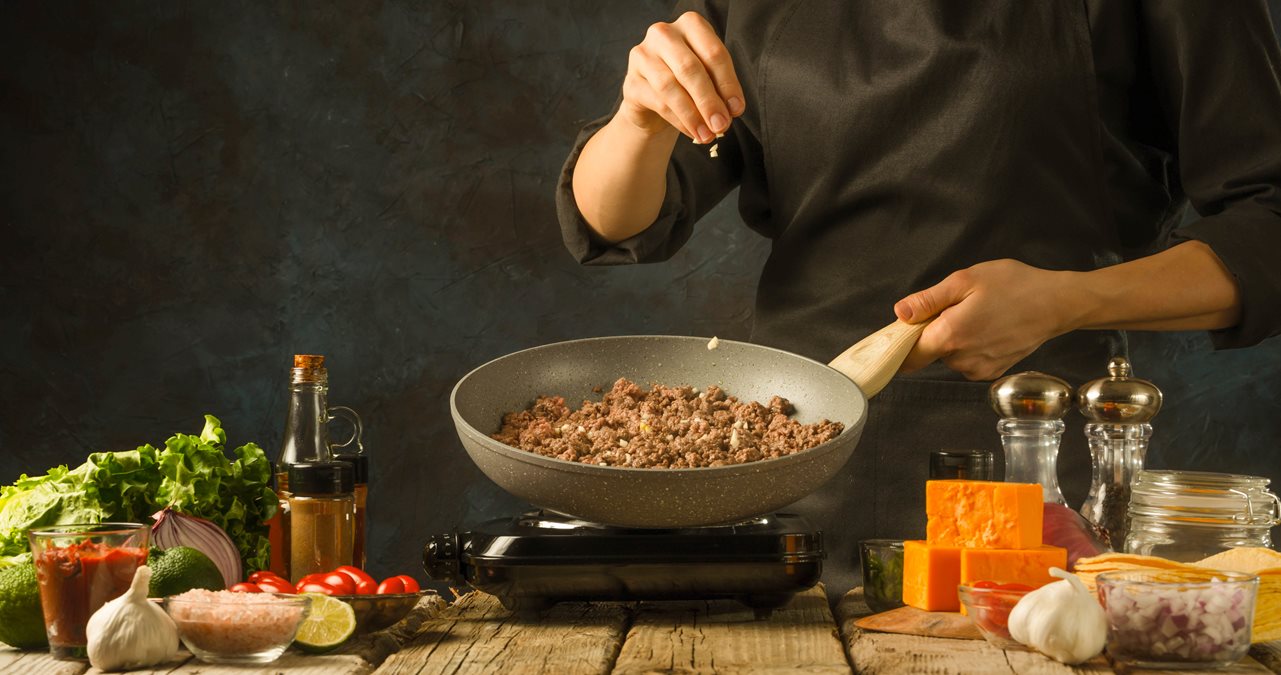
Precision ovens, induction cooktops, and multi-function devices streamline tasks, reduce energy use, and free up time for creativity.
2. Processing Advances
Flash-freezing, high-pressure pasteurization, and modified-atmosphere packaging extend freshness without sacrificing flavor or nutritional value.
3. Digital Resources
Online tutorials, interactive recipe apps, and global ingredient suppliers put expert guidance and exotic flavors within easy reach of home cooks everywhere.
Conclusion
Preparing meals weaves science, culture, and community into a single, daily practice. By mastering fundamental techniques and embracing thoughtful innovation, anyone can turn ordinary ingredients into nourishing, memorable experiences. As tools and knowledge evolve, the kitchen remains a space where creativity meets care, ensuring that the simple act of cooking continues to enrich life at every table.


