


Dishes Made in the United States: A Culinary Journey Through American Cuisine
Introduction
American food, sometimes overlooked on the world stage, is a vibrant mosaic of regional tastes and global inspirations. Recipes developed across the nation mirror its layered history, steady cultural exchange, and everyday creativity. From the ever-present burger to the soothing embrace of mac and cheese, the cuisine balances tradition with playful reinvention. This overview traces how these emblematic plates came to be and why they still matter.

The Evolution of American Cuisine
Early Influences
Long before diners and drive-ins, Indigenous communities cultivated corn, beans, and squash—often called the Three Sisters—laying the groundwork for countless meals. Later arrivals from Europe, Africa, Asia, and Latin America added new spices, livestock, and techniques, weaving an ever-expanding culinary fabric.
The Colonial Period
In colonial kitchens, Old-World recipes met New-World produce. English roasts simmered alongside corn-based stews, while Spanish peppers brightened Dutch cheeses. Each group seasoned the pot, producing hybrid dishes that felt at once familiar and fresh.

The 19th Century: The Rise of Regional Cuisine
As settlers moved west, distinct foodways emerged. The South perfected slow-cooked greens and golden fried chicken, Midwestern farm towns prized hearty casseroles, and frontier ranches popularized smoky barbecue and chili brimming with cumin and chiles.
Iconic Dishes Made in the United States
The Hamburger
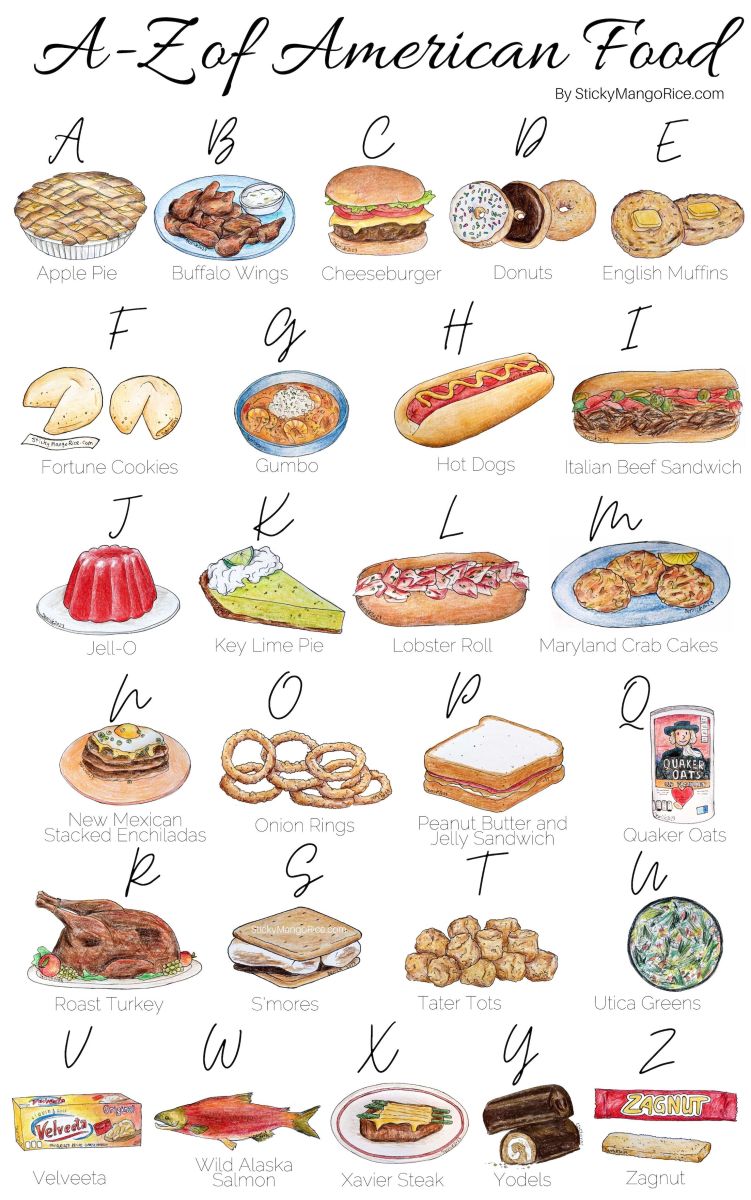
What began as a minced-beef steak among immigrant communities soon met a soft bun, becoming the hamburger. Quick to cook, easy to hold, and open to endless toppings, it rolled from state fairs to hometown grills and secured its spot as the nation’s go-to sandwich.
Macaroni and Cheese
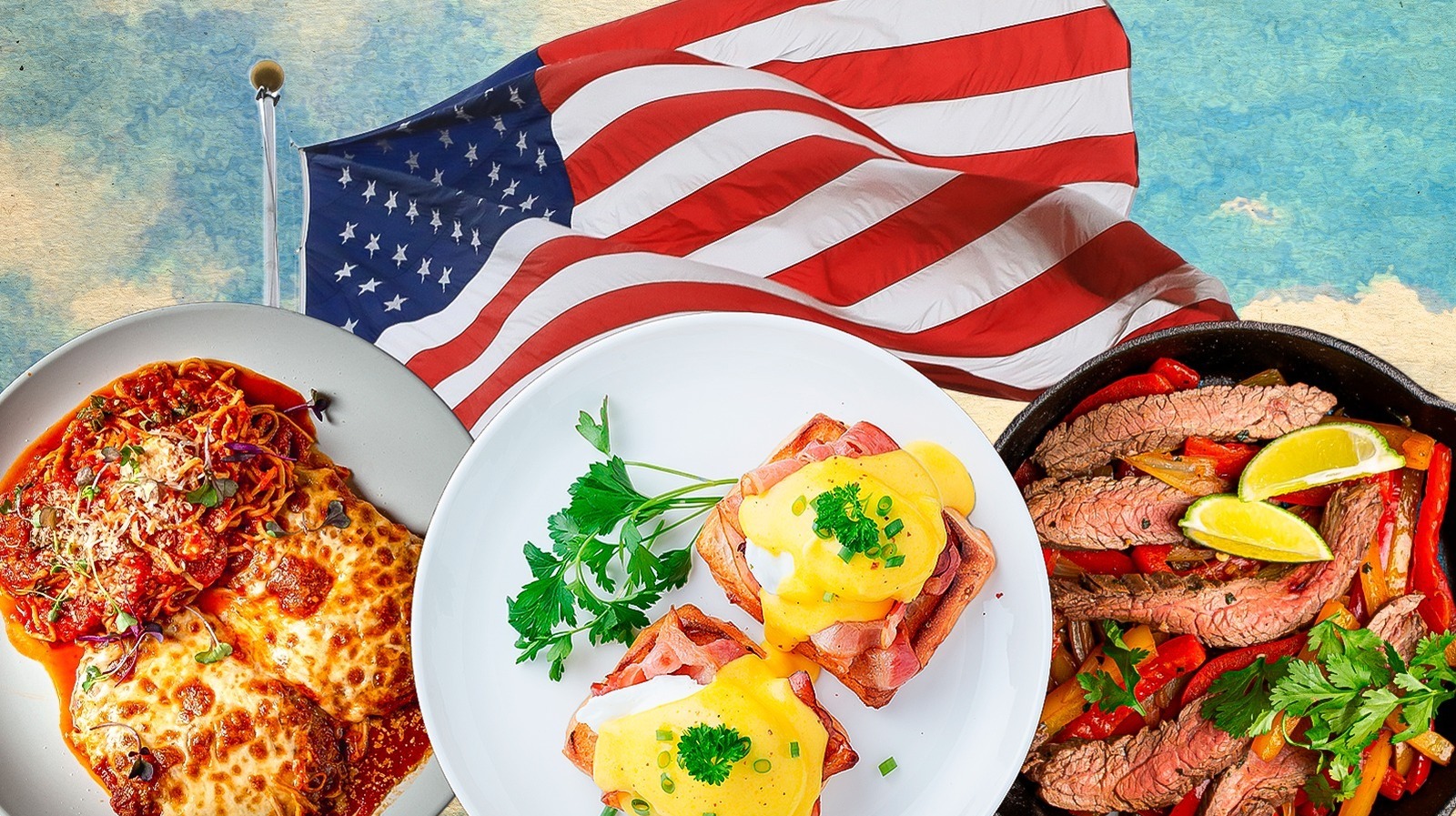
Pasta cloaked in creamy sauce gained traction thanks to home economists who prized affordable nourishment. Over time, households added personal touches—sharp cheddar, a dash of mustard, or a crunchy breadcrumb lid—turning the dish into a universal comfort classic.
Apple Pie
Orchards planted by early settlers supplied the fruit; resourceful bakers supplied the lattice crust. Served warm with a scoop of ice cream or cooled beside a slice of cheddar, apple pie evokes harvest seasons, holidays, and after-school afternoons.
Chili
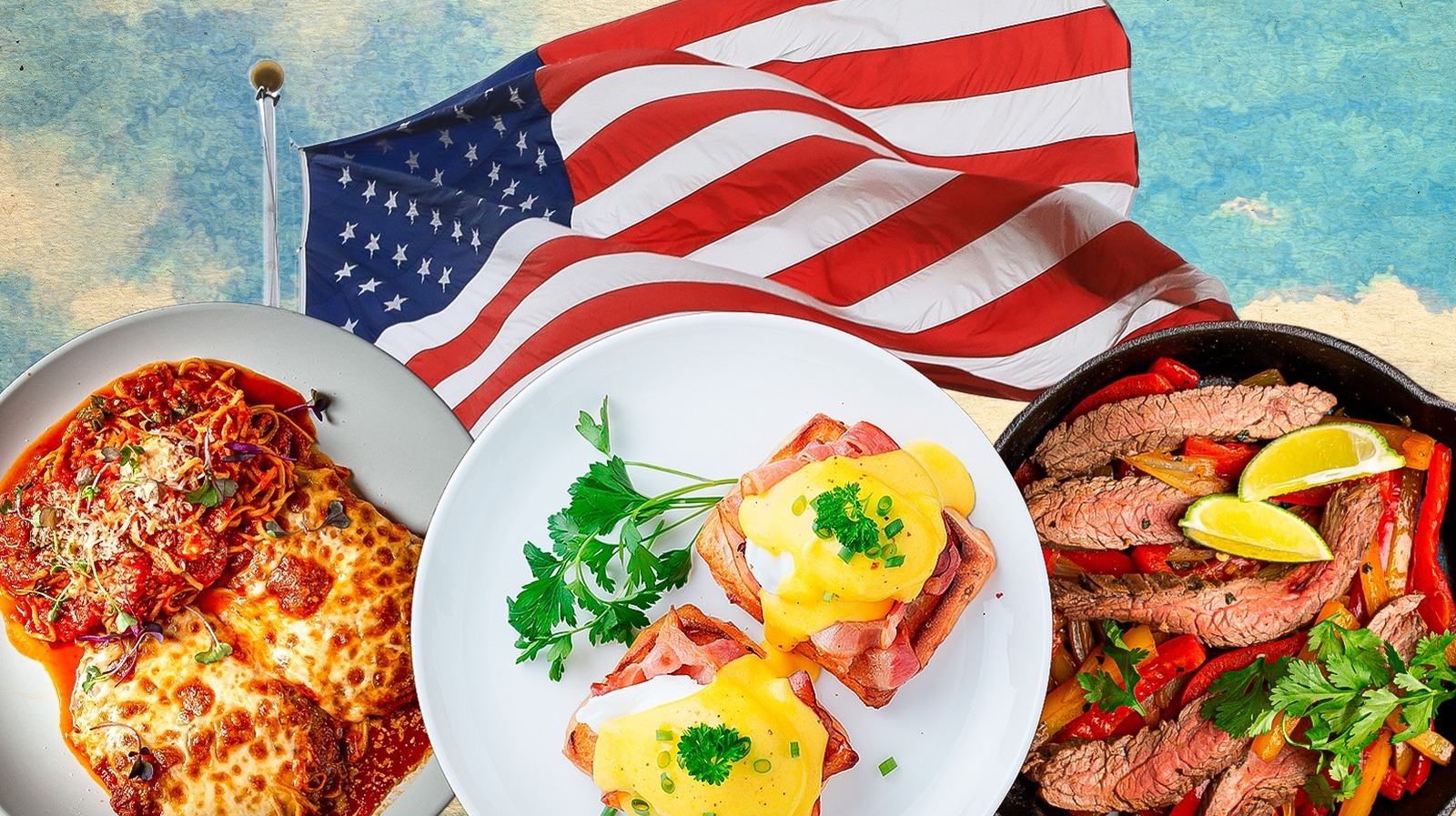
A slow-simmered blend of meat, tomatoes, and chile peppers, chili varies by locale—beans in some pots, extra heat in others. Cook-offs, family recipes, and roadside bowls keep the debate lively and the ladle ready.
The Globalization of American Cuisine
In recent decades, American flavors have traveled far beyond the country’s borders, carried by three main currents:
Technological Advancements
Recipe videos, food blogs, and streaming tutorials allow chefs and home cooks everywhere to replicate smoky ribs or fluffy pancakes within minutes.
Culinary Tourism
Travelers increasingly plan trips around taste, booking barbecue trails in Texas, lobster shacks in Maine, or vegan pop-ups in California, then sharing mouth-watering photos that spark new cravings worldwide.
Cultural Exchanges
Student exchanges, pop-up residencies, and international food festivals invite constant dialogue. A Tokyo chef might riff on Nashville hot chicken, while a Brooklyn baker folds matcha into a classic cheesecake, proving that culinary ideas flow in every direction.
Conclusion
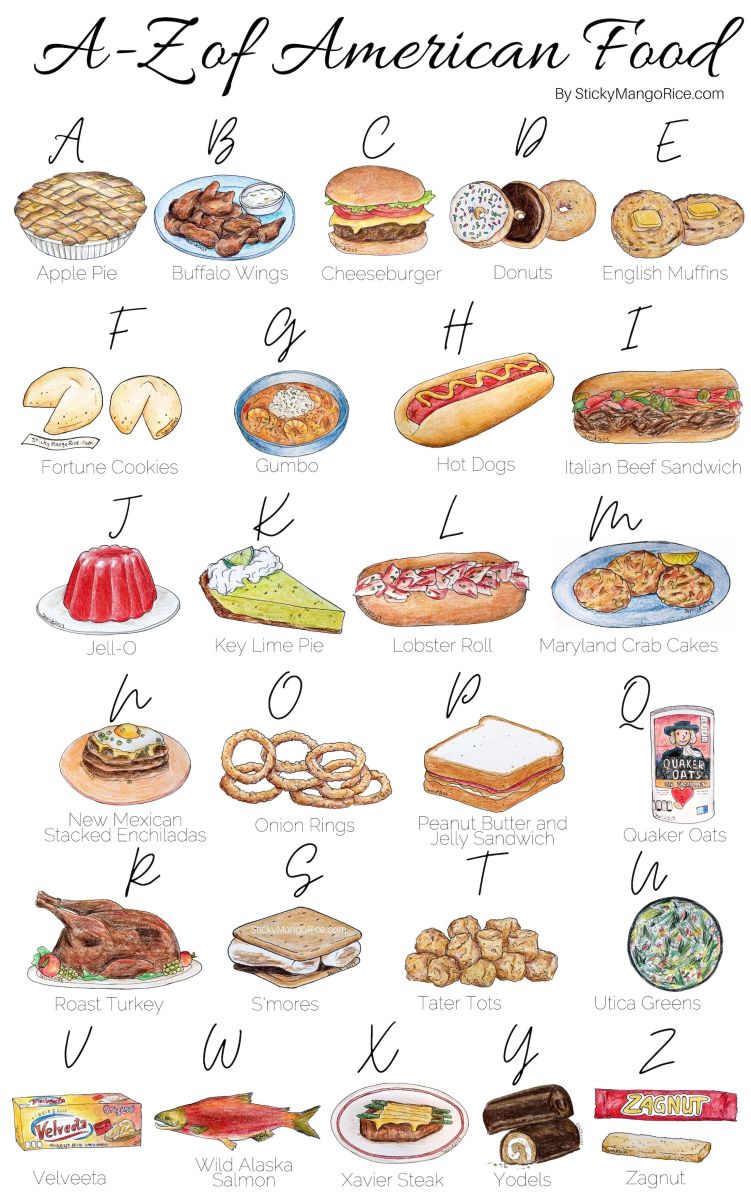
From Indigenous fields to modern fusion kitchens, dishes born in the United States tell a continuing story of adaptation, sharing, and reinvention. Burgers, mac and cheese, apple pie, and chili may have started small, yet they now belong to a global table. As new ingredients arrive and palates evolve, the nation’s culinary tale keeps adding chapters, inviting everyone to pull up a chair and take a bite.


