

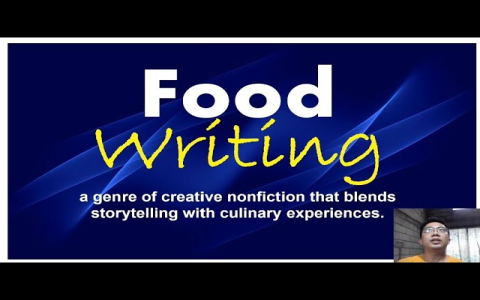
Genre Food: A Culinary Exploration of Storytelling Through Cuisine
Introduction
Food speaks a universal language that crosses borders and generations. Beyond nourishment, every dish carries the fingerprints of history, memory, and imagination. “Genre food” invites us to taste these stories by grouping recipes according to the narratives they evoke—adventure, romance, mystery, or celebration. This article journeys through the idea of genre food, highlighting how it enriches meals, safeguards tradition, and sparks creativity.
The Concept of Genre Food
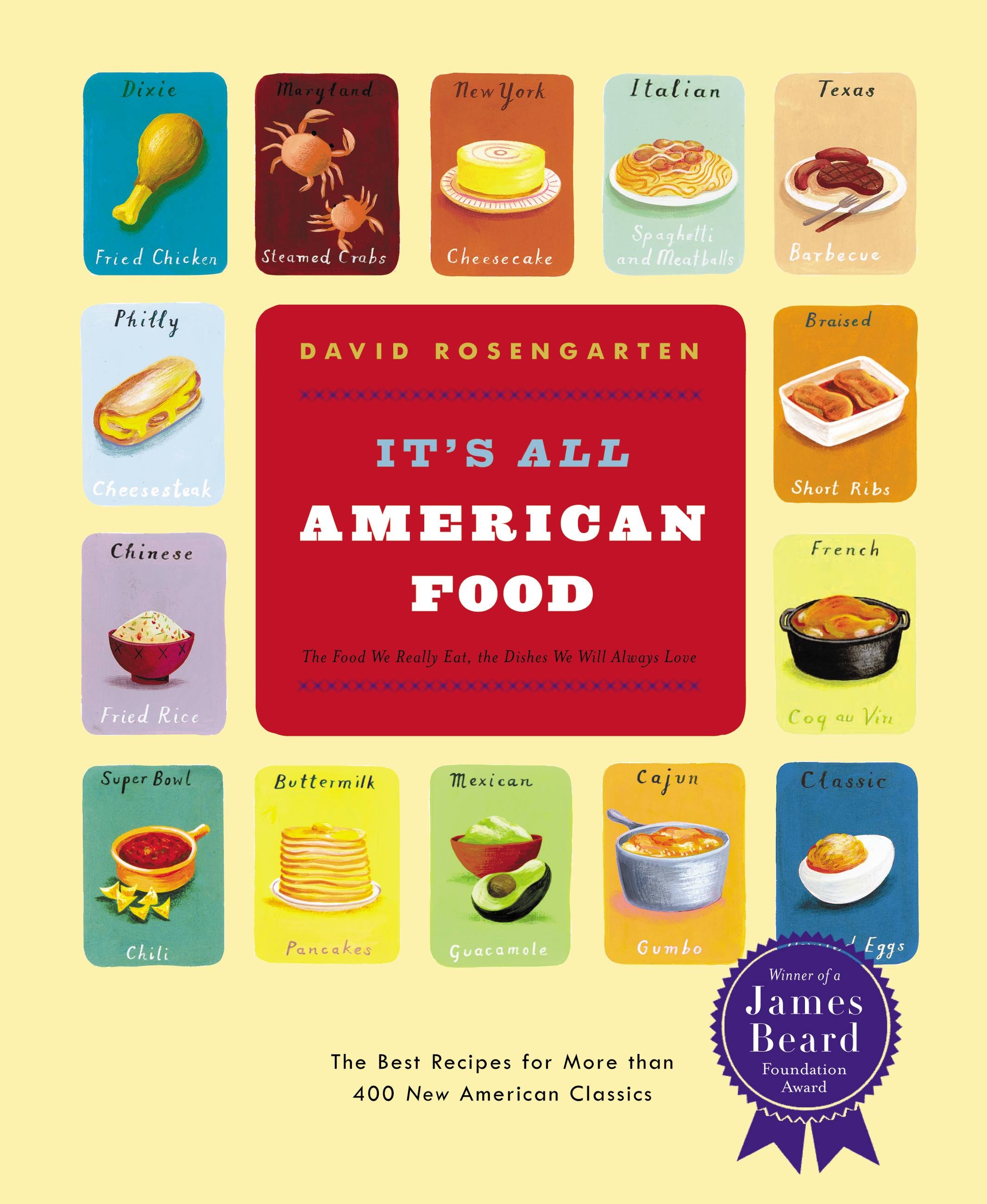
Genre food borrows the structure of literary categories and applies it to the plate. A single bite can summon the swagger of an action hero, the coziness of a cottage tale, or the wonder of a fantasy realm. Chefs achieve this by aligning flavors, colors, and presentations with familiar emotional cues: smoky heat for danger, pastel sweetness for innocence, or layered textures for intrigue. The result is a menu that reads like a bookshelf, each course a different chapter.
The Significance of Genre Food
Genre food matters on several levels:
1. Cultural Preservation

By reimagining ancestral recipes within recognizable story frames, cooks keep old techniques alive for new audiences. A rustic stew can be served as part of a “village hearth” set menu, quietly teaching diners about slow-simmered spices once vital to winter survival. The tale preserves the technique, and the technique preserves the tale.
2. Storytelling and Emotional Connection
Flavor becomes plot. A sudden citrus note may signal a twist; a gentle finish of lavender suggests resolution. Diners unconsciously follow this arc, bonding more deeply with both the food and the culture that inspired it.
3. Innovation and Creativity
Once stories enter the kitchen, rules relax. A traditional grain may be fermented into a sparkling sip, or a classic dessert may be deconstructed into savory bites. Genre conventions provide a safe playground for experimentation.
Impact on Culinary Experiences
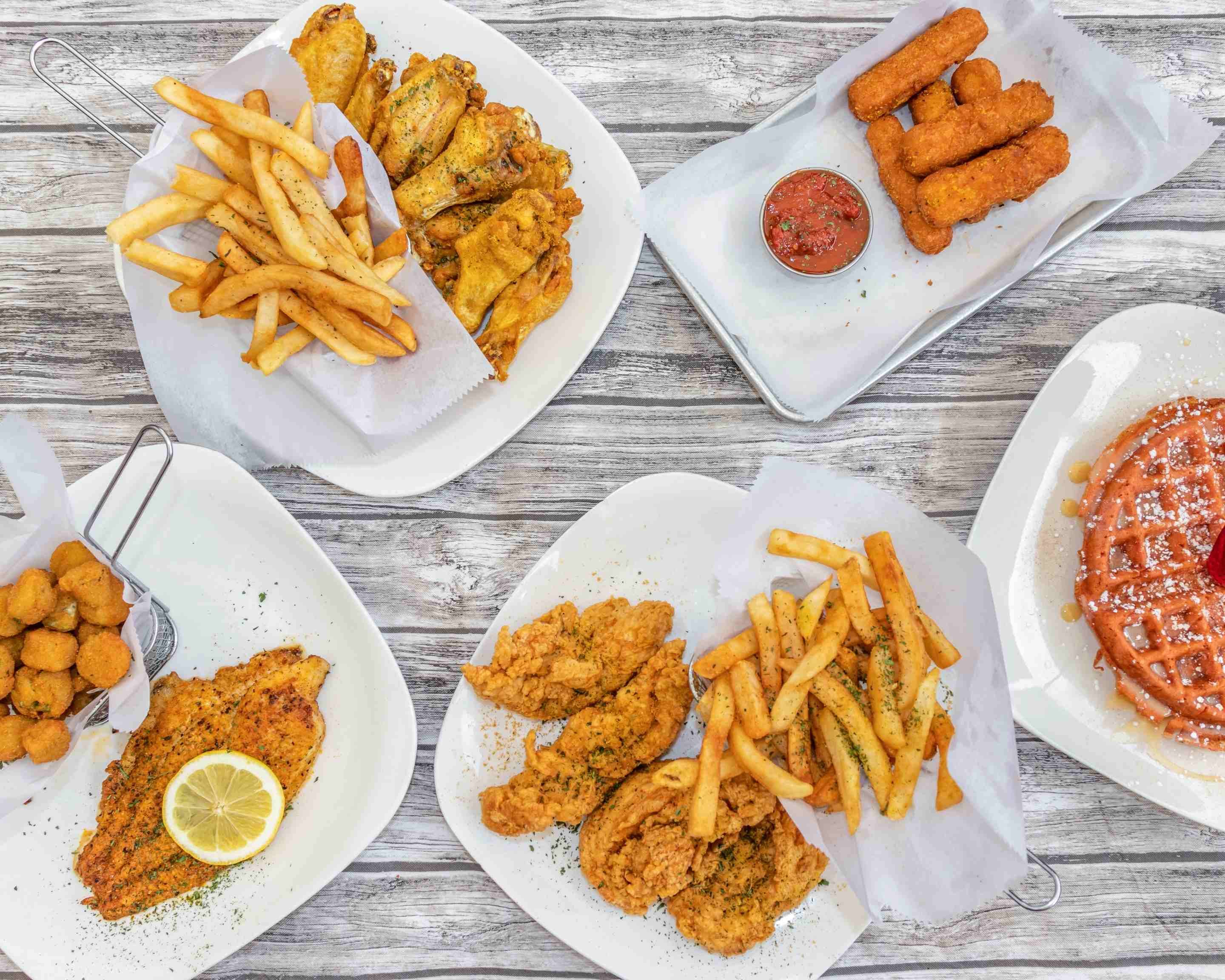
Genre food reshapes how we eat:
1. Enhanced Sensory Experience
Expectation primes the senses. When a dish promises mystery, dim lighting and aromatic fog amplify the taste of peppery cacao. The brain collaborates with the tongue, turning dinner into theatre.
2. Social Interaction
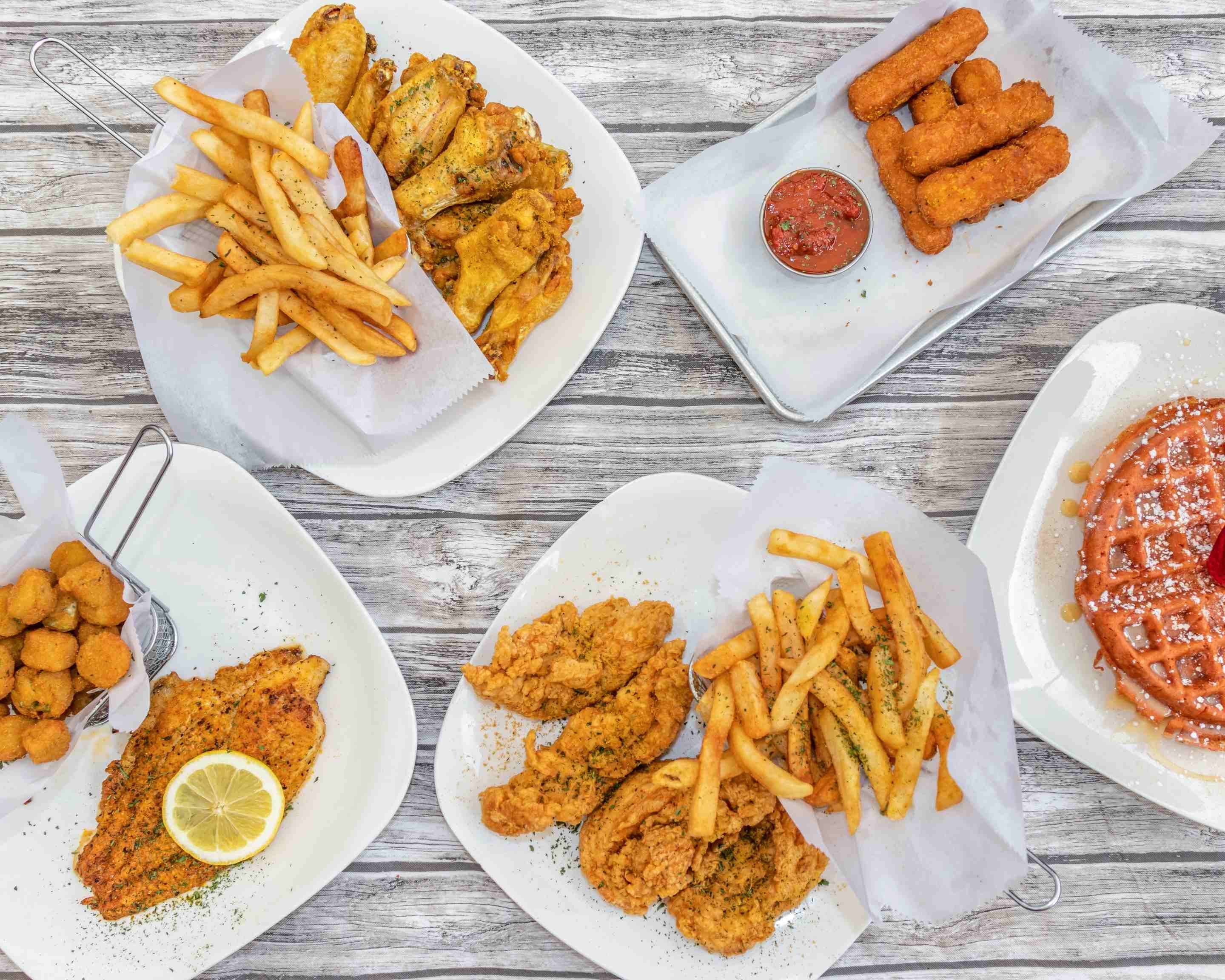
Shared narratives spark conversation. Strangers at a communal table easily slip into discussing the “clues” hidden in a sauce or the “hero’s journey” of a multi-course meal, forging quick camaraderie.
3. Educational Value
Each plate carries a lesson in geography, seasonality, or folklore. Guests leave knowing why coastal cuisines favor bright acidity or why nomadic cultures rely on dried herbs—knowledge absorbed almost by osmosis.
Preserving Cultural Heritage
Genre food safeguards identity:

1. Traditional Recipes and Techniques
Embedding grandmother’s marinade inside a “time-travel” tasting menu ensures the method is practiced, recorded, and valued, not archived and forgotten.
2. Cultural Identity
When communities see their stories served with respect on global tables, pride swells. The cuisine is no longer assimilated; it is translated, allowing heritage to converse with modernity without losing its accent.
Conclusion
Genre food marries narrative and nourishment, turning meals into memories and recipes into chronicles. As borders blur and palates expand, this approach offers a gentle way to honor the past while tasting the future. Every diner who recognizes the plot becomes a co-author, ensuring the story continues one bite at a time.
Recommendations and Future Research
To keep the momentum alive, several paths deserve attention:
1. Culinary Education: Introduce story-based modules where students design menus around folk tales, myths, or local legends, anchoring technique to tale.
2. Culinary Tourism: Curate travel routes that pair regional landmarks with corresponding genre meals, letting visitors literally eat their way through history.

3. Cross-Cultural Collaboration: Host pop-up dinners where chefs from contrasting backgrounds co-write a single narrative menu, blending ingredients and plotlines.
4. Research on Consumer Behavior: Study how themed dishes affect appetite, satisfaction, and recall, refining both nutrition and narration.
By continuing to explore genre food, we celebrate cuisine as an ever-unfolding story—one that invites everyone to pull up a chair and turn the page.


