

The Impact of Ultra-Processed Foods on Modern Diets and Health
Introduction
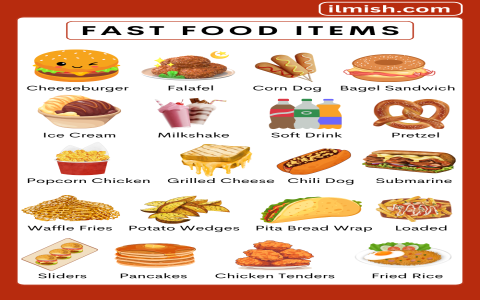
In recent years, the phrase “ultra-processed foods” has moved from academic journals into everyday conversation. These products—typically packaged snacks, ready-meals, and sugar-sweetened drinks—promise speed, flavor, and a long shelf life. As daily routines accelerate, many people now lean on these items for breakfast, lunch, and dinner. This article weighs the benefits and drawbacks of such convenience, focusing on what habitual consumption means for overall health.

The Rise of Ultra-Processed Foods
The Convenience Factor
Long workdays and lengthy commutes leave little time for chopping vegetables or simmering grains. Grab-and-go wraps, frozen pizzas, and resealable cookies fill the gap, turning “cooking” into a two-minute stop at the microwave. Yet the minutes saved may later be paid for in other ways.
Nutritional Concerns
Many of these foods deliver calories in concentrated form while offering modest amounts of fiber, vitamins, or minerals. Repeated meals built around such items can tip the balance toward added sugars, refined starches, and sodium, raising concerns about weight gain and related conditions.
Research teams in several countries have observed that diets dominated by ultra-processed products often coincide with higher rates of excess weight and metabolic upset, even after accounting for total calories.
The Role of Marketing
Colorful packaging, cartoon mascots, and social-media influencers present these products as fun, modern, and even essential. Health nuances are usually relegated to the fine print, making it easy for shoppers—especially younger ones—to miss the bigger nutritional picture.

Consumer-protection agencies have repeatedly noted that promotional campaigns can steer preferences toward energy-dense choices, particularly when aimed at children and teens.
The Health Impact of Ultra-Processed Foods
Obesity and Weight Gain
Because many items combine refined carbs with fat and salt, they can be easy to overeat before the body registers fullness. Day-after-day surpluses add up on the scale, and waistlines gradually expand.
Long-term observational studies link higher intakes of these foods with gradual weight creep, independent of physical-activity levels.
Chronic Diseases
Frequent consumption has also been tied to elevated markers for heart, blood-sugar, and blood-pressure problems. Additives and high-heat processing may promote low-grade inflammation, another suspected pathway linking diet to disease.
Pooled analyses of multiple cohorts suggest that every additional daily serving of ultra-processed fare nudges cardiovascular risk upward, reinforcing calls for moderation.
The Role of Education and Policy
The Importance of Education
Teaching shoppers how to read labels, compare products, and assemble quick balanced meals can shift demand toward healthier baskets. Schools, clinics, and workplace wellness programs all serve as natural classrooms.
Trials show that short interactive sessions—whether in person or online—can improve the quality of purchases weeks later, highlighting education’s practical value.
The Need for Policy Changes
Governments can amplify these gains by setting clearer package warnings, restricting child-focused ads, and offering tax incentives for whole-food offerings. Coordinated action across health, agriculture, and trade ministries multiplies impact.
Global health bodies recommend that national strategies place reduction of ultra-processed food at the core of obesity-prevention plans, alongside promotion of fruits, vegetables, and minimally processed staples.
Conclusion
Ultra-processed items deliver unmatched convenience, yet their nutritional profile poses real challenges for public health. A balanced response couples personal awareness with societal support: informed consumers on one side, thoughtful policy on the other. Together, these forces can tilt the food environment toward choices that sustain, rather than strain, long-term well-being.
Recommendations and Future Research
To keep momentum, stakeholders can prioritize the following steps:

1. Expand community cooking classes and school-based modules that highlight swift, affordable whole-food recipes.
2. Adopt advertising codes that limit the glamorization of high-salt, high-sugar snacks to audiences under 18.
3. Encourage manufacturers to reformulate flagship products, gradually lowering sodium, added sugar, and refined flour.
4. Fund longitudinal studies that track health outcomes as populations shift toward or away from ultra-processed diets.
Future investigations could explore:

1. The biological mechanisms by which certain additives affect appetite and metabolism.
2. Which policy mixes—taxes, labels, or subsidies—deliver the greatest, most equitable gains.
3. How emerging food technologies (e.g., slow-release starches or plant-based fats) can replicate convenience without compromising nutrition.


