

The Art and Science of Roasted Foods: Exploring Flavors and Nutritional Benefits
Introduction
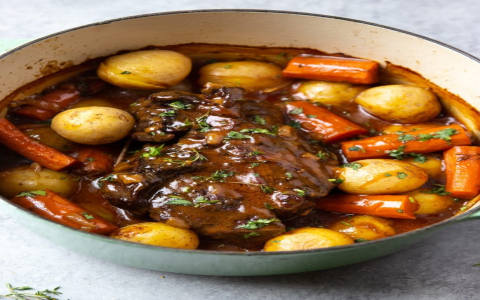
Roasting has long been cherished across kitchens everywhere for the deep flavors and inviting aromas it creates. By surrounding ingredients with steady, dry heat, the technique coaxes out caramel sweetness, savory depth, and a pleasing contrast between crisp exterior and tender interior. This overview looks at why roasting remains so popular, how it affects nutrition, and the ways cultures have embraced it to turn everyday ingredients into memorable meals.
The Science of Roasting
The Maillard Reaction
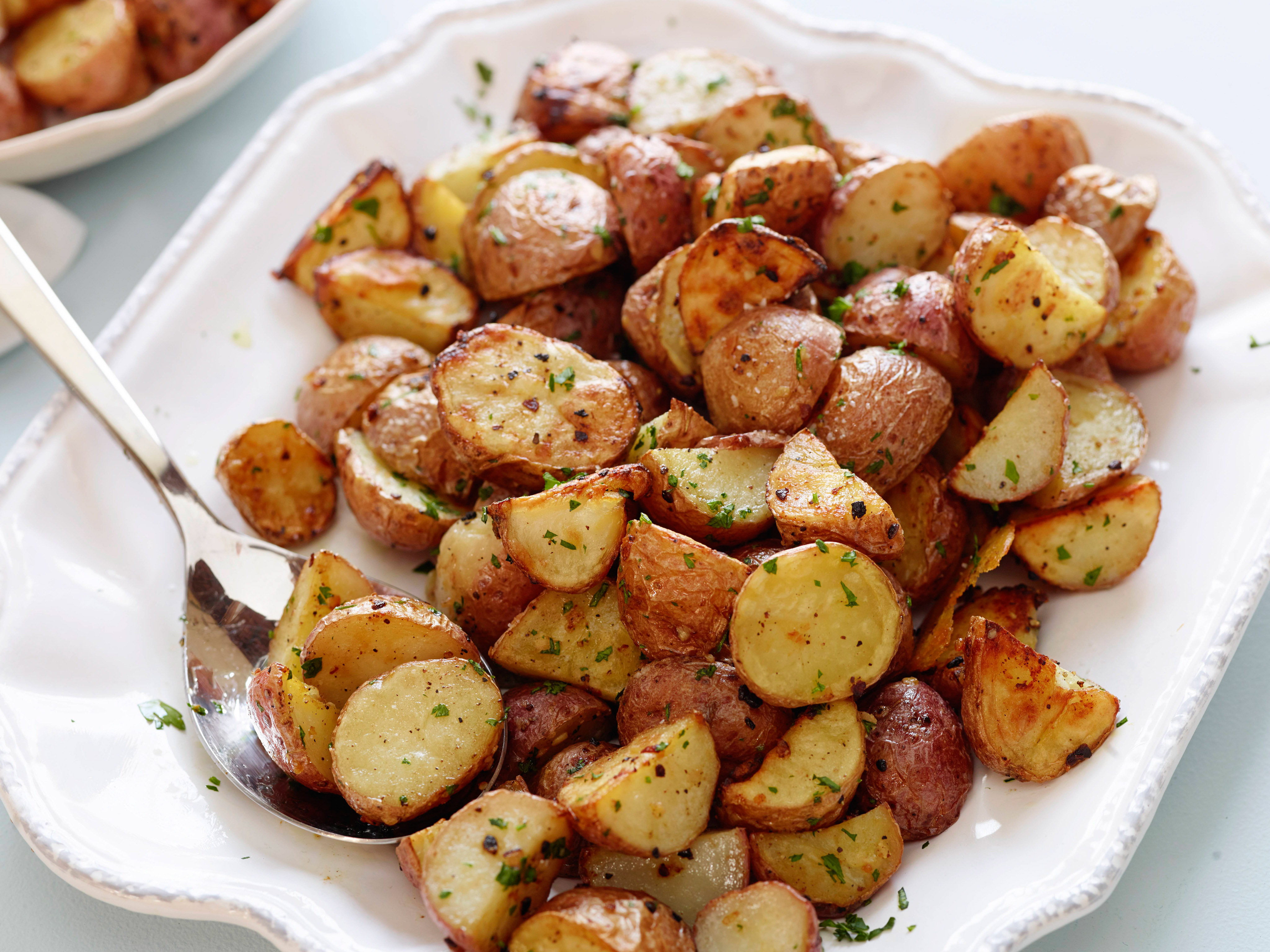
When food surface temperatures climb above roughly 300 °F (150 °C), amino acids and natural sugars interact in the Maillard reaction. This cascade of chemical changes paints roasted items their characteristic golden-brown color while releasing nutty, toasted, and even slightly floral aromas. The same process deepens the savoriness of meats, root vegetables, and grains, giving each a distinctive, crave-worthy crust.
Textural Changes
Intense, dry heat drives moisture from the outer layers of food, allowing proteins to firm up and sugars to caramelize. The result is a crunchy shell that seals in juiciness, creating the satisfying contrast that makes roasted dishes so appealing. These textural shifts also concentrate flavors, so a simple sprinkle of salt or herbs is often all that is needed.
Nutritional Benefits of Roasted Foods
Preservation of Nutrients
Because roasting uses no added water, fewer water-soluble vitamins leach away compared with boiling or poaching. Shorter roasting times and moderate temperatures further protect heat-sensitive nutrients, letting color and flavor speak for the food’s inherent goodness.
Antioxidant Content
In some produce, gentle roasting actually boosts beneficial compounds. Tomatoes, for instance, can gain more readily absorbed antioxidants as their cell walls break down, while tree nuts develop heightened levels of heart-friendly flavonoids once lightly toasted, offering extra protection alongside their healthy fats.
Cultural Significance of Roasted Foods
Global Culinary Traditions
From Mediterranean herb-scented vegetables to spice-rubbed meats across the Middle East and South Asia, roasting is woven into countless regional identities. The shared aroma of something slowly browning in an oven or over coals signals comfort and celebration in many households, transcending language and borders.
Celebratory Meals
Holiday tables worldwide often center on an impressive roast—be it poultry, lamb, or a platter of seasonal squash. The anticipation built while food roasts, the communal carving, and the generous leftovers all foster togetherness, making the technique as much about hospitality as it is about flavor.
Roasted Foods in Modern Cooking

Healthier Cooking Options
With minimal need for added fat, roasting aligns well with contemporary efforts to eat lighter. Vegetables become candy-sweet, fish stays moist under a quick blast of heat, and lean meats develop a rich crust without breading or deep-frying, proving that healthful eating need not sacrifice taste.
Innovation and Experimentation
Today’s chefs push roasting beyond its classic realm, applying it to fruits, cheeses, and even desserts to unlock smoky nuances. Such experimentation keeps the method fresh, inspiring home cooks to try new pairings and reminding everyone that the simplest techniques often leave the most room for creativity.
Conclusion
Roasting bridges science and tradition, transforming raw ingredients through heat into dishes that nourish body and spirit alike. Its ability to preserve nutrients, intensify flavors, and adapt to endless cultural expressions ensures it will remain a cornerstone of cooking. Continued exploration of time, temperature, and ingredient combinations promises even more ways to enjoy the timeless appeal of a perfectly roasted meal.


