

The Art and Science of Spelt Sourdough: A Comprehensive Recipe Guide
Introduction
Sourdough bread has long been revered for its unique flavor and health benefits. Among the various types of sourdough, spelt sourdough stands out for its nutty taste and lighter texture. This article delves into the intricacies of creating a perfect spelt sourdough recipe, exploring the science behind it, and providing a detailed guide to help bakers achieve their desired outcome.
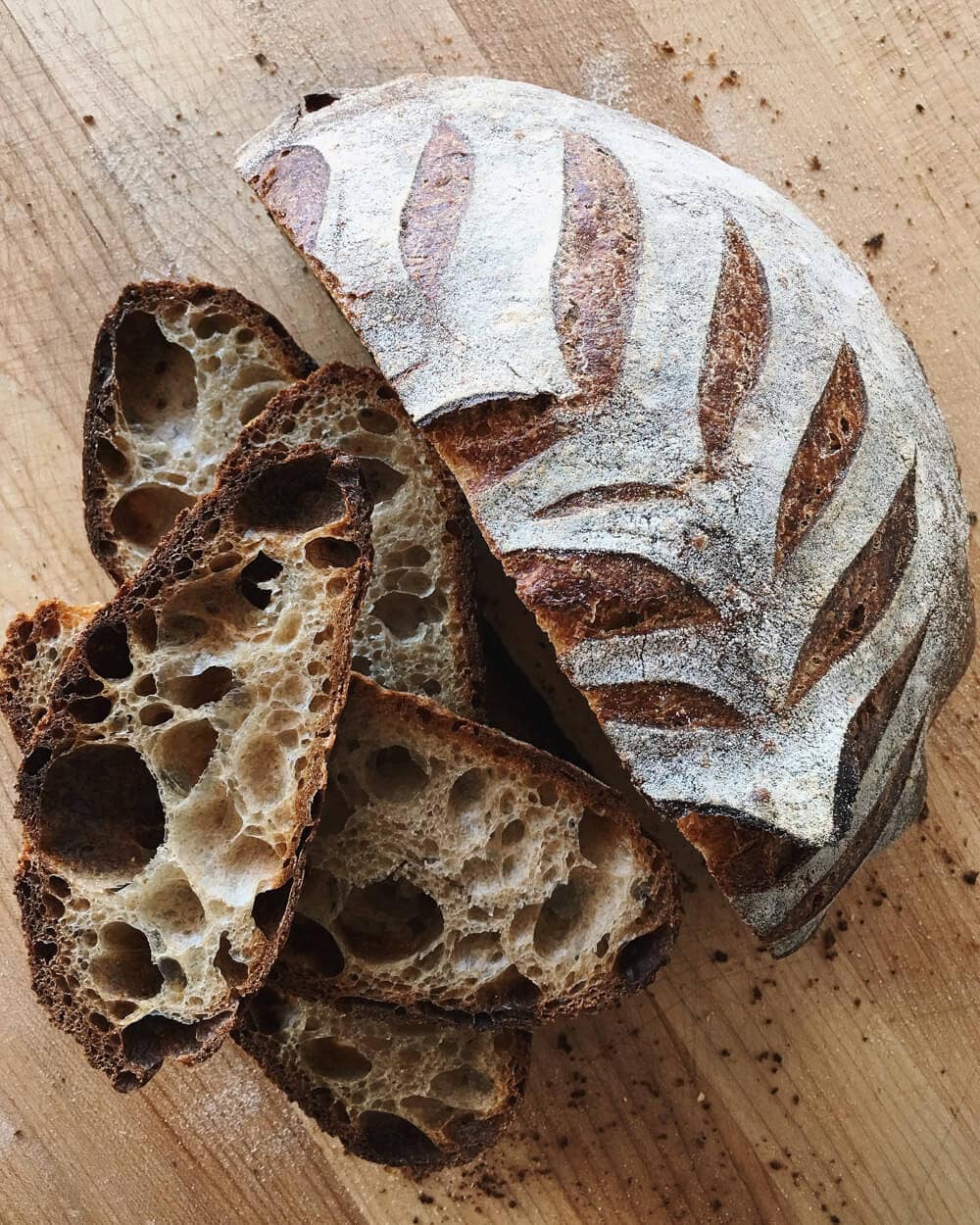
The Unique Qualities of Spelt Flour
Understanding Spelt Flour
Spelt flour, derived from the ancient wheat grain Triticum spelta, differs from modern wheat in several ways. It has a lower gluten content, which makes it easier to digest for many people. Additionally, spelt flour has a higher protein content and a nuttier flavor profile compared to modern wheat flour.
These unique qualities make spelt sourdough an appealing choice for those looking to enjoy the benefits of sourdough bread without the gluten-related discomforts often associated with traditional wheat-based breads.
The Science of Sourdough
The Role of Yeast and Lactic Acid Bacteria
The magic of sourdough lies in the fermentation process, which involves the action of yeast and lactic acid bacteria. Yeast consumes the sugars in the dough, producing carbon dioxide and alcohol, which cause the dough to rise. Lactic acid bacteria, on the other hand, ferment the sugars, producing lactic acid, which gives sourdough its characteristic tangy flavor and helps to preserve the bread.
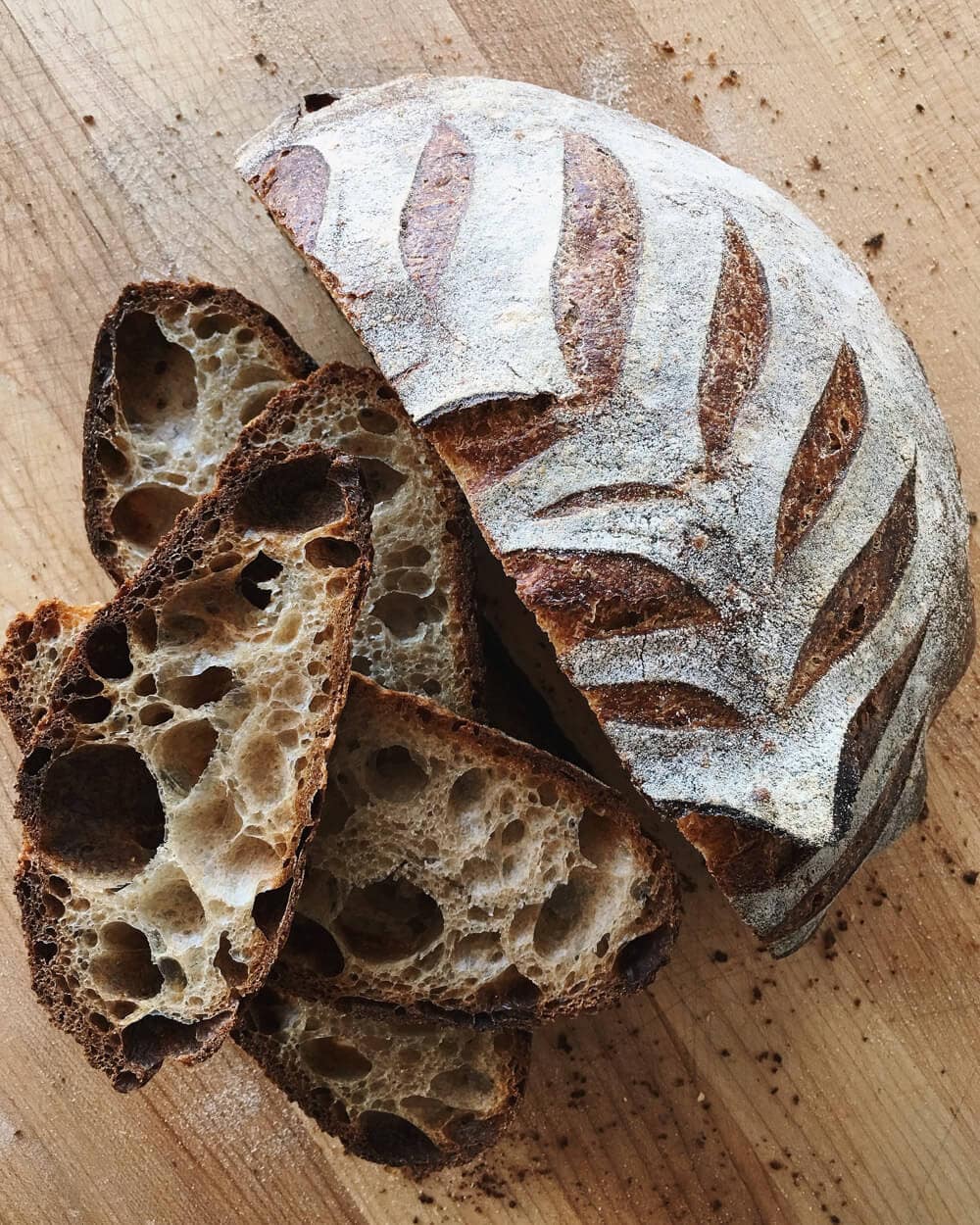
In a spelt sourdough recipe, the lower gluten content of spelt flour means that the yeast may not be as active as it is in traditional wheat sourdough. This requires careful attention to the fermentation process to ensure proper rise and flavor development.
The Spelt Sourdough Recipe
Ingredients
To make a spelt sourdough, you will need the following ingredients:
– 500g spelt flour
– 250g mature sourdough starter (100% hydration)
– 300ml water at room temperature
– 10g salt
Instructions
1. In a large mixing bowl, combine the spelt flour and sourdough starter.
2. Gradually add the water, mixing until a shaggy dough forms.
3. Knead the dough for about 10 minutes until it becomes smooth and elastic. If the dough is too wet, add a little more flour; if it’s too dry, add a little more water.
4. Cover the bowl with a damp cloth or plastic wrap and let the dough rest for 1 hour at room temperature.
5. After the initial rise, punch down the dough and divide it into two equal portions.
6. Shape each portion into a ball and place them on a floured surface. Cover with a damp cloth and let them rest for another 30 minutes.
7. Preheat your oven to 230°C (450°F) and place a baking stone or cast iron skillet inside.
8. Once the dough has rested, shape it into a boule or batard and place it on a floured baking sheet.
9. Score the top of the dough with a sharp knife or razor blade.
10. Place the baking sheet in the oven and pour 1 cup of boiling water into the bottom of the oven to create steam.
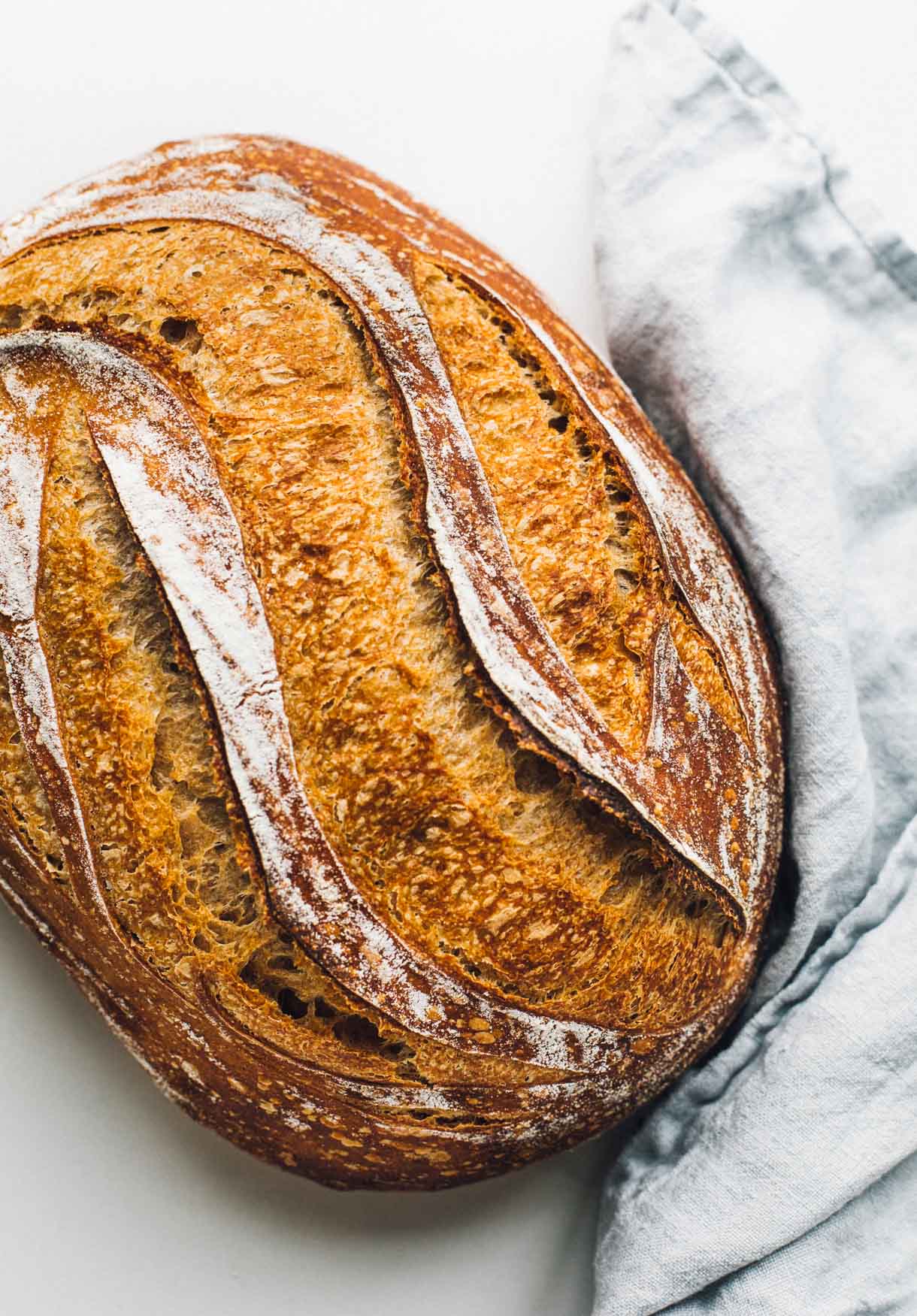
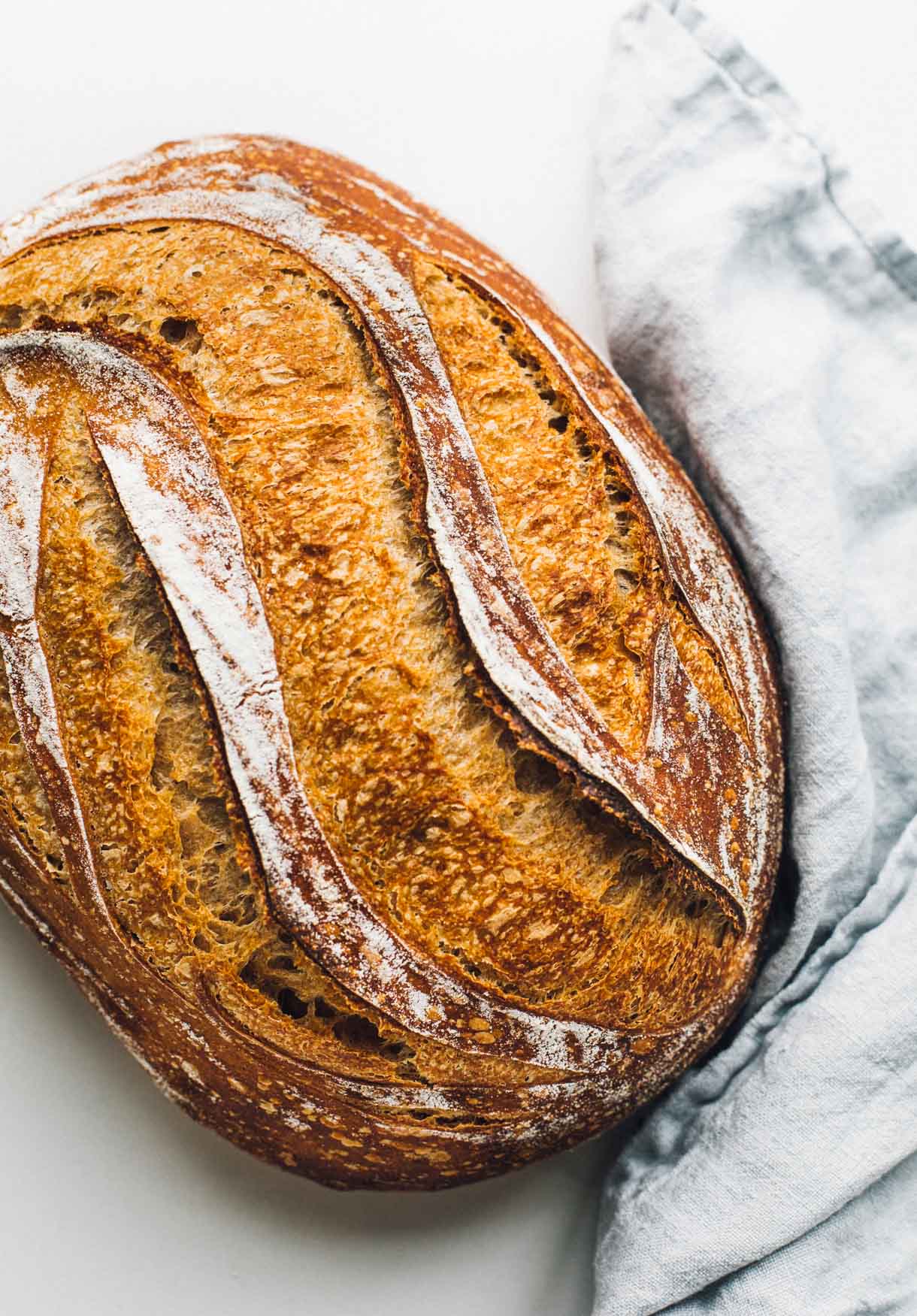
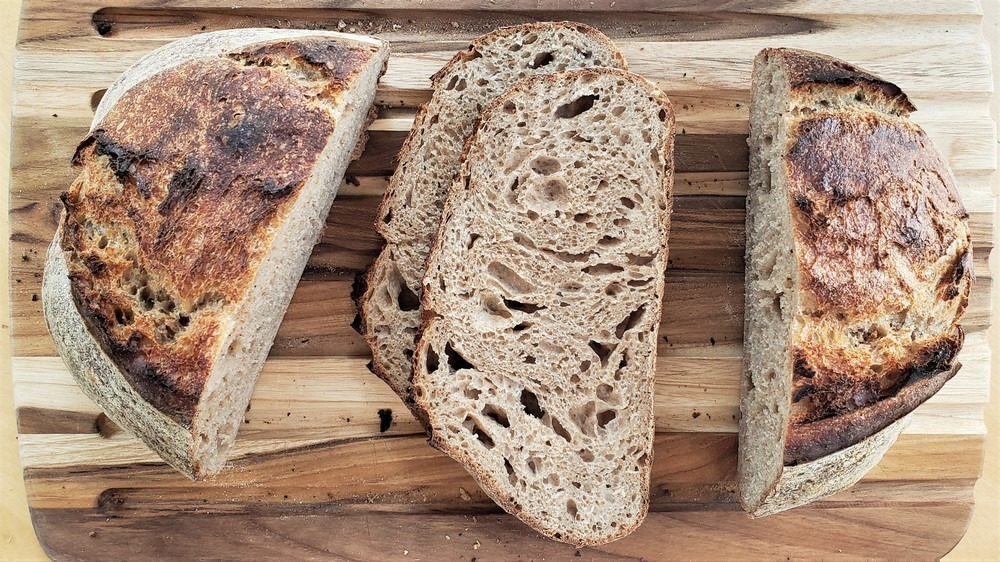
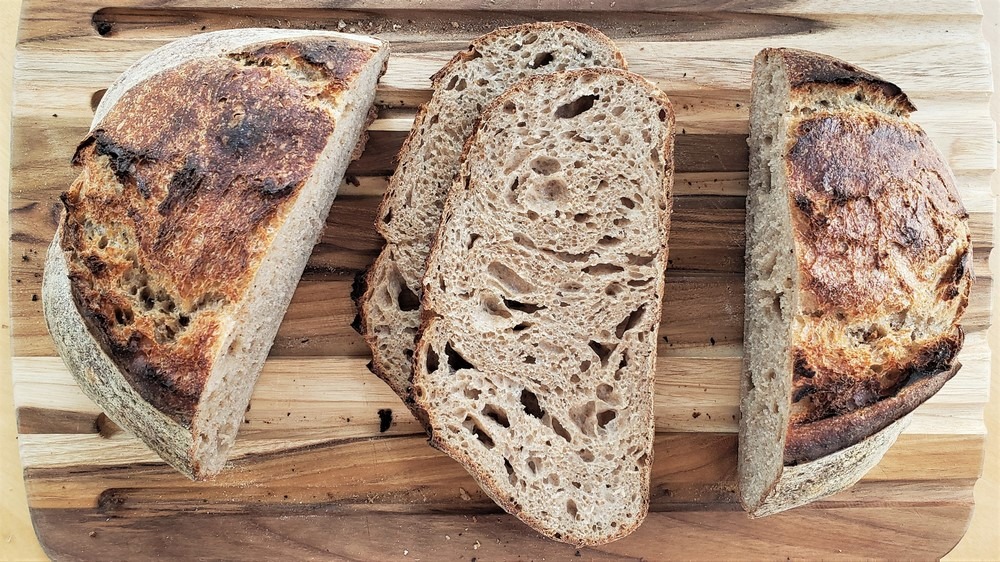
11. Bake for 30-40 minutes, or until the crust is golden brown and the bread sounds hollow when tapped on the bottom.
Health Benefits of Spelt Sourdough
Health and Nutritional Advantages
Spelt sourdough offers several health benefits compared to traditional wheat bread. The lower gluten content makes it easier to digest for many people with gluten sensitivities. Additionally, the fermentation process breaks down complex carbohydrates, making them more easily digestible.
The presence of lactic acid bacteria in sourdough can also aid in digestion and improve gut health. These beneficial bacteria can help to maintain a healthy balance of gut flora and may even have anti-inflammatory properties.
Conclusion
Creating a perfect spelt sourdough recipe requires attention to detail and an understanding of the science behind sourdough fermentation. By following the steps outlined in this guide, bakers can enjoy the unique flavor and health benefits of spelt sourdough bread. Whether you’re a seasoned baker or a beginner, the process of making spelt sourdough is a rewarding and satisfying experience.
Future Research and Recommendations
Future Research
Further research could explore the effects of different fermentation times and temperatures on the flavor and texture of spelt sourdough. Additionally, studies could investigate the impact of incorporating other grains or flours into spelt sourdough recipes to enhance nutritional value and flavor profiles.
Recommendations
For those interested in trying their hand at spelt sourdough, we recommend starting with a basic recipe and experimenting with different variations as you become more comfortable with the process. Don’t be afraid to adjust the hydration levels or try different shaping techniques to find what works best for you.
In conclusion, spelt sourdough is a delightful and healthful addition to any baker’s repertoire. With the right recipe and a bit of practice, anyone can enjoy the art and science of creating this delicious bread.

